
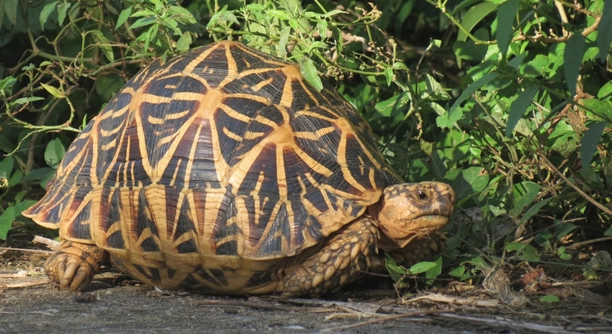
Turtles are fascinating pets that require proper care and attention. One key aspect of their health is maintaining a healthy weight. If you’re concerned that your turtle might be underweight, there are signs to look for.
The most reliable way to determine if your turtle is underweight is by observing its body condition. A healthy turtle should have a full, rounded shell and visible muscle tone. If these are lacking, weight loss may be the cause.
Understanding these signs will help ensure your turtle stays healthy and happy. Keep reading to learn more about how to monitor your pet’s weight and address any issues that may arise.
Signs Your Turtle Is Underweight
When a turtle is underweight, it can be harder to notice unless you know what to look for. One of the first signs is if your turtle’s shell appears sunken or too thin. Healthy turtles typically have a rounded, full shell, but underweight turtles may show visible gaps or flatness in their shell. If your turtle’s muscles appear weak or you can feel its bones, this could indicate a lack of body fat or improper nutrition. It’s also important to check for sluggish behavior, as underweight turtles might move less actively.
Pay attention to the overall activity levels of your turtle. If it is not eating or swimming as much as it normally would, this could be a signal of underweight conditions. Keep track of its behavior and compare it to when your turtle is at its healthiest.
A proper diet is essential in helping your turtle gain weight. Providing a varied and balanced diet, including the right types of protein, greens, and vitamins, ensures that your turtle gets the nutrients it needs to thrive.
The Role of Diet in Turtle Health
A poor diet can quickly lead to weight loss in turtles. If your turtle isn’t getting the right foods, it might not have enough energy to maintain a healthy weight. Feeding your turtle high-quality foods, such as leafy greens, fruits, and protein, can help support proper growth and maintain its weight. Avoid giving too much processed or high-fat food, as this can lead to other health issues, such as obesity.
In addition to offering a healthy diet, ensure that your turtle is eating enough. If you notice that your turtle isn’t consuming its meals regularly, consider offering smaller, more frequent feedings throughout the day. This can encourage it to eat more consistently. When it comes to feeding turtles, consistency is key. Keep their diet balanced, and always monitor how much they’re eating to ensure they stay healthy and active.
Monitor Your Turtle’s Weight Regularly
Regularly checking your turtle’s weight is crucial for tracking its health. You should weigh your turtle every few weeks to monitor any changes. This can help you spot any weight loss early on. If your turtle is steadily losing weight, it’s important to take action quickly.
Weighing your turtle is simple. Use a small, digital scale that can measure in grams. Place your turtle on the scale and record the weight. Compare it to previous measurements to assess any noticeable changes. Keep a log of its weight over time to track trends and detect any significant weight loss. Regular weight checks are essential for early intervention if your turtle is underweight.
If you notice consistent weight loss despite a healthy diet and proper care, it could signal an underlying issue, such as a medical condition. In such cases, it’s best to consult with a veterinarian experienced in reptile care. The sooner you address the problem, the better the chances of recovery.
Adjust the Environment for Better Health
Sometimes an underweight turtle can be a result of an inadequate environment. Turtles need a warm, clean habitat with proper lighting to stay active and healthy. A tank that’s too cold or lacks proper UVB lighting may contribute to sluggishness and weight loss.
Create a temperature gradient in the tank to allow your turtle to regulate its body temperature. A basking spot should be around 85-90°F, while the cooler side of the tank can be 70-75°F. Ensure your turtle has access to both a basking area and an area to cool down. Also, UVB light is crucial for calcium metabolism. Without it, your turtle’s shell and bones can become weak, leading to weight loss. Keep the tank clean and free from waste to prevent potential infections or stress that may affect your turtle’s appetite and health.
By making sure your turtle’s environment is properly maintained, you will create a healthier setting where your turtle can thrive, maintain a healthy weight, and avoid unnecessary health issues. Adjusting the temperature and lighting can go a long way in supporting your turtle’s overall well-being.
Watch for Behavioral Changes
Changes in behavior can be a sign that your turtle is underweight. If your turtle becomes more lethargic, it might be due to a lack of energy from insufficient food intake. Watch closely for any decrease in its usual activity level.
If your turtle is moving less or hiding more, this could indicate that it’s not eating enough. Underweight turtles often become less active as their energy reserves decrease. Monitor the amount of time your turtle spends basking, swimming, or exploring its habitat. If these behaviors decrease, it may signal a need for dietary adjustments.
Sometimes stress or environmental factors can also affect your turtle’s activity levels. Ensure that its living conditions are ideal and check for any signs of illness that could be affecting its energy.
Ensure Proper Hydration
Hydration is just as important as food when it comes to keeping your turtle healthy. An underweight turtle may not be drinking enough water, which can affect its overall health. Ensure fresh water is always available.
Turtles may also become dehydrated if their habitat isn’t properly maintained. Water that’s too cold or dirty can discourage drinking. Make sure the water is at the correct temperature, between 72-78°F, and clean it regularly. You can also try providing water dishes that are easy for your turtle to access, ensuring it can drink as needed. Proper hydration helps with digestion, nutrient absorption, and maintaining energy levels. Keep your turtle hydrated to support its health and weight gain.
Supplement Diet if Needed
If your turtle’s regular diet isn’t providing enough nutrients, consider adding supplements. Calcium and vitamin D3 are essential for healthy bone and shell development. These can help your turtle maintain its health and prevent further weight loss.
A calcium supplement can be sprinkled over food, while a multivitamin can support overall health. These supplements are especially important if your turtle isn’t getting enough natural sunlight or if its diet lacks variety. When adding supplements, be cautious not to overdo it. Stick to the recommended dosage to avoid excess, which could cause harm.
FAQ
How can I tell if my turtle is underweight?
To determine if your turtle is underweight, look for visible signs such as a sunken shell or visible bones. A healthy turtle should have a rounded, full shell, and its muscles should be firm. If the shell appears flat or you can feel the bones, this might indicate weight loss. Additionally, sluggish behavior, such as decreased swimming or basking, could be a sign of an underweight turtle. Weighing your turtle regularly will also help you track any changes in its weight over time.
What should I feed my underweight turtle?
An underweight turtle needs a diet rich in protein, vegetables, and calcium. Offer a variety of foods, such as leafy greens (like kale or collard greens), aquatic plants, and animal protein (such as mealworms or shrimp). Additionally, ensure that your turtle is getting enough calcium, which is vital for shell and bone health. You can add calcium powder to their food to supplement their diet. Offering food multiple times a day, in smaller amounts, may also encourage your turtle to eat more regularly and maintain a healthy weight.
How often should I feed my turtle?
The frequency of feeding depends on the age and species of your turtle. Hatchlings and young turtles need to be fed more frequently, typically once or twice a day. Adult turtles, however, can be fed every other day or a few times a week. If your turtle is underweight, feed it smaller meals more frequently to help boost its weight. Monitor your turtle’s appetite and adjust feeding times accordingly. Offering a variety of foods and maintaining consistency will encourage healthy eating habits.
Can my turtle lose weight if it’s stressed?
Yes, stress can cause weight loss in turtles. Stress may result from poor water quality, inadequate lighting, temperature imbalances, or the presence of other animals. A stressed turtle may stop eating, which leads to weight loss over time. To prevent stress, ensure that your turtle’s habitat is clean, properly heated, and has appropriate lighting. Reducing handling and providing a peaceful, secure environment can help reduce stress levels. If your turtle continues to lose weight despite addressing environmental factors, consider a visit to the vet.
What environmental factors affect my turtle’s weight?
Environmental factors, such as water temperature, lighting, and tank cleanliness, can impact your turtle’s health and weight. Turtles need a temperature gradient in their habitat, with a basking area between 85-90°F and a cooler side around 70-75°F. Inadequate UVB lighting can lead to calcium deficiency, which affects bone health and may contribute to weight loss. Poor water quality or dirty tanks can also cause stress, making your turtle less likely to eat. Ensuring proper care and maintenance of the environment can help your turtle stay healthy and maintain a healthy weight.
Can I use supplements to help my turtle gain weight?
Yes, supplements can aid in a turtle’s overall health and weight gain. Calcium and multivitamin supplements are particularly important for underweight turtles. Calcium helps with bone and shell health, while vitamins ensure overall well-being. You can find turtle-specific supplements that provide the necessary nutrients. However, it’s important to follow the recommended dosage to avoid over-supplementing, which can be harmful. Supplements should not replace a balanced diet, but rather be used to fill in nutritional gaps.
What if my turtle refuses to eat?
If your turtle refuses to eat, it could be a sign of stress, illness, or an inadequate environment. Check your turtle’s habitat to ensure the water temperature, lighting, and cleanliness are optimal. A lack of appetite may also be due to the season, as some species of turtles naturally reduce food intake during colder months. If your turtle refuses to eat for an extended period, or if it shows other signs of illness (such as lethargy or swelling), consult with a veterinarian to rule out health issues.
How do I properly weigh my turtle?
Weighing your turtle is simple and can help you monitor its health. Use a small digital scale that measures in grams. Place your turtle on the scale gently, ensuring it’s safe and secure during the process. Record the weight, and compare it to previous measurements to check for any changes. Regularly weighing your turtle every couple of weeks will give you a better understanding of its weight trends and alert you to any significant losses. This practice can help identify any health problems early, including weight loss.
Can an underweight turtle recover?
Yes, an underweight turtle can recover with the right care. Providing a nutritious diet, ensuring proper hydration, and maintaining a clean, well-regulated environment are key steps in helping your turtle gain weight. If your turtle continues to lose weight despite these efforts, it may have an underlying health issue that requires veterinary attention. With early intervention and consistent care, most underweight turtles can recover and regain a healthy weight over time.
What signs should I look for if my turtle is overweight?
An overweight turtle may appear unusually round, with a shell that looks swollen or misshapen. If your turtle’s belly is noticeably rounded or the shell becomes bloated, it could be a sign of excessive weight. Overweight turtles are also at higher risk for health problems like shell deformities and metabolic disorders. To prevent weight gain, maintain a balanced diet and avoid overfeeding. Ensure your turtle gets plenty of exercise by offering swimming opportunities and space to move around.
Is it normal for turtles to lose weight in the winter?
Some species of turtles naturally lose weight in winter, especially if they go into hibernation or brumation. During this period, their metabolism slows down, and they may eat less. If your turtle is not actively hibernating but still losing weight, it may indicate an underlying health issue. It’s essential to monitor your turtle’s weight and ensure it’s not losing too much weight during this period. If weight loss seems excessive or continues after brumation, seek veterinary advice.
Final Thoughts
When it comes to maintaining the health of your turtle, weight plays a crucial role. An underweight turtle can face a variety of health issues, ranging from a weakened immune system to difficulty swimming or basking. To ensure your turtle thrives, it’s important to keep a close eye on its diet, habitat, and overall behavior. Regularly weighing your turtle, providing a balanced and nutritious diet, and maintaining optimal environmental conditions are key steps in preventing weight-related problems. Proper care will help your turtle remain healthy and active throughout its life.
If your turtle appears underweight or shows signs of lethargy, it’s essential to take immediate action. Adjusting its diet by offering more protein-rich foods and ensuring that it receives the proper amount of calcium is vital for its recovery. Additionally, improving the turtle’s living conditions, such as ensuring a clean tank, proper lighting, and the right temperature, will help reduce stress and encourage eating. In some cases, weight loss can be a sign of a more serious health issue. If you notice consistent weight loss or changes in your turtle’s behavior, it’s always a good idea to consult with a veterinarian.
Overall, taking a proactive approach to your turtle’s health is the best way to ensure its well-being. By being mindful of its nutritional needs, providing a stress-free environment, and monitoring its weight, you can help your turtle stay healthy and happy. Regular check-ups and early intervention are essential in preventing any long-term health problems. With proper care, your turtle will not only maintain a healthy weight but also enjoy a long, fulfilling life in its habitat.

Hello,
If you enjoy the content that we create, please consider saying a "Thank You!" by leaving a tip.
Every little bit helps us continue crafting quality advice that supports the health, happiness, and well-being of pets around the world, for pets of all shapes, sizes, and species.
We really appreciate the kindness and support that you show us!