
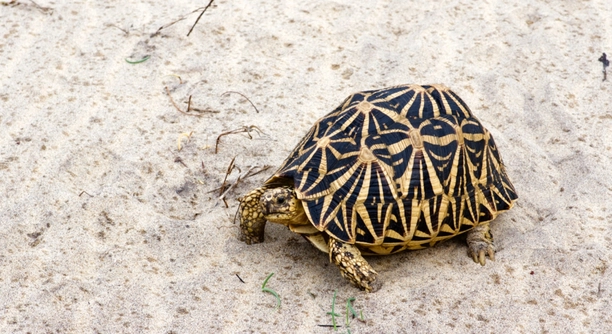
If you’ve noticed your turtle’s mouth turning white, you may be concerned about what’s happening with your pet. This issue can be unsettling for turtle owners, as it can signal different health problems that need attention.
The white discoloration in your turtle’s mouth is often caused by a fungal infection or other health issues like vitamin deficiencies, poor water quality, or stress. It’s essential to monitor your turtle and seek veterinary advice for accurate diagnosis and treatment.
Taking action early can help your turtle recover and prevent further complications. Ensuring proper care and a suitable environment is key to your pet’s well-being.
Causes of White Mouth in Turtles
A white mouth in turtles can stem from a variety of causes. One common reason is a fungal infection that affects the soft tissues of the mouth and throat. This often appears as a whitish coating or lesions inside the mouth. Poor water quality, especially in tanks that are not properly filtered, can also contribute to fungal growth. Turtles living in unsanitary conditions are more susceptible to infections due to the accumulation of waste and bacteria.
Another possible cause is vitamin deficiencies, particularly a lack of vitamin A, which is essential for maintaining the health of the mouth and skin. Stress, caused by changes in environment or handling, can weaken the immune system, making turtles more vulnerable to infections. It’s crucial to assess the overall health and habitat of the turtle to identify any environmental factors that may be contributing to the issue.
Improper diet can also play a role in the white mouth condition. Turtles need a balanced diet that includes a variety of nutrients. A poor diet can weaken their immune system, leading to infections. If you suspect your turtle’s condition may be related to its diet, consult a vet to determine any nutritional deficiencies. Keeping the habitat clean, maintaining proper water conditions, and providing a balanced diet are essential steps in preventing mouth issues.
Identifying the Problem Early
Recognizing the signs of mouth issues early can prevent further complications. If you notice white patches inside your turtle’s mouth, it’s important to take immediate action.
The appearance of a white mouth should not be ignored, as it may indicate a deeper health problem. In some cases, it can lead to difficulty eating, which can affect your turtle’s overall health. White lesions or coatings can become infected, making it harder for your turtle to recover without proper treatment. Promptly isolating your turtle and consulting a vet will increase the chances of successful recovery.
White discoloration in your turtle’s mouth is a sign that something is wrong. The sooner you act, the more likely it is that your turtle will recover. Ignoring the issue can lead to further complications, such as systemic infections that affect other organs.
The Importance of Proper Diet
A balanced diet is vital for keeping your turtle healthy. Deficiencies in essential nutrients can contribute to mouth problems, including white discoloration. Offering a variety of foods ensures your turtle receives the necessary vitamins and minerals.
Vitamin A plays a key role in maintaining your turtle’s immune system and oral health. A lack of this nutrient can make them more susceptible to infections. It’s important to include leafy greens, carrots, and certain fruits in their diet. You can also feed your turtle vitamin A supplements if recommended by a vet.
Turtles are omnivores, meaning they need both plant and animal-based foods. A diet solely based on lettuce or low-nutrient foods can weaken their immune system. High-quality turtle pellets can help meet nutritional needs, but fresh food should still be a staple. Providing variety helps support long-term health, making your turtle less vulnerable to infections and diseases.
The Role of Clean Water
Clean water is crucial for a turtle’s health. It reduces the likelihood of bacterial or fungal infections that can cause white discoloration in the mouth. Regularly changing the water and ensuring a proper filtration system is essential.
Turtles are aquatic animals, and their living conditions should mirror this. If their water is contaminated or left unchanged for long periods, it can promote the growth of harmful bacteria and fungi. Dirty water can lead to infections in the mouth and skin. For this reason, it’s crucial to monitor the water quality and maintain it as often as needed.
Besides filtration, water temperature should be regularly checked to ensure it stays within the optimal range. Warm water supports your turtle’s metabolism and immune system, while cold water can weaken its defenses. Keeping the water clean, fresh, and at the right temperature is key to preventing health issues.
Stress and Its Impact
Stress can weaken your turtle’s immune system, making it more vulnerable to infections like fungal or bacterial growth in the mouth. A stressed turtle may display unusual behaviors, including lethargy or refusal to eat.
Environmental factors such as noise, handling, or changes in habitat can cause stress. Turtles are sensitive creatures, and too much disruption can affect their health. It’s important to keep their environment calm and stable. A secure, peaceful tank can help reduce stress and promote overall well-being, preventing mouth issues.
When to See a Vet
If the white discoloration persists or worsens, it’s time to see a vet. Infections or underlying health issues may require medical treatment to avoid further complications. A vet can offer proper diagnosis and solutions.
Turtles may also develop secondary infections if left untreated. Without proper care, the white discoloration can lead to more severe health concerns, including loss of appetite or difficulty breathing. Seeing a vet will ensure that your turtle receives the right treatment. Early intervention is critical for long-term health.
The Importance of Sunlight
Exposure to natural sunlight is vital for your turtle’s health. UVB light helps them process essential vitamins like vitamin D3, which supports overall immune function. Without adequate sunlight, your turtle’s body may struggle to fight off infections.
FAQ
What are the signs that my turtle’s mouth is infected?
If your turtle’s mouth is infected, you may notice white patches, lesions, or a white film inside the mouth. This could be accompanied by swelling or redness around the mouth area. In some cases, your turtle may have difficulty eating or appear lethargic. If these signs appear, it’s best to consult a vet.
How can I prevent fungal infections in my turtle’s mouth?
To prevent fungal infections, ensure your turtle has a clean environment. Regular water changes and good filtration are essential to reduce bacteria and fungi in the tank. Additionally, providing a balanced diet rich in vitamins, particularly vitamin A, strengthens the immune system and lowers the chances of infections. Always keep an eye on water temperature and cleanliness.
Can a vitamin deficiency cause my turtle’s mouth to turn white?
Yes, vitamin deficiencies, especially a lack of vitamin A, can lead to mouth issues. Vitamin A supports the health of the skin and mucous membranes. Without it, turtles are more prone to infections, including fungal growth in their mouths. A diet that includes leafy greens, carrots, and other vitamin A-rich foods will help prevent this.
What should I do if my turtle stops eating?
If your turtle stops eating, it could be a sign of illness or stress. A white mouth may be the reason your turtle is having difficulty eating. Check for signs of mouth infections or any environmental factors causing stress, such as improper water conditions or excessive handling. If the lack of appetite persists, consult a vet for guidance.
Is it safe to handle my turtle while it has a white mouth?
It’s best to limit handling your turtle if it has a white mouth or any signs of illness. Stress from handling can worsen the situation and impact the turtle’s immune system. If you must handle it, make sure to wash your hands thoroughly afterward to avoid spreading any potential infections.
How often should I change my turtle’s water?
You should change your turtle’s water regularly to ensure a clean environment. Depending on the size of the tank, the number of turtles, and the filtration system, you may need to change 25% to 50% of the water every week. Keeping the water clean helps prevent infections and promotes overall health.
Can water quality affect my turtle’s mouth health?
Yes, poor water quality is one of the primary contributors to mouth infections in turtles. Dirty water can contain harmful bacteria and fungi that can infect your turtle’s mouth. Ensure the tank water is filtered properly, and test the water regularly for ammonia, nitrites, and pH balance to maintain good water quality.
How long does it take for a turtle’s mouth infection to heal?
The healing time for a turtle’s mouth infection can vary depending on the severity of the infection and the treatment provided. Mild cases may show improvement within a few days of proper care, while more severe infections could take weeks to fully heal. It’s essential to follow the vet’s instructions and maintain good water and diet conditions during recovery.
What types of food should I feed my turtle if it has a white mouth?
During recovery, you should provide your turtle with soft, easy-to-eat foods. Leafy greens, like kale and collard greens, along with high-quality turtle pellets, can help. Additionally, offering vitamin A-rich foods such as carrots and sweet potatoes can assist in healing. Avoid hard-to-eat foods that could irritate the mouth.
Can a turtle’s mouth condition affect its behavior?
Yes, if your turtle is experiencing mouth discomfort, it may show behavioral changes. These can include reduced activity, lack of interest in food, and spending more time at the bottom of the tank. In some cases, a turtle may also become more reclusive. If these behaviors are noticed, it’s important to check for signs of infection and consult a vet if needed.
What is the best way to treat a turtle’s white mouth at home?
Treatment depends on the cause of the white mouth. If the issue is fungal, antifungal medications prescribed by a vet can help. For mild cases, improving water quality and providing a balanced diet rich in nutrients may assist in recovery. However, a vet consultation is necessary for proper diagnosis and treatment.
Should I isolate my turtle if it has a white mouth?
Yes, it’s a good idea to isolate your turtle if it has a white mouth or signs of infection. This helps prevent any potential spread of the infection to other turtles and gives the affected turtle the proper environment for recovery. Isolating it will also reduce stress and allow for closer observation.
Can stress contribute to my turtle’s mouth turning white?
Stress can weaken your turtle’s immune system, making it more susceptible to infections, including mouth problems. Factors such as changes in environment, handling, or tankmates can cause stress. Maintaining a stable, peaceful environment and minimizing disruptions can help reduce the risk of stress-related health issues.
What should I do if the white discoloration doesn’t go away?
If the white discoloration in your turtle’s mouth persists, despite changes in diet, water quality, and environment, you should seek veterinary help. Persistent white mouth conditions could indicate a more serious underlying health issue, such as a systemic infection, that requires professional treatment.
Final Thoughts
Addressing your turtle’s mouth turning white is important for its health. The discoloration could be a sign of an infection, stress, or even a vitamin deficiency. If you notice any unusual changes in your turtle, it’s essential to act quickly to prevent further health problems. By monitoring the condition of your turtle’s mouth and its overall behavior, you can take steps to improve its health. Ensuring clean water, proper lighting, and a balanced diet are key factors in maintaining your turtle’s well-being.
If you suspect that your turtle has a fungal or bacterial infection, it is always a good idea to consult a vet. They can give you a clear diagnosis and recommend the proper treatment. In many cases, a change in the turtle’s environment, diet, or both can help to resolve the issue. Regular check-ups and a stable habitat are essential for keeping your turtle healthy in the long term. In addition, make sure that your turtle gets enough exposure to UVB light to support its immune system.
Remember that your turtle’s health relies on consistent care and attention. Small issues, such as mouth discoloration, may seem minor at first, but if left untreated, they can lead to more serious problems. Always keep an eye on your turtle’s overall condition and make any necessary changes as needed. With proper care and timely intervention, you can ensure that your turtle stays healthy and happy.

Hello,
If you enjoy the content that we create, please consider saying a "Thank You!" by leaving a tip.
Every little bit helps us continue crafting quality advice that supports the health, happiness, and well-being of pets around the world, for pets of all shapes, sizes, and species.
We really appreciate the kindness and support that you show us!