
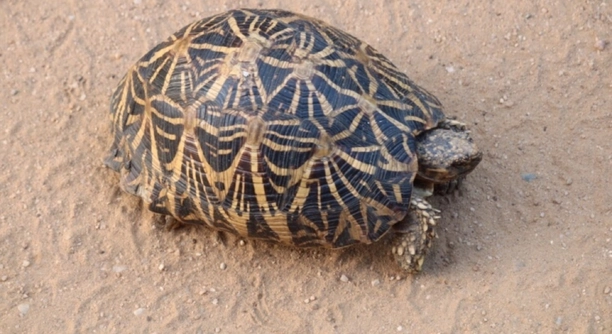
Turtles are fascinating pets, but they can sometimes engage in behaviors that seem puzzling, like scratching their tank lid. This can leave many owners wondering what’s going on and whether it’s something to be concerned about.
Turtles often scratch at their tank lids due to frustration, boredom, or a desire to escape. They may be trying to reach something that interests them, like food or light, or simply seeking stimulation.
Understanding the reasons behind this behavior can help ensure your turtle’s well-being. We’ll explore some common causes of this scratching and ways to address them, helping both you and your pet live more comfortably.
Common Reasons for Scratching at the Tank Lid
Turtles can scratch at their tank lid for a variety of reasons. One of the most common causes is a lack of stimulation. Turtles are active creatures that need mental and physical engagement. If they’re not getting enough of either, they may start scratching to express frustration. Another reason could be a desire to escape. When turtles feel confined or are in a small tank, they may attempt to get out. This behavior can also stem from curiosity or the need to explore their surroundings. Lastly, scratching may be a response to environmental factors such as lighting or the presence of food outside the tank, which can make the turtle try to reach those things.
Scratching may also signal that your turtle is trying to communicate a need, like more space or better environmental conditions.
To ensure your turtle is content, it’s important to observe its behavior closely. If scratching is frequent, it might be time to assess its living conditions. Checking the tank size and the items inside will help identify any issues. Adding more enrichment, like plants or hiding spaces, could also ease the scratching. Make sure the tank provides a good balance of light and heat to keep your turtle comfortable. With the right care, most of these behaviors can be easily addressed, and your turtle will be less likely to scratch excessively.
Signs of Boredom and Frustration
Boredom is a significant factor when it comes to scratching at the tank lid.
When turtles aren’t provided with enough stimulation, they may begin to show signs of boredom by engaging in repetitive actions like scratching. Turtles need more than just water and food to stay happy. Providing a variety of objects and activities, such as floating objects or climbing areas, can help. Additionally, interactive toys or changes in tank setup can keep your turtle engaged. It’s important to offer opportunities for both physical and mental exercise.
Tank Size and Space Limitations
Turtles need space to move around, and a small tank can cause them to feel confined. Scratching at the tank lid can be a sign they’re trying to escape. When they don’t have enough room to roam, it leads to stress and frustration.
A small tank can prevent a turtle from displaying its natural behaviors. Turtles like to swim, bask, and explore. Without enough space, they can feel trapped, which might make them scratch the lid as a way to get out. The larger the tank, the better. A spacious tank promotes healthier behavior and reduces stress.
It’s essential to provide a tank that’s at least 40 gallons for one adult turtle. Larger tanks are always better, as they give your turtle more room to move and explore. Additionally, a larger tank can support a better environment, with appropriate heating, lighting, and filtration. If the tank is too small, your turtle may grow stressed and start scratching to escape. Make sure the space provided is suitable for your turtle’s size and behavior needs.
Environmental Enrichment
Lack of stimulation inside the tank can make turtles feel bored and restless. Scratching can be a sign of a need for more enrichment.
Turtles thrive when they have more than just water and food. Adding decorations, floating objects, and hiding spots will give them something to interact with. These items create a more natural environment, allowing them to explore and stay engaged. Some turtles also enjoy climbing, so adding a small platform or basking area can help them feel more comfortable and active. Keeping their surroundings dynamic ensures that your turtle stays entertained.
You can rotate objects in their tank to offer new experiences regularly. A few live plants will not only improve the tank’s appearance but also give your turtle places to hide and interact with. Changing up the setup occasionally keeps things interesting. Without proper enrichment, turtles often resort to repetitive behaviors like scratching.
Lighting and Temperature Issues
Turtles are sensitive to light and temperature. If their tank environment isn’t correctly regulated, they may start scratching. Proper lighting helps maintain their natural day and night cycles, while temperature regulation keeps them comfortable.
If the temperature is too low, turtles may feel uncomfortable, leading to stress behaviors like scratching. Ensure your tank has both basking and cooler areas to help your turtle regulate its body temperature. The basking light should be strong enough to raise the area’s temperature to about 85-90°F. Without proper heat, your turtle may be restless.
Desire for Food or Attention
Turtles may scratch the tank lid when they are hungry or want attention. They associate the lid with food or human interaction.
If your turtle consistently scratches at the lid during feeding time, it’s likely trying to communicate its hunger. If they see you walking by, they may also associate you with attention or treats. Be consistent with feeding times to avoid reinforcing the behavior.
FAQ
Why does my turtle keep scratching its tank lid?
Turtles scratch their tank lid for several reasons, such as frustration, boredom, or the desire to escape. If the tank is too small or lacks sufficient enrichment, your turtle may start scratching as a sign of stress or restlessness. They might also be trying to reach something they can’t access, like food or light. Proper space, stimulation, and environmental conditions can help minimize this behavior.
Is my turtle scratching because it’s trying to escape?
Yes, turtles often scratch the tank lid because they feel confined and want to get out. A small tank or one that doesn’t provide enough space for swimming and basking can make them feel trapped. Providing a larger tank or tank enrichment can help reduce this behavior.
How can I reduce my turtle’s scratching behavior?
To reduce scratching, first check if your turtle’s tank is big enough. Ensure that there are various elements for your turtle to interact with, such as climbing areas or hiding spots. Also, make sure the water temperature and lighting are appropriate for your turtle’s species. Regularly changing the tank setup and providing stimulation through toys or objects can help keep them entertained and reduce the need for scratching.
Can scratching mean my turtle is hungry?
Yes, turtles may scratch the tank lid when they are hungry or anticipating feeding time. If your turtle associates you or the lid with food, it may scratch as a way of signaling its hunger. You can avoid reinforcing this behavior by sticking to regular feeding schedules and ensuring the turtle has enough food.
Does scratching indicate stress or illness?
Scratching can be a sign of stress, particularly if there are issues with the tank environment. For example, improper temperature, insufficient space, or a lack of stimulation can cause frustration in turtles. However, if scratching is accompanied by other unusual signs, like lethargy or a lack of appetite, it may indicate a health problem. In that case, it’s best to consult a vet.
How often should I change my turtle’s tank setup?
It’s a good idea to change the tank setup every few weeks or so, especially if your turtle shows signs of boredom. Moving objects around, adding new ones, or introducing live plants can provide your turtle with fresh stimuli. Keeping the environment dynamic helps reduce the chances of your turtle scratching at the tank lid due to frustration.
What is the best tank size for my turtle?
The ideal tank size for a turtle depends on its species. As a general rule, a single adult turtle should have at least a 40-gallon tank. Larger tanks provide more room for swimming, basking, and exploring. Bigger spaces also make it easier to maintain a comfortable temperature gradient and provide the turtle with proper enrichment.
Can the type of lighting affect scratching behavior?
Yes, inadequate or improper lighting can make your turtle feel stressed. Turtles need both UVB light for basking and heat lamps to regulate their body temperature. Without the proper lighting, your turtle may become uncomfortable, which could lead to scratching. Make sure your turtle has a basking area with appropriate lighting and temperature.
How can I tell if my turtle is bored?
A bored turtle may scratch at the tank lid, pace back and forth, or show signs of restlessness. They may also engage in repetitive behaviors or act lethargic. Providing enrichment such as plants, hiding spots, or climbing structures can help alleviate boredom. Regularly changing the environment can also keep your turtle entertained.
Should I be concerned if my turtle is scratching constantly?
Frequent scratching may indicate that your turtle is feeling stressed or uncomfortable. It’s essential to assess the tank environment to ensure it meets your turtle’s needs. If the scratching continues despite adjusting the tank size, lighting, and enrichment, it may be worth consulting a vet to rule out any underlying health issues.
Final Thoughts
Understanding why your turtle scratches at its tank lid is an important part of providing the best care for your pet. Most often, this behavior is a sign that your turtle is feeling stressed, bored, or confined. It’s essential to observe your turtle closely and look for any signs that might indicate discomfort. Scratching can often be addressed by adjusting the tank environment and making sure your turtle has enough space to move around, proper lighting, and a variety of things to interact with. Creating a tank that is as natural and engaging as possible can go a long way in reducing this behavior.
It’s also crucial to remember that turtles, like all pets, have unique needs depending on their species. While some turtles may require larger tanks, others may need specific types of food or water conditions to thrive. By understanding these specific needs and adjusting the environment accordingly, you can help reduce behaviors like scratching and ensure your turtle lives a healthy, happy life. Ensuring your turtle has access to proper heating, UVB lighting, and a balanced diet is key in keeping them comfortable and content.
In the end, it’s all about making your turtle’s living space as enjoyable and stress-free as possible. Regularly checking the conditions of the tank, providing enrichment, and giving your turtle enough space are important steps in preventing behaviors like scratching. If you ever feel unsure about your turtle’s behavior or its health, consulting a vet is always a good choice. By taking these simple steps, you can create a better environment for your turtle to thrive in, leading to a more relaxed and healthy pet.

Hello,
If you enjoy the content that we create, please consider saying a "Thank You!" by leaving a tip.
Every little bit helps us continue crafting quality advice that supports the health, happiness, and well-being of pets around the world, for pets of all shapes, sizes, and species.
We really appreciate the kindness and support that you show us!