
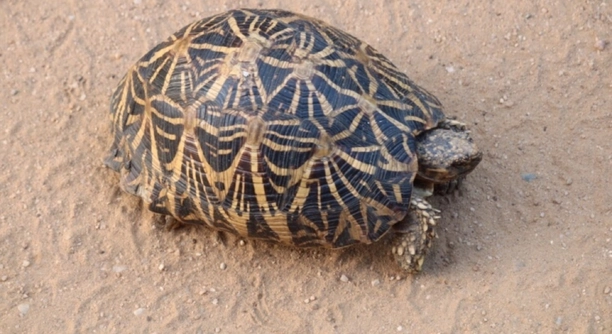
Ear infections in turtles are more common than you might think. These infections can cause discomfort and affect your turtle’s overall health. Knowing what causes them can help you take preventive steps and care for your pet.
Ear infections in turtles are often caused by factors such as poor water quality, inadequate basking conditions, and injuries. Infections can also arise from bacterial or fungal growth, stressing the importance of proper tank maintenance and veterinary care.
Learning about the different causes of ear infections will help you protect your turtle and keep it healthy. Simple changes in care can go a long way in preventing such issues.
Poor Water Quality
Water quality plays a major role in a turtle’s health, especially when it comes to ear infections. Dirty water can harbor bacteria and fungi, which lead to infections. Turtles are constantly in the water, so if it’s contaminated, their skin, eyes, and ears can easily become affected. Even small amounts of waste or leftover food can quickly build up harmful bacteria. If you neglect water changes or filter maintenance, you might see your turtle struggling with infections.
Keeping water clean is the best way to avoid these problems. Regularly cleaning the tank and using a good filtration system can prevent harmful microorganisms from growing. Changing the water every week or more frequently, depending on the tank size, is essential for turtle health.
When turtles are exposed to dirty water, they are more likely to get infections that can spread to other parts of their body. It’s important to check for signs of an infection, like swelling or discharge, and consult a vet if needed. Preventing water contamination is a simple yet effective step in ensuring your turtle stays healthy.
Inadequate Basking Conditions
Basking is crucial for turtles to maintain their body temperature and overall health. Without proper basking spots, turtles may develop weak immune systems, which can make them more susceptible to infections. A poor basking area can also lead to stress, lowering their ability to fight off bacteria and fungi.
Injuries or Trauma
Turtles are naturally curious creatures and can sometimes get injured while exploring their environment. Small accidents, like bumping into tank decorations or other turtles, can lead to injuries around the ears. These injuries create openings that bacteria or fungi can enter, leading to infections. Even minor wounds should be cleaned and monitored closely.
If you notice any swelling or unusual behavior, it’s important to act quickly. Keeping the tank’s environment safe and free from sharp edges can help reduce the risk of injury. A quick response can prevent the injury from becoming a bigger issue, leading to ear infections and other complications.
Regularly checking your turtle for any signs of injury is a good habit. If you see any cuts or scratches, clean them gently and ensure the turtle is in a safe, clean environment. This can prevent minor issues from turning into infections that are more difficult to treat.
Poor Diet
A poor diet can weaken a turtle’s immune system, making it more prone to ear infections. Turtles need a balanced diet that includes a variety of foods to stay healthy. If they aren’t getting enough of the right nutrients, their bodies may struggle to fight off infections. Calcium, vitamins, and protein are essential for maintaining healthy skin and immune function.
Providing your turtle with a mix of leafy greens, aquatic plants, and animal-based proteins helps support its overall health. Supplements can also be considered if you think your turtle isn’t getting all the nutrients it needs from food alone. Proper nutrition strengthens their body’s defenses, making it less likely for bacteria to cause issues like ear infections.
If you suspect your turtle isn’t eating enough or seems lethargic, adjusting its diet can be a simple solution. It’s important to pay attention to what your turtle eats and ensure it gets all the essential nutrients for long-term health.
Bacterial or Fungal Infections
Bacteria and fungi thrive in moist environments, which is why turtles are vulnerable. If your turtle’s ears are exposed to contaminated water or if their immune system is weakened, infections can develop. These infections can quickly cause swelling, discharge, and pain, leading to further complications if untreated.
Cleaning the tank regularly and ensuring your turtle’s habitat is dry and warm can help reduce the risk of bacterial and fungal growth. If you notice any symptoms of an infection, like redness or swelling around the ears, contact a vet for prompt treatment.
Antibiotics or antifungal treatments may be required to clear the infection, depending on its severity. Ensuring proper care and hygiene will help your turtle fight off harmful bacteria and fungi in the future.
Tank Size
Tank size plays an important role in maintaining a healthy turtle environment. A cramped tank increases stress and can contribute to poor water quality. When the tank is too small, turtles don’t have enough space to move around freely, which can lead to infections and health issues over time.
A larger tank allows better water circulation and filtration, which helps maintain a clean environment. It also gives your turtle the space to bask properly and move without feeling crowded. Providing enough space encourages a more natural lifestyle, reducing stress and promoting overall well-being.
Improper Temperature
Turtles need a specific temperature range to stay healthy. If their basking area is too cold or too hot, it can cause stress, weakening their immune system. A weak immune system makes it harder for turtles to fight off infections, including ear infections. Keeping their environment stable is key to preventing these issues.
FAQ
What are the signs that my turtle has an ear infection?
The most common signs of an ear infection in turtles are swelling around the ears, discharge, or a visible change in behavior. Your turtle might scratch at its ears or avoid basking if it’s in pain. You may also notice your turtle swimming in a circle or tilting its head. If you see any of these signs, it’s important to act quickly and consult a vet. Early detection can help prevent the infection from worsening and leading to other health problems.
How can I prevent ear infections in my turtle?
To prevent ear infections, focus on maintaining clean water, providing proper basking areas, and ensuring your turtle eats a balanced diet. Regularly clean the tank and change the water to prevent bacteria buildup. Make sure the basking area is at the right temperature to help your turtle’s immune system stay strong. A well-balanced diet with the right nutrients also helps keep your turtle healthy, making it less likely to develop infections.
What causes ear infections in turtles?
Ear infections in turtles can be caused by various factors, such as poor water quality, inadequate basking conditions, injuries, bacterial or fungal growth, and poor diet. Dirty water can introduce harmful bacteria, while lack of proper basking can weaken the immune system. Any injury near the ears can also introduce bacteria, leading to infections. A poor diet can weaken your turtle’s immune system, making it more susceptible to infections.
Can I treat my turtle’s ear infection at home?
It’s important to have a vet diagnose and treat ear infections in turtles. While minor injuries or mild symptoms may be manageable with basic care, infections should be treated professionally to avoid complications. Your vet may prescribe antibiotics or antifungal medication, which can only be administered after proper diagnosis. At home, you can keep the water clean, avoid any further stress to the turtle, and monitor for any worsening symptoms, but veterinary care is essential for proper healing.
How do I clean my turtle’s tank to avoid infections?
To prevent ear infections and other health issues, cleaning your turtle’s tank regularly is crucial. Start by removing leftover food and waste from the water. Change the water at least once a week, and use a good filtration system to keep it clean. Make sure the tank is large enough to allow proper circulation and to avoid overcrowding, which can lead to a buildup of harmful bacteria. Also, scrub the tank walls and decorations regularly to avoid algae and mold growth. A clean tank is one of the best ways to keep your turtle healthy.
How long does it take for an ear infection to heal in a turtle?
The healing time for an ear infection in a turtle can vary depending on the severity of the infection and how quickly treatment is administered. With proper care, mild infections can start showing improvement within a few days. However, more severe infections may take weeks to heal completely. It’s important to follow your vet’s instructions and not stop treatment prematurely, as stopping early may cause the infection to return. Keep monitoring your turtle’s health and ensure the environment is clean and stress-free to speed up recovery.
Can ear infections in turtles lead to permanent damage?
If left untreated, ear infections in turtles can lead to permanent damage, including hearing loss or difficulty swimming properly. In severe cases, the infection can spread to other parts of the turtle’s body, leading to more serious health problems. That’s why it’s so important to seek prompt veterinary care if you notice signs of an ear infection. Early treatment greatly reduces the risk of permanent damage and ensures your turtle can live a long, healthy life.
What type of diet is best for preventing ear infections in turtles?
A diet that supports your turtle’s immune system is essential for preventing ear infections. Provide a mix of leafy greens, aquatic plants, and protein-rich foods like insects, fish, or specially formulated turtle pellets. Calcium and vitamin supplements can be added if needed, especially for older turtles or those with dietary restrictions. A well-balanced diet will help keep your turtle strong, making it less vulnerable to infections and promoting overall health.
Can multiple turtles in the same tank cause ear infections?
Yes, multiple turtles in the same tank can increase the likelihood of ear infections, especially if the tank is too small or the water quality is poor. When turtles are in close quarters, it’s easier for bacteria to spread, particularly if there are injuries or stress involved. To reduce the risk, ensure that your tank is large enough for all the turtles to have their own space, and make sure the water is kept clean. Regularly monitor their health to catch any issues early.
How can I help my turtle feel better during an ear infection?
During an ear infection, your turtle will need a stress-free, clean environment. Keep the water clean and ensure the basking area is at the correct temperature to help support your turtle’s immune system. Avoid handling your turtle too much, as this can stress it further. Offer nutritious food and make sure your turtle is getting the right balance of vitamins and minerals. If your turtle seems very uncomfortable or is not eating, it’s best to consult a vet for more specific care.
Is there any way to treat fungal infections in turtles?
Fungal infections in turtles require veterinary care, as antifungal medication will likely be needed for treatment. A vet will properly diagnose the type of fungus and prescribe the correct treatment. Fungal infections are often caused by poor water quality or inadequate basking areas. To avoid fungal infections, make sure the turtle’s habitat is clean, dry, and well-maintained. Regularly check your turtle for signs of infection and seek professional care if necessary.
What should I do if my turtle refuses to eat during an ear infection?
If your turtle refuses to eat, it’s a sign that something is wrong, likely related to the ear infection or stress. Offer easy-to-eat foods, such as soft greens or protein-rich treats. However, if the refusal to eat continues for more than a day or two, it’s best to take your turtle to the vet. Infections can affect a turtle’s appetite, and not eating can weaken its immune system, making it harder to recover from the infection.
Final Thoughts
Taking care of a turtle involves more than just providing food and water; it requires attention to its living environment and overall health. Ear infections in turtles can be a serious issue, but understanding the causes and knowing how to prevent them can make a significant difference in your turtle’s well-being. Regular maintenance of the tank, proper basking conditions, and a balanced diet are all key factors in keeping your turtle healthy. The good news is that many ear infections can be prevented with the right care and quick action if problems arise.
If you notice any signs of an ear infection, such as swelling, discharge, or unusual behavior, it’s important to act quickly. A visit to the vet can help diagnose the issue and begin treatment before it worsens. As with many health concerns, early intervention can prevent long-term damage. Regularly checking your turtle for injuries, cleaning the tank, and ensuring its habitat is comfortable will all help reduce the risk of infections. This proactive approach not only helps prevent ear infections but also supports the overall health and longevity of your pet.
In the end, taking small steps to ensure your turtle’s environment is clean, warm, and well-maintained can lead to a happy, healthy life for your pet. Understanding the causes of ear infections and how to prevent them is essential for any turtle owner. With the right care, your turtle will be less likely to experience health issues, allowing it to thrive for years to come.

Hello,
If you enjoy the content that we create, please consider saying a "Thank You!" by leaving a tip.
Every little bit helps us continue crafting quality advice that supports the health, happiness, and well-being of pets around the world, for pets of all shapes, sizes, and species.
We really appreciate the kindness and support that you show us!