
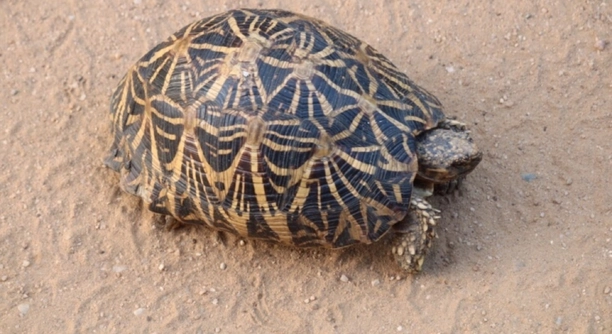
Turtles, like all animals, require specific nutrients to stay healthy. One of the most important is calcium, which supports their bones and shell. Without enough, their health can decline. Knowing the signs of calcium deficiency can help.
Calcium deficiency in turtles can lead to various health problems, including soft shells, weakened bones, and even paralysis. The most common signs include a loss of appetite, lethargy, or a visible softening of the shell. Prompt intervention is essential.
Ensuring your turtle gets enough calcium is crucial for their well-being. Understanding the signs of a deficiency can help prevent long-term damage.
Why Calcium is Crucial for Your Turtle’s Health
Calcium plays a vital role in maintaining your turtle’s bone structure and shell strength. If your turtle is not getting enough calcium, its shell may become soft or even deformed. Calcium is also necessary for proper muscle function and nerve transmission. A deficiency can lead to weakness, paralysis, or difficulty moving. Turtles rely on their diet and access to UVB light for calcium absorption. Without enough calcium in their system, they may struggle with basic movements and even become lethargic.
Turtles are unique in their nutritional needs, and calcium is non-negotiable for healthy growth and development. Ensuring they receive enough calcium is key to their well-being. Without it, complications like metabolic bone disease can occur.
Adding calcium-rich foods like leafy greens and calcium supplements is a quick and simple way to keep your turtle healthy. Adjusting their diet and exposure to UVB light can prevent these issues from arising.
Signs of Calcium Deficiency
Recognizing calcium deficiency early can help avoid long-term damage. Look for signs such as a soft or rubbery shell, lethargy, or difficulty moving. These symptoms indicate that calcium levels are low, and action should be taken immediately.
When a turtle’s calcium levels drop too low, it can experience various health problems. One of the first signs is often a softening of the shell. Over time, this may progress into more severe issues such as bone fractures or paralysis. A turtle may also become more sluggish and avoid eating. Calcium is essential for muscle and nerve function, so a lack of it will result in weakness and a lack of mobility. If left untreated, these symptoms can lead to permanent damage or even death. A well-balanced diet and proper lighting are essential for preventing calcium deficiencies.
Importance of UVB Light for Calcium Absorption
UVB light is necessary for turtles to properly absorb calcium. Without exposure to UVB, even the best calcium-rich diet won’t be fully effective. UVB light helps turtles synthesize vitamin D3, which is essential for calcium metabolism. Without it, calcium will not be absorbed efficiently.
A lack of UVB light can result in the turtle’s inability to process calcium from its food. This often leads to weak bones and a soft, fragile shell. Turtles who do not receive adequate UVB exposure will become more prone to calcium deficiency, regardless of how much calcium they consume. Ensuring your turtle’s habitat includes proper UVB lighting is essential for their health. Make sure to use a UVB bulb specifically designed for reptiles, and keep it on for 10-12 hours daily.
Without proper UVB lighting, a turtle’s health can deteriorate rapidly. Ensure the light is not too far from their basking spot, as distance can reduce its effectiveness. Regular exposure to UVB light is just as important as the right diet.
How to Provide Calcium in Your Turtle’s Diet
A balanced diet is the best way to prevent calcium deficiency. Turtles should have access to leafy greens such as collard greens, kale, and dandelion greens, which are rich in calcium. You can also offer calcium supplements to support their diet.
Calcium supplements can be dusted on food or mixed into water, depending on your turtle’s feeding habits. It is essential to use a supplement specifically formulated for reptiles, as other forms of calcium may not be properly absorbed. Keep in mind that calcium should be provided in a balanced way. Over-supplementation can lead to other issues like kidney problems.
Regularly monitor the calcium intake in your turtle’s diet. Too little calcium can cause severe health issues, while too much can result in organ damage. It’s important to find the right balance to ensure your turtle’s overall health and vitality.
Calcium Supplements: When and How to Use Them
Calcium supplements should be given to turtles who aren’t receiving enough from their diet or UVB exposure. Use calcium powder that’s specifically designed for reptiles. This ensures it’s safe and effective.
Dusting food with calcium powder or adding it to their water are common ways to deliver supplements. Be careful with the amount you use, as over-supplementing can lead to health problems. Follow the instructions on the supplement packaging for the right dosage. Offering calcium supplements 2-3 times a week is generally sufficient.
Be mindful of your turtle’s calcium needs. If unsure, consult a veterinarian to ensure you’re providing the correct dosage and balance.
The Role of Vitamin D3 in Calcium Metabolism
Vitamin D3 helps turtles absorb calcium. Without sufficient D3, the calcium they consume cannot be utilized effectively, which can lead to serious deficiencies. UVB light is the primary source of D3 for turtles, but some foods and supplements can provide it as well.
When turtles do not receive enough UVB light, they are unable to produce enough vitamin D3. This makes calcium ineffective, no matter how much they consume. To prevent this, ensure your turtle’s habitat has a high-quality UVB light source and consider offering food or supplements that contain vitamin D3, especially during winter when natural sunlight may be insufficient.
Balancing both calcium and vitamin D3 is critical for a healthy, active turtle. Lack of either can lead to long-term health issues like soft shells, bone fractures, and even paralysis.
Monitoring Calcium Intake
Keep track of your turtle’s calcium intake to ensure they’re getting enough but not too much. Regularly check the condition of their shell and monitor their overall activity levels. If they become sluggish or avoid eating, calcium deficiency could be the cause.
FAQ
How can I tell if my turtle is getting enough calcium?
Signs that your turtle is not getting enough calcium include a soft or deformed shell, lethargy, and weakness. If your turtle seems sluggish or has trouble moving, these could be indicators that their calcium levels are low. The shell should feel firm and smooth, not soft or pliable. If you notice any of these signs, it’s crucial to reassess their diet and UVB exposure.
Can I give my turtle calcium supplements every day?
It’s best not to give calcium supplements daily, as over-supplementation can lead to other health issues. A few times a week is generally enough, depending on your turtle’s diet and UVB exposure. Too much calcium can lead to kidney damage and other organ problems. It’s important to balance calcium supplementation with natural sources of calcium and proper lighting.
What happens if my turtle doesn’t get enough UVB light?
If your turtle doesn’t get enough UVB light, they won’t be able to produce vitamin D3, which is necessary for calcium absorption. This can lead to soft shells, bone deformities, and even paralysis. Without proper UVB exposure, calcium from their diet is rendered ineffective, causing a cascade of health problems. Ensure your turtle has access to UVB lighting for 10-12 hours a day to support their overall health.
How do I provide the right UVB light for my turtle?
The best way to provide UVB light is to use a bulb designed specifically for reptiles. These bulbs emit the necessary UVB radiation that turtles need to produce vitamin D3. Place the UVB bulb over your turtle’s basking area, making sure it’s not too far from them. Keep the light on for 10-12 hours a day. Replace the bulb every 6-12 months, even if it still seems to work, as its UVB output degrades over time.
Is there a difference between calcium carbonate and calcium citrate for turtles?
Calcium carbonate is commonly used in reptile supplements because it’s a highly effective and affordable form of calcium. However, calcium citrate may be easier for some turtles to absorb. In general, calcium carbonate is the preferred choice for most turtles. It’s important to use a calcium supplement that is designed specifically for reptiles to ensure they get the right form and dosage.
Can I feed my turtle calcium-rich vegetables instead of supplements?
Yes, feeding your turtle calcium-rich vegetables like kale, collard greens, and dandelion greens is a natural way to provide calcium. However, these vegetables may not supply all the calcium your turtle needs, especially if they are not exposed to sufficient UVB light. It’s often beneficial to supplement their diet with calcium powder to ensure they receive adequate amounts. A balanced approach that includes both calcium-rich foods and supplements will be the most effective.
How often should I feed my turtle calcium-rich foods?
Calcium-rich foods should be provided to your turtle regularly, at least 3-4 times a week. Leafy greens like kale, collard greens, and dandelion greens are excellent sources. However, the exact frequency will depend on your turtle’s age, species, and overall health. Juvenile turtles need more calcium for growth, so they may require more frequent servings. Adult turtles still need calcium but may not require it as often.
Can I overfeed my turtle calcium-rich foods?
While calcium-rich foods are important, it’s possible to overfeed them. Too much calcium, particularly in supplement form, can lead to calcium toxicity and kidney issues. Stick to the recommended serving size and balance it with other foods to ensure your turtle’s diet is diverse and well-rounded. It’s also essential to monitor your turtle’s shell and overall health regularly to ensure they’re getting the right amount of calcium.
Should I provide calcium in water or on food?
Most turtle owners find that dusting food with calcium powder is the most effective method. Calcium in water can be difficult for turtles to consume and absorb efficiently. Additionally, water-based supplements may be diluted and not provide the right amount. Dusting food with calcium powder ensures the turtle gets the correct dosage and helps with digestion.
What are the risks of not providing enough calcium to my turtle?
Not providing enough calcium can lead to metabolic bone disease, a condition that causes weakened bones, soft shells, and deformities. If untreated, it can progress to paralysis and even death. Calcium deficiency weakens the turtle’s immune system, making them more susceptible to other diseases and infections. Providing the right amount of calcium ensures your turtle’s bones and shell stay strong, preventing these severe health problems.
Can I give my turtle calcium in the form of cuttlebone?
Yes, cuttlebone is an excellent source of calcium for turtles. It’s a natural, safe way to supplement their diet. Cuttlebone is especially useful for turtles who may not be getting enough calcium from their food. Simply place a piece of cuttlebone in their tank, and they’ll nibble on it as needed. It’s important to ensure they also have a balanced diet, so cuttlebone should be an additional supplement rather than their primary source of calcium.
How do I adjust my turtle’s calcium intake if they’re sick?
If your turtle is sick or has an illness related to calcium deficiency, it’s important to work with a veterinarian to adjust their diet and supplementation. Sick turtles often need additional care and may require higher doses of calcium for recovery. A veterinarian can provide guidance on the appropriate amount of calcium, along with other treatments your turtle might need to restore its health.
Are there any alternative sources of calcium for turtles?
Aside from leafy greens and supplements, there are other sources of calcium that can benefit your turtle. Options like calcium-fortified pellets or calcium-rich fruits (such as figs) can be useful additions to their diet. You can also try natural foods like egg shells, which are rich in calcium. Just be sure to crush them into small pieces so they’re easier to eat and digest.
What should I do if my turtle refuses to eat calcium-rich foods?
If your turtle refuses to eat calcium-rich foods, try offering a variety of options, such as different types of leafy greens, calcium-rich fruits, or even commercial calcium supplements. Some turtles may be picky, so switching up their food choices can help. If your turtle continues to avoid calcium-rich foods, it may be worth consulting with a veterinarian to rule out other health issues.
Final Thoughts
Ensuring your turtle gets enough calcium is essential for their health and well-being. Calcium plays a vital role in maintaining a strong, healthy shell and supporting overall growth. Without it, turtles are at risk of developing metabolic bone disease, which can lead to deformities, weakened bones, and even death. Offering a balanced diet that includes calcium-rich foods, proper supplementation, and sufficient UVB light is key to preventing these health issues. It’s important to monitor your turtle’s shell condition and behavior closely to spot any early signs of calcium deficiency.
Turtles are unique in their dietary and environmental needs. They rely on a combination of natural food sources and supplements to meet their calcium requirements. While leafy greens like kale and collard greens can provide essential nutrients, they may not be enough on their own. Regular supplementation with calcium powder, as well as access to proper UVB lighting, helps ensure that your turtle can absorb the calcium from their food. Without these elements, the calcium your turtle consumes may not be fully utilized, leading to deficiencies and health complications.
Taking the time to understand your turtle’s specific needs can make all the difference in keeping them healthy. Regularly check their diet, UVB exposure, and overall health to avoid any deficiencies. If you notice signs like a soft or deformed shell, lethargy, or difficulty moving, it’s important to act quickly. Consult a veterinarian if you’re unsure about your turtle’s calcium intake or overall health. Proper care and attention to their nutritional needs can ensure that your turtle remains healthy and thriving for years to come.

Hello,
If you enjoy the content that we create, please consider saying a "Thank You!" by leaving a tip.
Every little bit helps us continue crafting quality advice that supports the health, happiness, and well-being of pets around the world, for pets of all shapes, sizes, and species.
We really appreciate the kindness and support that you show us!