
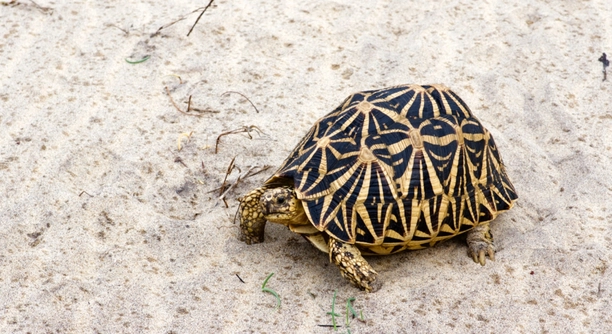
Turtles are fascinating creatures, but their behaviors can sometimes seem puzzling. If you’ve noticed your turtle trying to bite its own feet, it might be a sign of something more than just a quirky habit.
Turtles may try to bite their feet due to stress, irritation, or physical discomfort. This behavior can be triggered by an infection, injury, or environmental factors like water quality. Addressing these causes can help alleviate the issue.
Understanding the reasons behind this behavior is important for ensuring your turtle’s well-being. Adjusting their environment and health care can make a significant difference in stopping this behavior.
Common Reasons for Biting Behavior
Turtles may start biting their feet for a variety of reasons. Stress is a leading cause. Turtles are sensitive creatures, and changes in their environment, such as loud noises, new pets, or unfamiliar handling, can cause them anxiety. Additionally, poor water conditions or overcrowding in their tank can lead to irritation. If your turtle isn’t getting enough space or clean water, this can make them feel trapped or uncomfortable. Physical discomfort from an injury or infection can also lead to this behavior, as the turtle tries to relieve the irritation. In some cases, it’s simply an exploratory behavior that becomes repetitive if not addressed.
Identifying the cause of the behavior is the first step in resolving it. If the issue is stress, creating a calm environment can help. Ensuring clean water and sufficient space is crucial.
If your turtle is biting its feet due to physical discomfort, a visit to the vet is essential. It’s important to rule out any infections or injuries. If the behavior persists even after addressing potential stressors, a vet can offer guidance on improving your turtle’s overall health. Often, small adjustments to the environment or diet can make a noticeable difference in how your turtle behaves. Regular checkups can also ensure that any underlying health issues are identified early.
Addressing Stress and Environment
Reducing stress for your turtle can have a positive impact. Creating a quiet, calm environment can reduce the likelihood of foot-biting behavior.
Consider adjusting your turtle’s habitat by adding hiding spots, plants, or even a basking area. Ensuring a stable, peaceful environment can provide comfort and reduce stress.
The Role of Diet and Nutrition
A balanced diet is crucial for a turtle’s overall health. Nutrient deficiencies can lead to unusual behaviors, such as biting their feet. If a turtle is lacking essential vitamins or minerals, it may feel discomfort or even become frustrated. A diet that includes leafy greens, proteins, and the right vitamins will support their health and reduce stress.
Turtles need a variety of foods to thrive. Vegetables like collard greens, kale, and carrots, along with occasional protein sources like insects or fish, provide essential nutrients. Calcium is especially important for shell health and can prevent issues that lead to foot-biting behavior. Proper hydration is another key factor in maintaining a turtle’s well-being, so ensure your turtle has access to clean water at all times.
A turtle’s diet can affect their overall behavior and health. If your turtle is not eating enough or getting the right foods, their behavior can become erratic. It’s important to ensure their diet meets the nutritional needs for their age, size, and species. By improving their food intake, you can often see a reduction in stress and discomfort that could be causing foot-biting.
Tank Conditions and Water Quality
Poor water quality is a common reason for turtles biting their feet. Dirty water can irritate their skin, leading them to try and bite or scratch. Regular cleaning of the tank and maintaining the right water temperature will prevent this.
The water should be clean, with a filter that removes debris and toxins. A temperature between 75 and 85°F is ideal for most turtle species. Make sure the water is changed frequently to avoid any buildup of harmful bacteria. Low-quality water can lead to skin infections, which could trigger this unusual biting behavior.
Physical Injuries or Infections
Turtles may bite their feet if they have an injury or infection. Small cuts or abrasions can become sources of irritation, prompting them to try to relieve discomfort by biting. It’s essential to inspect your turtle regularly for any signs of injury.
Infections, whether from bacteria or fungi, can also lead to painful symptoms, causing your turtle to bite its feet. If you notice any swelling, redness, or discharge, a vet visit is necessary to treat the condition properly. Prompt attention can prevent further damage and help your turtle recover faster.
Turtles and Shell Health
A turtle’s shell health can directly influence its behavior. Shell deformities or issues with the shell can make your turtle feel discomfort, which may lead to unusual actions like foot-biting. Ensuring proper calcium intake is important for shell health.
A well-maintained shell is vital for the turtle’s overall well-being. Without sufficient calcium, turtles can develop soft or weak shells, causing pain that may result in them attempting to bite or scratch their feet. A balanced diet rich in calcium and UVB light exposure can help maintain a healthy shell.
FAQ
Why does my turtle keep biting its feet?
Turtles bite their feet when they feel discomfort, stress, or irritation. This can be caused by poor tank conditions, nutritional deficiencies, or even physical injuries. It’s important to address these issues promptly to reduce this behavior. If the issue persists, a visit to the vet might be necessary.
How can I stop my turtle from biting its feet?
To stop the behavior, ensure your turtle has a clean, stress-free environment. Regularly change the water and maintain proper tank conditions. Also, provide a balanced diet that includes leafy greens, proteins, and sufficient calcium. If physical discomfort is suspected, check for injuries or infections and seek veterinary care if needed.
Could my turtle’s water be causing it to bite its feet?
Yes, poor water quality can irritate your turtle’s skin, leading to biting. Ensure that the tank water is clean and free from toxins. Regularly change the water and use a proper filtration system to remove any harmful substances. A consistent temperature also helps reduce skin irritation.
What should I feed my turtle to prevent biting behavior?
A well-balanced diet is essential. Include leafy greens like kale, collard greens, and dandelion leaves. Protein sources such as insects, worms, or small fish should be provided as well. Don’t forget calcium supplements to promote strong shells and bones, which can prevent discomfort and related behaviors.
Is my turtle’s shell affecting its foot-biting?
Yes, a weak or unhealthy shell can cause discomfort and lead to foot-biting. Shell issues often result from calcium deficiencies. Make sure your turtle is getting enough calcium, either through food or supplements. UVB lighting is also crucial for proper shell growth and health, so ensure your turtle has access to it.
How can I tell if my turtle has an infection?
Look for signs such as redness, swelling, or discharge around the feet, legs, or shell. Your turtle might also become lethargic or refuse food. If you notice any of these symptoms, consult a veterinarian for proper diagnosis and treatment to prevent the infection from worsening.
Can stress make my turtle bite its feet?
Yes, stress is a major factor. If your turtle is not feeling secure in its environment, it may start exhibiting unusual behaviors, including biting its feet. To reduce stress, keep the tank in a quiet area, avoid excessive handling, and ensure it has plenty of hiding spots. Keeping the water clean and the temperature stable is also essential.
How do I maintain a healthy tank for my turtle?
To maintain a healthy tank, regularly clean the tank and change the water. Ensure that the water is the correct temperature (around 75-85°F) and is properly filtered. Provide both a basking area and a swimming area. Keep decorations and plants in the tank to help your turtle feel secure.
Could my turtle’s diet be too high in protein?
Yes, an overly protein-rich diet can lead to kidney problems and other health issues in turtles. Balance the protein with vegetables and leafy greens. A varied diet will help keep your turtle healthy and may reduce the chances of stress-related behaviors like biting.
How often should I check my turtle for injuries?
It’s a good practice to check your turtle for injuries at least once a week. Look for cuts, scrapes, or any signs of swelling. If you notice anything unusual, take action immediately to prevent the problem from worsening. If you are unsure about the injury, consult with a vet.
What could cause my turtle to suddenly start biting its feet?
Sudden foot-biting can be caused by a variety of factors, including stress, water quality changes, or a recent injury. It could also be a sign that your turtle is feeling unwell or dealing with skin irritation. Assess the tank environment and diet to rule out possible causes.
Is it normal for my turtle to bite its feet once in a while?
Occasional foot-biting isn’t usually a concern, especially if your turtle does it during routine grooming or in response to slight irritation. However, if the behavior becomes frequent or aggressive, it’s important to evaluate the turtle’s health, environment, and diet to identify potential underlying issues.
What can I do if my turtle continues to bite its feet despite changes?
If your turtle continues biting its feet after addressing possible stressors, water quality, and diet, it might be time to visit a veterinarian. Persistent behavior may signal a deeper issue such as an infection, injury, or underlying health problem that needs professional treatment.
How long will it take for my turtle to stop biting its feet?
The time it takes for the behavior to stop depends on the cause. If the issue is stress, changes to the environment may result in improvement within a few days. For injuries or infections, it could take longer, depending on treatment and recovery. Consistency in care will help speed up recovery.
Can other pets or animals cause stress for my turtle?
Yes, other pets in the household, such as cats or dogs, can cause stress for your turtle. The presence of predators or loud noises can make your turtle feel unsafe. Keep your turtle’s tank in a quiet, peaceful area to avoid additional stress and reduce unwanted behaviors like foot-biting.
How do I prevent my turtle from getting infections?
Preventing infections involves keeping your turtle’s tank clean, maintaining proper water quality, and providing a balanced diet. Make sure your turtle has a warm, dry basking area and that they have enough UVB exposure to maintain healthy skin and shell. Regular health checks are essential for preventing infections.
Should I be concerned if my turtle is biting its feet in a specific location?
If your turtle is consistently biting its feet in a specific location, it could indicate localized irritation or injury. Inspect the area carefully for any wounds or infections. If you can’t find anything obvious, it’s best to consult a veterinarian to rule out any health concerns.
Final Thoughts
Foot-biting in turtles is a behavior that should not be ignored. While it can occasionally occur as a normal part of self-grooming, frequent or persistent biting is usually a sign of discomfort, stress, or health issues. The causes can range from physical injuries and infections to environmental factors like poor water quality or inadequate tank conditions. By closely observing your turtle’s behavior and environment, you can often identify the root cause and take steps to resolve the issue.
Taking proactive steps to maintain your turtle’s health is crucial. Regularly check your turtle for signs of injury or illness, and make sure the tank environment is clean, stable, and properly set up for their needs. Providing a balanced diet that includes enough calcium and vitamins will help avoid issues related to shell and bone health. Ensuring your turtle has access to clean, warm water and a basking area can reduce stress and discomfort. Proper lighting and temperature control are also important for overall well-being.
If the behavior persists despite improvements in diet and tank conditions, it may be necessary to consult with a veterinarian. A vet can help determine if there are any underlying health concerns that need attention, such as infections or more serious conditions. By addressing the problem early, you can help prevent more severe issues and ensure your turtle remains happy and healthy in the long term. Regular monitoring and proper care are the best ways to prevent foot-biting from becoming a recurring problem.

Hello,
If you enjoy the content that we create, please consider saying a "Thank You!" by leaving a tip.
Every little bit helps us continue crafting quality advice that supports the health, happiness, and well-being of pets around the world, for pets of all shapes, sizes, and species.
We really appreciate the kindness and support that you show us!