
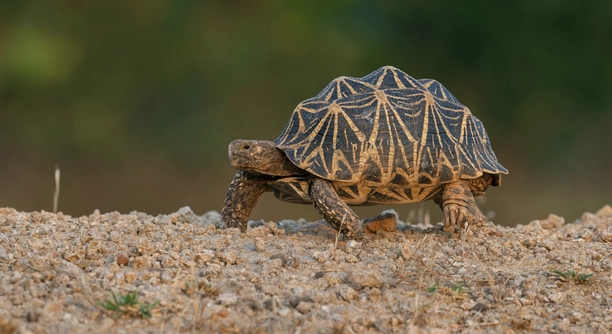
Turtles are fascinating pets, and creating a safe, comfortable tank for them is essential. One important element of their habitat is the addition of live plants. These plants not only enhance the environment but also benefit your turtle’s well-being.
Several live plants are safe and beneficial for turtle tanks, providing both shelter and a natural source of food. Some of the best options include anacharis, Java fern, and water lettuce, which are hardy, easy to maintain, and turtle-friendly.
Choosing the right plants for your turtle’s tank can make a huge difference in its quality of life. These plants will help create a healthy and beautiful environment for your turtle to thrive.
Why Live Plants Are Important in Turtle Tanks
Live plants in a turtle tank offer more than just decoration. They provide a natural environment that helps turtles feel comfortable and secure. Turtles love hiding among plants, which gives them a sense of safety. In addition, live plants can help maintain the water quality by absorbing excess nutrients. This reduces the growth of algae, which can be harmful to your turtle. Plants also provide a natural food source for your turtle, adding variety to its diet. Overall, adding live plants makes the tank more enjoyable for both the turtle and the owner.
Healthy live plants can be a great addition to any tank. They keep the water clean, give the turtles hiding spots, and make the tank look natural.
When choosing plants, make sure they are safe for turtles. Some plants may have sharp edges or toxins that could harm them. Look for plants that are soft and easy to maintain. Keeping the plants healthy is also key to creating a balanced tank.
Best Types of Live Plants for Turtle Tanks
Not all plants are safe for turtles, so choosing the right ones is essential. Some plants may not survive well in a tank with a turtle, while others might even pose a danger. For example, plants with tiny, sharp leaves can be harmful if eaten or touched. It’s important to choose plants that are both safe and easy to maintain in your turtle’s environment.
Anacharis is a popular plant for turtle tanks. It grows quickly and provides plenty of cover. Turtles can nibble on it, and it helps keep the water clean by absorbing extra nutrients. Another excellent option is Java fern. It’s tough and can grow well in both submerged and partially submerged conditions. The fern is slow-growing, which means it won’t require constant trimming. Additionally, water lettuce is another plant turtles enjoy. Its floating leaves create a natural hiding place for turtles and provide a cool environment.
When selecting plants, always ensure they are compatible with the needs of your turtle. Take into account the plant’s light, water, and temperature requirements.
Choosing the Right Size of Plants for Your Turtle Tank
The size of the plants in your turtle tank matters. Too large, and they could take up too much space, leaving your turtle with less room to swim. Too small, and they may not provide enough hiding spots or benefits.
The best approach is to select plants that will grow well in the space you have. Taller plants like anacharis or hornwort are perfect for creating a natural look without crowding the tank. Floating plants like water lettuce give your turtle a place to hide and can be trimmed easily if needed. When picking plants, always consider how much space they’ll need as they grow.
It’s important to monitor the growth of your plants to ensure they don’t overwhelm the tank. Regular trimming will help keep the plants at a manageable size, and it also helps maintain water quality. Plants that are too large can create problems with water filtration and make the tank harder to clean. Aim for a mix of sizes to give your turtle both shelter and swimming room.
Maintaining Healthy Live Plants in Turtle Tanks
Proper care of your plants is essential for their survival in a turtle tank. If plants are not maintained well, they can die or decay, affecting both the look of the tank and the health of the water.
To keep plants healthy, make sure they receive adequate light. Most plants thrive in moderate lighting, so placing your tank near natural sunlight can work. Be cautious, though, as too much sunlight can lead to algae growth. Additionally, consider using a light that mimics sunlight if natural light isn’t available. Regular water changes will also help plants by removing excess nutrients that may cause algae blooms.
Fertilizing plants in a turtle tank can be tricky since turtles often eat the plants. Make sure any fertilizers you use are safe for both plants and turtles. Opt for slow-release fertilizers to avoid overwhelming your tank with nutrients. If possible, use natural methods like adding live plants that naturally help with nutrient absorption. Regular plant care will help create a healthier environment for your turtle.
Common Problems with Live Plants in Turtle Tanks
Sometimes, live plants in turtle tanks can face problems. Turtles may munch on plants, preventing them from growing properly. Over time, the plants might also rot if the tank isn’t properly maintained.
The tank’s water quality is another issue. If the plants aren’t getting enough nutrients or light, they might struggle to thrive. It’s important to keep the water clean and provide enough light for healthy growth. Rotting plants can affect the water quality, which could harm the turtle.
How to Keep Your Turtle from Eating the Plants
If your turtle keeps munching on the plants, it can be frustrating. There are a few ways to prevent this. One option is to choose plants that are less appetizing, such as Java fern, which is tough and hard for turtles to chew.
Another option is to provide more food in the tank, so the turtle isn’t as tempted to nibble on the plants. Offering a varied diet with vegetables, pellets, and protein can reduce the urge to eat the plants. Placing the plants in areas that are harder for the turtle to reach can also help.
Water Quality and Its Impact on Plants
Water quality plays a huge role in plant health. Poor water conditions, such as high ammonia or nitrate levels, can stress the plants, causing them to die. Turtles also produce waste that can affect the water.
To ensure plants thrive, maintain clean water with regular water changes. A filtration system will help keep the water fresh and reduce toxins. Adding live plants helps absorb some of the excess nutrients in the water, but it’s still important to test the water regularly and take action when needed.
FAQ
Are all plants safe for turtles?
Not all plants are safe for turtles. Some plants can be toxic, while others might have sharp leaves or stems that could harm your turtle. It’s important to research each plant before adding it to the tank. Common safe plants for turtles include anacharis, Java fern, and duckweed. Always ensure that the plant is non-toxic and has soft, flexible leaves that won’t hurt your turtle if eaten.
Can turtles eat the plants in their tank?
Yes, turtles may eat the plants in their tank. Many turtles enjoy nibbling on aquatic plants, especially if they are hungry or bored. Some plants are more resistant to this than others. For example, Java fern and anacharis are less likely to be eaten because of their tough leaves. If you want to prevent your turtle from eating the plants, you may want to provide a variety of other food sources, such as turtle pellets and vegetables, to keep them satisfied.
How do I keep my turtle from destroying the plants?
To prevent your turtle from destroying the plants, consider using plants that are tougher and harder to chew, like Java fern and hornwort. You can also place the plants in areas that are harder for the turtle to reach, such as attaching them to rocks or driftwood. Additionally, making sure your turtle has plenty of food can help reduce the desire to nibble on plants. Regular trimming of the plants to keep them manageable can also help maintain their health.
How often should I trim the plants in the turtle tank?
Trimming the plants in a turtle tank is essential for keeping the tank clean and ensuring that the plants stay healthy. How often you need to trim depends on the type of plants you have. Fast-growing plants like anacharis may need trimming every few weeks, while slower-growing plants like Java fern may only need it once every few months. Always remove dead or decaying leaves, as they can pollute the water. Regular maintenance will also help the plants thrive and prevent overcrowding.
What type of lighting do plants need in a turtle tank?
Plants in a turtle tank need adequate lighting to grow. Most plants require moderate to bright lighting for about 10 to 12 hours a day. You can use fluorescent or LED lights designed for aquariums to mimic natural sunlight. Be cautious with natural sunlight, as too much direct sunlight can cause algae growth. It’s also a good idea to place the tank in a location with indirect sunlight to avoid temperature fluctuations.
Do I need to add fertilizers for the plants to grow?
Adding fertilizers is optional but can help plants grow stronger and healthier. If you’re using a basic substrate and the plants aren’t thriving, you may need to add liquid or substrate fertilizers. However, be careful when choosing fertilizers, as some contain chemicals that could harm your turtle. Opt for organic fertilizers or slow-release pellets that are safer for both plants and your turtle. Over-fertilizing can lead to excess nutrients in the water, which can encourage algae growth, so always follow the manufacturer’s instructions.
Can I use live plants in a tank with a baby turtle?
Yes, live plants can be used in a tank with a baby turtle, but it’s important to choose plants that can handle their active nature. Baby turtles are more likely to destroy or eat the plants, so opt for plants that are tough and easy to grow, like Java fern or hornwort. Make sure the plants are safe and non-toxic, as baby turtles tend to chew on everything. Also, keep in mind that baby turtles require more space as they grow, so be sure your tank can accommodate both the plants and the turtle.
How do I prevent algae from growing in my turtle tank?
Algae can be a common problem in turtle tanks, especially when there’s too much light or excess nutrients in the water. To prevent algae growth, avoid leaving the tank under direct sunlight for long periods, and make sure to maintain a proper lighting schedule. Regular water changes and using a good filtration system will also help keep the water clean. Live plants in the tank can compete with algae for nutrients, which may help reduce its growth. Additionally, cleaning the tank regularly and removing any algae buildup will keep it under control.
Are there any plants that can help improve water quality?
Yes, certain plants can help improve the water quality in a turtle tank. Plants like anacharis, Java moss, and water lettuce are great at absorbing excess nutrients, such as nitrates and phosphates, which can build up in the water. This reduces the chances of algae blooms and helps keep the water cleaner. By adding live plants that are efficient at absorbing these nutrients, you can maintain better water quality and create a healthier environment for your turtle.
How do I know if my plants are dying in the tank?
You can tell if your plants are dying by observing their leaves. Healthy plants will have vibrant, green leaves, while dying plants will have yellowing or decaying leaves. If you notice brown spots, holes, or transparent areas on the leaves, this could be a sign that the plant is not getting enough light or nutrients. Also, dead plants will begin to float or sink to the bottom of the tank. Removing dead or decaying plants quickly is important to prevent them from polluting the water and affecting your turtle’s health.
Can I grow plants in a turtle tank without a filter?
It’s possible to grow plants in a turtle tank without a filter, but it’s more challenging. A filter helps maintain the water quality by removing excess nutrients and debris. Without a filter, you will need to change the water more frequently and ensure the plants get enough nutrients. The plants themselves can help filter the water to some extent, but a proper filtration system will still make it easier to maintain a clean and healthy tank for both your turtle and the plants.
Final Thoughts
Choosing the right live plants for your turtle tank is an important part of creating a healthy environment for your turtle. Live plants not only make the tank look natural but also provide essential benefits, such as cleaning the water and offering hiding spots for your turtle. While there are many plant options, it’s crucial to select plants that are safe for your turtle and easy to maintain. Turtles can be hard on plants, so picking sturdy ones like Java fern or hornwort will help ensure they last longer and thrive in the tank. With the right plants, your turtle will have a more enjoyable and natural space to live in.
Keeping the plants healthy requires some effort, but it’s worth it. Regular trimming is necessary to avoid overcrowding and to keep the tank looking neat. It also helps ensure that the plants continue to grow and thrive without causing water quality issues. Proper lighting is another key factor in maintaining healthy plants. Most plants in a turtle tank need moderate to bright light for several hours a day. However, you need to be careful with natural sunlight, as it can lead to algae growth. Using aquarium-specific lighting or providing indirect natural light will help create the right environment for the plants to grow.
Maintaining a balance between plants, water quality, and your turtle’s needs can take some time, but it’s essential for creating a stable tank. By ensuring your turtle has enough food, proper lighting, and safe, healthy plants, you can create a beautiful and functional habitat. Regular water changes and good filtration are also important for maintaining plant health and keeping the tank clean. With the right approach, you can enjoy the benefits of live plants while providing your turtle with a safe and comfortable home.

Hello,
If you enjoy the content that we create, please consider saying a "Thank You!" by leaving a tip.
Every little bit helps us continue crafting quality advice that supports the health, happiness, and well-being of pets around the world, for pets of all shapes, sizes, and species.
We really appreciate the kindness and support that you show us!