
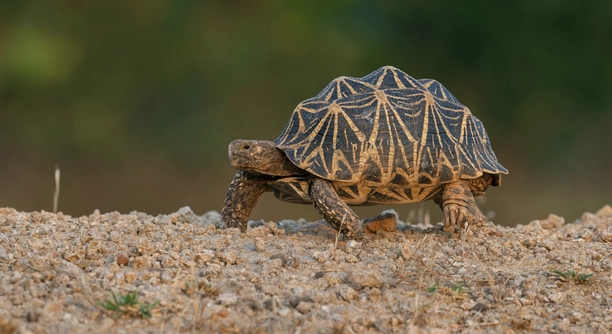
Turtles are unique creatures, and their behavior can sometimes leave us scratching our heads. One behavior that might stand out is kicking at their shells. If your turtle is exhibiting this strange action, it could be a sign of something important.
Turtles may kick at their shells due to stress, discomfort, or a natural instinct. They might be adjusting their position or trying to scratch an itch. In some cases, it could also signal issues with their environment or health.
Understanding why your turtle is kicking its shell can help you provide a better living space for your pet. Exploring the possible causes will give you the tools to ensure their well-being and comfort.
Why Is My Turtle Kicking at Its Shell?
Turtles often kick or scratch at their shells as a natural part of their behavior. This might happen when they are trying to reposition themselves or when they feel a physical discomfort. It could also be an attempt to remove something stuck on their shell. Sometimes, turtles may show this behavior if they are feeling stressed or unsettled in their environment. For example, if their habitat is too small or not set up properly, they may start showing signs of anxiety through behaviors like kicking at their shells. It’s essential to observe the turtle’s overall health and surroundings to pinpoint what could be causing this reaction.
Although it can seem strange, this behavior is typically not alarming. It is a common reaction and often doesn’t indicate anything serious. However, knowing the signs and potential causes can help in creating a more comfortable and safe environment for your turtle.
By providing a proper habitat, a stress-free environment, and regular health checks, you can reduce the chances of this behavior becoming an issue. Taking these simple steps will help ensure that your turtle remains healthy and content in its space.
Is My Turtle in Pain?
Turtles may also kick at their shells due to physical discomfort. This could be caused by an injury or irritation on the shell. If there are cuts, scratches, or growths on the shell, it could be uncomfortable for the turtle to move normally, leading to kicking or scratching.
Check for any visible damage to the shell and monitor if the behavior continues. If the turtle seems to be in pain or struggling to move, it’s important to consult a veterinarian. Regular care and attention will help to spot any health issues early. If your turtle has been involved in an accident or rough handling, there could be an underlying injury causing this response. Make sure the turtle’s shell is intact and free of parasites, which may also lead to discomfort. Keeping the shell clean and ensuring that the environment is free from sharp objects will also help minimize the risk of injury. If there’s any sign of damage or infection, immediate attention is required to prevent further complications.
Stress and Anxiety
Stress can be a major factor in why a turtle kicks at its shell. It may feel uneasy if its environment isn’t ideal. Factors such as loud noises, bright lights, or sudden movements can make a turtle nervous and lead to stress-induced behaviors.
A stressed turtle might exhibit other signs, like hiding, pacing, or eating less. To reduce stress, provide a quiet and calm space for your turtle. Ensure that the tank has a proper temperature and humidity level, as these are essential for the turtle’s comfort. If there are other pets in the vicinity, try to minimize their impact on the turtle’s space. By making adjustments to its environment, you can help reduce the likelihood of stress. Over time, these changes will help the turtle feel more secure.
Turtles can also experience anxiety from being handled too often. While they may seem like calm creatures, constant handling can cause them to feel trapped and uncomfortable. Limit interactions to avoid overwhelming your pet. This simple change can make a big difference in reducing their stress levels and the amount of time they spend kicking at their shell.
Shell Problems
Kicking at the shell could indicate a problem with the shell itself. Turtles’ shells need to be cared for properly. If there are cracks, wounds, or fungus, the turtle may try to relieve discomfort by kicking or scratching.
Look for any visible signs of damage, like cuts, scabs, or discolored spots on the shell. If you notice any, the turtle might be trying to get relief from the discomfort. If the shell looks unhealthy, consult a vet right away. Shell problems can lead to more severe issues if left untreated, like infections or shell rot. Keep the tank clean, and avoid rough handling, as both can harm the shell. Maintaining a proper diet rich in calcium will also help the turtle keep its shell strong and healthy.
Treating shell issues early on is important to prevent complications. If the shell has injuries or signs of infection, getting professional help will ensure the best recovery for your turtle. Prompt treatment and careful management of the environment are key in helping your turtle feel comfortable again.
Improper Tank Conditions
Turtles are sensitive to their living conditions. If the tank is too small, too crowded, or improperly equipped, it can make them feel stressed and uncomfortable. This can lead to them kicking at their shell in frustration.
Check that the tank has enough space for your turtle to move around comfortably. If it’s overcrowded, consider getting a larger tank. Ensure that the water quality is maintained and the temperature is within the right range. Poor conditions can lead to health problems and behavioral issues, so a suitable environment is key.
Habitat Enrichment
A lack of enrichment in the tank could also contribute to a turtle kicking its shell. Turtles need more than just space and water—they require places to hide, climb, and explore. Without stimulation, they might become bored or anxious, leading to repetitive behaviors like kicking.
Adding plants, rocks, or even a basking platform will help the turtle feel more secure and engaged in its habitat. These elements mimic a natural environment and give the turtle more opportunities for exercise and mental stimulation. Over time, providing enrichment will lead to a happier, healthier pet.
Overfeeding
Overfeeding can also cause issues with your turtle. If a turtle is fed too much or too often, it might not have enough space to move around in the tank, and that discomfort can lead to shell-kicking.
FAQ
Why is my turtle kicking at its shell?
Turtles may kick at their shells due to various reasons, including discomfort, stress, or a natural instinct to scratch or reposition. If the behavior is frequent, it might indicate that the turtle is feeling anxious or irritated. Environmental factors like temperature, water quality, or space may also influence this behavior. It’s important to observe your turtle’s overall behavior and living conditions to identify the cause. If the kicking seems excessive, check for injuries on the shell, or consider if the turtle is under stress from its environment.
Is it normal for turtles to kick at their shells?
Yes, occasional kicking at the shell is normal. Turtles sometimes need to adjust their position or scratch an itch, and this can result in them kicking at their shells. However, if the behavior becomes persistent or aggressive, it may signal something more significant, like stress or physical discomfort. It’s essential to monitor the turtle and ensure it’s in a healthy environment.
How can I stop my turtle from kicking at its shell?
To stop your turtle from kicking at its shell, begin by ensuring its habitat is comfortable. Check the tank size, temperature, and water quality. Make sure it has enough space to move around. Reduce stressors by keeping the environment calm, quiet, and free from sudden changes. Additionally, monitor the turtle for any signs of shell injury or discomfort that might be causing the behavior.
Could my turtle be kicking at its shell due to an injury?
Yes, turtles may kick at their shells if they are injured. Shells can become cracked, scratched, or infected, which may lead to discomfort. If your turtle’s shell shows any signs of damage, such as visible cracks, cuts, or discoloration, it’s best to consult a vet for proper treatment. Keeping the shell clean and checking regularly for damage can help prevent such issues.
How do I know if my turtle’s shell is damaged?
Look for any visible signs like cracks, chips, or abnormal growths. If the shell looks soft or has a foul odor, this could be a sign of rot or infection. Also, check for discoloration or any unusual spots on the shell’s surface. If you notice anything concerning, it’s crucial to seek professional help. A healthy shell should be hard, smooth, and free from irregularities.
Can stress cause my turtle to kick at its shell?
Yes, stress can cause a turtle to act out in various ways, including kicking at its shell. Stress might come from poor tank conditions, changes in the environment, loud noises, or overcrowding. It’s essential to create a calm, stable space for your turtle. Provide enough hiding spots, appropriate water conditions, and a suitable basking area to reduce stress.
Should I be concerned if my turtle kicks at its shell occasionally?
Occasional shell-kicking is not usually something to worry about. Turtles sometimes perform this behavior as part of their natural movements, such as repositioning or scratching. However, if it becomes excessive or seems linked to other abnormal behaviors, it’s worth investigating further. Keep an eye on your turtle’s overall health and environment to ensure there is no underlying issue.
How can I reduce stress in my turtle’s environment?
To reduce stress in your turtle’s environment, ensure the tank is the right size and equipped with the necessary heating and lighting. Avoid placing the tank in high-traffic areas with constant noise. Include plants, rocks, or hiding spots to give your turtle a sense of security. Regularly clean the tank and maintain proper water conditions to prevent stress from deteriorating the turtle’s health.
Can my turtle kick at its shell because it’s bored?
Yes, turtles can get bored if their environment lacks stimulation. They are curious animals and need mental and physical challenges to stay engaged. Adding items like rocks, plants, or a basking platform can give them a reason to explore and move. Without sufficient enrichment, your turtle may resort to repetitive behaviors, such as kicking at its shell, out of boredom or frustration.
How often should I clean my turtle’s shell?
You should clean your turtle’s shell regularly to prevent any buildup of dirt or algae. A gentle scrub with a soft brush and warm water is often enough. Avoid using any harsh chemicals, as they could damage the shell. Regular cleaning ensures that your turtle’s shell remains healthy and reduces the risk of infections that might lead to shell discomfort or kicking behavior.
What are the signs that my turtle’s shell might be infected?
Signs of an infected shell can include a foul smell, soft spots, swelling, or discoloration. If the shell feels unusually soft or seems to have a greenish or brownish growth, it might be infected. Infections can occur if the shell is injured or not properly cared for, so if you notice any of these symptoms, it’s best to seek professional veterinary care immediately.
How can I prevent shell infections in my turtle?
Preventing shell infections involves maintaining good tank hygiene and ensuring that your turtle’s shell remains intact. Clean the tank regularly, and avoid rough handling. Ensure that the turtle has access to clean water and a dry basking area where it can dry off completely. Providing a balanced diet with enough calcium will also help keep the shell strong and healthy. Regular checks for signs of injury or infection will allow you to catch any problems early.
Does a turtle’s diet affect its shell health?
Yes, a turtle’s diet plays a significant role in the health of its shell. A diet lacking essential nutrients, like calcium and vitamin D3, can lead to shell deformities and weakness. Make sure your turtle is eating a balanced diet with the right amount of leafy greens, aquatic plants, and calcium-rich foods, like cuttlebone or calcium supplements, if necessary. Proper nutrition supports shell growth and helps prevent injuries and infections.
Can water quality affect my turtle’s behavior?
Yes, poor water quality can affect both the health and behavior of your turtle. Dirty or contaminated water can lead to skin or shell infections, which might cause discomfort and, in turn, result in behaviors like kicking at the shell. Maintain a clean tank by performing regular water changes and using a good filtration system to ensure the water stays clean and safe for your turtle.
Is my turtle kicking because it’s trying to escape the tank?
Turtles may kick at their shells if they feel confined or trapped. They are naturally curious creatures and may attempt to explore their surroundings. If the tank is too small or lacks sufficient stimulation, your turtle may become frustrated and show behaviors like shell-kicking. Providing a larger tank with adequate enrichment will help prevent escape attempts and reduce the chances of stress-related behaviors.
Final Thoughts
Turtles are fascinating creatures, and their behavior can often leave us wondering about their needs and emotions. If you notice your turtle kicking at its shell, it’s important to take a closer look at their environment and overall health. While this behavior is not always a cause for concern, it can sometimes indicate stress, discomfort, or an underlying health issue. By paying attention to your turtle’s habits and surroundings, you can better understand what might be causing the kicking and take steps to address it.
Ensuring that your turtle’s habitat is comfortable and safe is key. Turtles need plenty of space, clean water, proper lighting, and the right temperature to feel secure. Stressful situations, like loud noises, overcrowded tanks, or poor water quality, can lead to anxiety, which might cause your turtle to exhibit unusual behaviors. Adding enrichment to the tank, like hiding spots or climbing structures, can help reduce boredom and encourage natural behaviors. These small adjustments can go a long way in improving your turtle’s well-being.
If the kicking persists or is accompanied by signs of injury or illness, it’s a good idea to consult a veterinarian. Shell damage, infections, or nutritional deficiencies could be contributing to the behavior. Taking proactive steps, like regular shell cleaning, providing a balanced diet, and monitoring for any signs of injury or discomfort, will help keep your turtle happy and healthy. With the right care and attention, you can ensure that your turtle leads a comfortable and fulfilling life.

Hello,
If you enjoy the content that we create, please consider saying a "Thank You!" by leaving a tip.
Every little bit helps us continue crafting quality advice that supports the health, happiness, and well-being of pets around the world, for pets of all shapes, sizes, and species.
We really appreciate the kindness and support that you show us!