
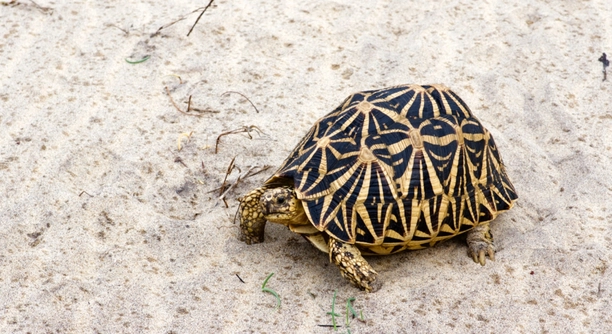
Turtles are fascinating creatures, and observing their behavior can be quite entertaining. If you have a pet turtle, you may have noticed it sticking its head out of the water frequently.
This behavior is often a sign that your turtle is breathing air, a normal action for most species. Turtles, unlike fish, need to surface periodically for oxygen. The frequency may vary depending on the species, water temperature, and health.
Understanding why your turtle engages in this behavior will help you ensure a suitable environment for it to thrive. This article will explore possible reasons and tips for creating the ideal habitat for your turtle’s well-being.
Turtles Need to Breathe Air
Turtles, unlike fish, need to breathe air, which explains why they often stick their heads out of the water. They have lungs, so while they can hold their breath for a while, they still need to surface to take in oxygen. Some species may stay underwater for long periods, but they will eventually need to come up for a breath. The amount of time a turtle can stay submerged depends on factors like its age, activity level, and water temperature.
However, if your turtle is consistently sticking its head out of the water, it may be a sign that something isn’t right. Keep an eye on how often it surfaces. If it’s happening more than usual or if it seems to be gasping for air, it could be a health concern that needs attention.
If your turtle is constantly poking its head above the water, it may be related to environmental factors such as poor water quality, temperature issues, or even respiratory problems. Ensuring your turtle has a clean tank, proper filtration, and a suitable temperature range can help improve its comfort and breathing. Also, make sure the water is deep enough for your turtle to dive and stay submerged, as some species enjoy swimming and will try to stay underwater for longer. If the water is too shallow, your turtle may simply be struggling to find the right balance.
Water Quality and Health Factors
Another possible reason for frequent head popping is water quality. Turtles are very sensitive to the cleanliness of their environment. Dirty water can cause stress, leading them to surface more often. It’s important to maintain proper filtration, clean the tank regularly, and perform water changes as needed.
If water quality is not the issue, you may want to observe your turtle for signs of illness. Respiratory infections or other health problems can cause abnormal behavior. If you notice labored breathing, lethargy, or a lack of appetite, it may be time to consult a vet. Respiratory issues are common in turtles kept in unclean environments, so checking the water quality frequently is essential for their overall well-being.
Temperature Matters
Turtles are cold-blooded, meaning they rely on their environment to regulate body temperature. If the water is too cold, they may become sluggish and need to surface more often to breathe. This behavior can be a sign that they are struggling to stay warm.
Maintaining the right water temperature is crucial for your turtle’s health. Generally, the water temperature should be between 75°F and 85°F (24°C to 29°C), depending on the species. If the water is colder than recommended, it can slow down their metabolism and cause them to surface more than usual. A water heater can help maintain a steady temperature, but be careful not to overheat the water.
Proper basking spots are equally important. Your turtle needs a place where it can warm up outside of the water. A basking lamp with the appropriate temperature range will encourage your turtle to regulate its body temperature. If your turtle’s basking spot is too cool or missing altogether, it may affect how often it comes to the surface.
Tank Size and Depth
If your tank is too small or shallow, it might be limiting your turtle’s ability to swim and submerge fully. Turtles are naturally inclined to dive and explore deeper areas, so a shallow tank may lead them to spend more time sticking their heads out of the water.
A tank that is too small can also create an uncomfortable environment for your turtle, leading to increased stress. Stress may cause them to act out, including surfacing more frequently. A tank that provides enough space allows your turtle to swim freely, helping them feel more secure and less likely to remain near the surface. A larger tank gives them more room to move and find areas to dive and relax.
The depth of the water is also key. Your turtle should be able to swim comfortably beneath the surface without feeling cramped. If your tank is too shallow, the turtle may constantly feel the need to raise its head for air, which could disrupt its natural behavior.
Health Issues
If your turtle is frequently sticking its head out of the water, it could be dealing with a health issue. Respiratory infections or other illnesses can make it harder for them to breathe properly, causing them to surface more often.
Infections often show other signs like swelling, discharge from the eyes or nose, and a lack of appetite. If you notice any of these symptoms along with excessive head poking, it’s a good idea to take your turtle to a vet. Health issues can worsen quickly, so early treatment is crucial for a speedy recovery.
Feeding Habits
Sometimes, turtles stick their heads out of the water when they’re hungry. If they haven’t eaten enough or are looking for food, they may surface more frequently, hoping to catch your attention.
If your turtle is consistently hungry, it might be a sign that its diet needs adjusting. Make sure you are feeding your turtle the right kind of food and in the right amount. A well-balanced diet helps your turtle stay healthy and may reduce the need to surface for food.
Tank Cleanliness
Turtles need a clean environment to thrive. Poor water quality can lead to stress and respiratory issues, both of which can make your turtle surface more often. If your turtle is consistently sticking its head out of the water, it could be a sign that the tank is not as clean as it should be.
FAQ
Why does my turtle keep sticking its head out of the water?
Turtles often stick their heads out of the water because they need to breathe air. Unlike fish, turtles have lungs and cannot extract oxygen from water. They surface regularly to inhale. This behavior is completely normal, but excessive head-poking might indicate other factors, like water temperature or tank cleanliness. If the turtle is doing this more than usual, it could also signal a health issue, such as a respiratory infection.
How often should my turtle come up for air?
The frequency at which a turtle comes up for air depends on its species, activity level, and water temperature. Generally, a turtle will surface every 20 minutes to an hour for a breath. If your turtle is coming up more frequently, it could indicate environmental or health problems, like poor water quality or temperature imbalances. Keep track of how often it surfaces, and make adjustments as needed to ensure a comfortable habitat.
Can my turtle drown?
While turtles are strong swimmers, they can drown if they are unable to reach the surface for air. This is often the result of a shallow tank, poor water quality, or illness. Ensure your turtle has access to deep water where it can swim and breathe without difficulty. If it has difficulty reaching the surface, it may struggle to stay underwater for too long.
What is the ideal water temperature for my turtle?
The water temperature for most turtles should be between 75°F and 85°F (24°C to 29°C). If the water is too cold, your turtle may have trouble swimming and will need to surface more often to breathe. Too warm of water can also be harmful, leading to stress and possible illness. Use a water heater to maintain a steady temperature and monitor it regularly.
How do I know if my turtle is sick?
Signs that your turtle may be sick include lethargy, labored breathing, lack of appetite, or unusual behavior, like sticking its head out of the water more often than usual. If your turtle is showing any of these symptoms, it’s important to visit a vet. Respiratory infections are common in turtles, especially in poor tank conditions.
Why is my turtle always at the surface of the water?
Turtles may spend a lot of time at the surface if the water is too shallow, they are not getting enough oxygen, or they are stressed. Shallow water prevents them from swimming freely, and they may remain near the surface to breathe. Ensure your tank is deep enough to accommodate your turtle’s natural swimming habits. Regular tank cleaning and proper filtration can also help reduce stress.
Can a turtle go without food for a while?
Turtles can go without food for a period, but it varies depending on age and species. Healthy adult turtles can survive for weeks without food, especially if they have access to water. However, young turtles need to eat more regularly. If your turtle is not eating, it could be stressed or ill, and you should monitor its behavior carefully.
Why is my turtle not eating?
There are several reasons why your turtle might not be eating, including water temperature issues, stress, or illness. Ensure your turtle’s environment is suitable, with clean water, the right temperature, and enough space. Stress from poor tank conditions or tank mates can also cause a loss of appetite. If the turtle continues to refuse food for an extended period, consult a vet.
How deep should the water be for my turtle?
The water depth should be enough to allow your turtle to swim freely. Generally, a depth of 12 inches (30 cm) is ideal for smaller turtles, while larger species may need deeper tanks. Ensure that the water is deep enough to let your turtle submerge and swim, but shallow enough for it to easily surface for air when needed.
Is it normal for my turtle to bask?
Yes, it is completely normal for turtles to bask. They need a basking spot with access to heat and UV light to regulate their body temperature and metabolize certain nutrients, especially vitamin D. Without proper basking conditions, your turtle may become lethargic or even sick. Provide a basking area with a lamp to ensure your turtle stays healthy.
How do I clean my turtle’s tank?
Cleaning your turtle’s tank is essential for its health. Remove uneaten food and waste regularly, and change about 25% of the water each week. Use a water filter to keep the tank clean, but also perform periodic deep cleanings. Scrub the sides of the tank, remove debris, and replace any soiled substrate to maintain a healthy environment.
Can I keep more than one turtle together?
You can keep multiple turtles together, but be cautious. Turtles can be territorial and may fight, especially if they feel crowded or stressed. If you keep more than one turtle, make sure they have enough space, basking spots, and swimming areas to reduce conflict. Some species are more social than others, so research the specific needs of the turtles you plan to house together.
Why does my turtle’s shell look different?
Changes in your turtle’s shell can be caused by poor diet, illness, or environmental stress. A healthy shell should be smooth and intact. If you notice discoloration, soft spots, or cracks, it could be a sign of nutritional deficiencies or shell rot. Ensure your turtle is eating a balanced diet rich in calcium and UV light exposure for proper shell health.
Do turtles need UV light?
Yes, turtles need UV light to synthesize vitamin D, which helps them absorb calcium. Without proper UVB lighting, turtles can develop shell problems, bone deformities, or other health issues. A UVB lamp should be placed over the turtle’s basking area to provide the necessary exposure. Make sure the light is replaced regularly, as its effectiveness diminishes over time.
How often should I change my turtle’s water?
Change 25-50% of your turtle’s water each week to keep it clean and healthy. The frequency may vary depending on the size of the tank, the number of turtles, and the water filter’s efficiency. If you have a large tank or an effective filtration system, you can change the water less frequently. Always ensure the water is free from harmful toxins, bacteria, or debris.
Final Thoughts
Understanding why your turtle keeps sticking its head out of the water can help ensure its well-being. While this behavior is often a natural part of being a turtle, it can sometimes signal an issue with the tank environment or health concerns. Turtles need to breathe air, and surfacing regularly is part of their normal routine. However, if the behavior becomes excessive, it’s important to examine factors like water temperature, tank size, cleanliness, and overall health. Making sure the water is at the right temperature and clean is crucial for their comfort and safety.
When considering the health of your turtle, don’t overlook the importance of proper care. Respiratory infections or other health problems can affect how often they surface for air. If your turtle is showing signs of distress, like gasping or lethargy, it’s essential to consult with a vet. Regularly cleaning your turtle’s tank, maintaining the correct water depth, and providing a basking area with appropriate lighting will help create a healthier environment. A well-kept tank and appropriate temperature will reduce the need for your turtle to surface as much.
Keeping a close eye on your turtle’s behavior and tank conditions can help prevent problems from getting worse. If you notice changes in their behavior, such as excessive head-poking, it’s always a good idea to check their habitat and consult a professional if needed. By addressing these factors, you ensure that your turtle remains happy and healthy for years to come. A little extra care and attention to detail can go a long way in creating a comfortable home for your turtle.

Hello,
If you enjoy the content that we create, please consider saying a "Thank You!" by leaving a tip.
Every little bit helps us continue crafting quality advice that supports the health, happiness, and well-being of pets around the world, for pets of all shapes, sizes, and species.
We really appreciate the kindness and support that you show us!