
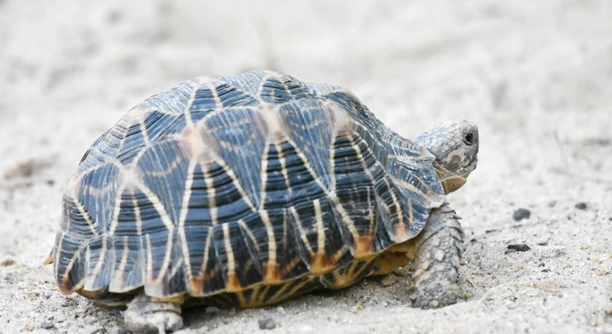
Turtles are fascinating pets, but maintaining their comfort can sometimes be tricky. One important aspect is ensuring they aren’t exposed to excessive heat. Understanding how to recognize signs of overheating in your turtle is essential for their health.
The most common way to determine if your turtle is too hot is by observing its behavior. If your turtle is excessively basking, lethargic, or swimming erratically, these could be signs of heat stress. It’s crucial to adjust their environment accordingly.
By keeping an eye on these signs, you can ensure your turtle remains comfortable. Proper adjustments will help maintain a healthy environment for your pet, leading to long-term wellbeing.
How to Spot Overheating in Your Turtle
When a turtle is exposed to heat for too long, it can become stressed. Overheating can cause a number of health issues, from dehydration to organ failure if not addressed. It’s crucial to monitor your turtle’s behavior and environment regularly. Turtles rely on the temperature of their surroundings to regulate their body heat. Too much heat can lead to lethargy, skin problems, or even heatstroke. In the wild, turtles can move between sun and shade, but in captivity, they depend on their environment. If the basking area is too hot, they may have nowhere to escape.
One of the first signs of overheating is when your turtle stays in the water for extended periods. This behavior is usually a sign that they are trying to cool down. Additionally, turtles that are too hot may become less active or hide away in their shelter to escape the heat. If these signs appear, it’s time to adjust their setup.
Ensure that the basking spot has the proper temperature range for your turtle species. Providing a cooler area can help prevent overheating. It’s important to have a temperature gradient in the enclosure, where your turtle can choose to move to a cooler spot if needed. If your turtle appears overheated despite these adjustments, you may need to use fans or cooling mats to help regulate the heat. Keeping your turtle hydrated and monitoring the temperature regularly will reduce the risk of overheating.
The Role of Water Temperature in Heat Stress
Water temperature is just as important as the basking area. If the water is too warm, it can lead to distress. Maintaining the right balance helps your turtle stay healthy and comfortable.
Temperature Fluctuations in the Enclosure
Fluctuating temperatures in your turtle’s enclosure can lead to stress. If the temperature changes rapidly between day and night, it may cause your turtle discomfort. Turtles need a consistent temperature to feel secure and healthy.
Inconsistent temperatures can cause confusion for your turtle, disrupting its daily cycle. When the heat in their environment fluctuates too much, they might not know when to bask or retreat to the cooler areas. Maintaining a steady temperature range is key to ensuring your turtle stays comfortable. The basking area should be consistently warm, while the water area needs to remain cool enough for swimming and resting.
To maintain steady temperatures, invest in a reliable thermometer and a heating lamp that suits your turtle’s needs. Additionally, controlling the temperature at night is just as important. Using a timer for your heat source can help regulate the temperature and prevent overheating during the nighttime when ambient heat may drop.
Signs Your Turtle Needs to Cool Down
If your turtle is displaying signs of heat stress, it’s time to adjust the setup. These signs are often clear and should not be ignored. If your turtle is overly active in the water or refuses to bask, it could indicate overheating.
In many cases, turtles that are too hot will appear agitated or anxious. You might notice that they are swimming frantically or pacing. If your turtle is refusing to bask or seems lethargic, these could also be signs of heat stress. Watch for any changes in their appetite or behavior. If they stop eating or are more sluggish than usual, it may be time to reassess their environment. Providing a cooler area and checking their water temperature can help them recover.
Paying close attention to your turtle’s behavior will allow you to act quickly if heat stress occurs. Cooling down their environment and offering fresh water can make a difference in bringing them back to their normal behavior.
Proper Basking Spot Temperature
The basking spot should be warm enough for your turtle to regulate its body heat. However, it shouldn’t be too hot. If the basking area exceeds the proper temperature, your turtle may become stressed or dehydrated.
Check the temperature of the basking spot frequently. Ideally, it should range from 85 to 90°F, depending on your turtle species. A higher temperature can lead to overheating, so ensure it stays within the recommended range. You can use a basking lamp with a dimmer to adjust the temperature if needed. Make sure the turtle can easily leave the basking area if it feels too hot.
Water Quality and Temperature Control
Water quality is essential for your turtle’s overall well-being, and it plays a role in preventing overheating. If the water becomes too warm, your turtle might have trouble cooling down.
Using a water heater with a thermostat ensures the water stays within the right temperature range. For most turtles, the water temperature should be between 72 and 80°F. You should also regularly clean the water to avoid bacteria buildup, which can make your turtle uncomfortable and stressed. Keeping the water temperature stable is key to maintaining a healthy environment for your turtle.
The Importance of Shade
Provide a shaded area in the enclosure so your turtle has the option to cool down when needed. If there is no shaded area, your turtle will likely become overheated.
FAQ
How do I know if my turtle is too hot?
If your turtle is too hot, it will show certain behaviors like excessive basking, lethargy, or staying in the water for long periods. If your turtle becomes restless or refuses to bask, it might be trying to cool off. Heat stress can also cause your turtle to be less active and stop eating. Pay attention to your turtle’s usual behavior and make adjustments to the environment as needed.
What temperature should the basking area be for my turtle?
The basking area should typically be between 85 to 90°F. However, the ideal temperature can vary depending on the species of your turtle. Some turtles require slightly higher or lower temperatures, so it’s important to research the specific needs of your pet. A basking light with a dimmer can help you adjust the temperature accordingly.
Can a turtle survive in water that is too hot?
No, a turtle cannot thrive in water that is too hot. If the water exceeds the recommended temperature range, typically between 72 and 80°F, your turtle may experience heat stress or even heatstroke. Hot water can also affect their ability to digest food properly, and it can lead to other health issues. Ensure the water temperature stays within the safe range to keep your turtle comfortable.
How do I cool down my turtle’s enclosure?
If you notice signs of overheating, there are several ways to cool down your turtle’s enclosure. First, adjust the temperature of the basking area by lowering the intensity of the light. Ensure there is a shaded area for your turtle to escape the heat. You can also use fans or place ice packs outside the tank to lower the surrounding temperature. If needed, move the turtle to a separate, cooler tank temporarily.
Why is my turtle staying in the water all the time?
If your turtle is staying in the water, it could be a sign of heat stress. Turtles often submerge themselves in water to escape the heat. It could also be due to the basking area being too hot or uncomfortable. Try adjusting the temperature and offering a cooler space to allow your turtle to regulate its body temperature properly.
How often should I check the temperature of my turtle’s enclosure?
It’s important to check the temperature of your turtle’s enclosure daily. Temperature fluctuations can happen quickly, and regular checks will help you avoid overheating issues. Invest in a reliable thermometer to monitor both the basking area and water temperature. Ensure the temperatures remain stable throughout the day and night.
Can my turtle’s basking light be too hot?
Yes, if the basking light is too close to the basking area or is too strong, it can overheat the space. This can cause your turtle to become overheated or stressed. The basking light should be positioned at an appropriate distance to provide the right warmth without causing the area to become excessively hot. Make adjustments based on your turtle’s needs.
Should I remove the basking light at night?
Yes, it’s important to remove the basking light at night. Turtles need a natural day-night cycle to maintain their biological rhythm. During the night, the basking area should be cooler, and the light should be turned off to allow your turtle to rest in a more suitable environment. Use a separate heat source if the temperature drops too much at night.
How can I prevent my turtle from becoming overheated during the summer?
During the summer, it’s important to keep the turtle’s environment cool. Ensure that the tank is kept in a shaded area away from direct sunlight. You can also use a fan to help with air circulation. Adjust the basking lamp to ensure it isn’t too hot, and consider lowering the water temperature slightly. Regular checks on the tank’s temperature are essential to prevent overheating.
Can I use a cooling mat to help my turtle?
Yes, a cooling mat can be used to help regulate the temperature in your turtle’s enclosure. Cooling mats can provide a cool surface for your turtle to rest on and help lower the overall temperature. Make sure the mat is designed for use with reptiles and is safe for your turtle. Monitor the temperature closely to ensure it doesn’t get too cold.
Final Thoughts
Keeping a turtle in a comfortable and healthy environment is essential for its well-being. Temperature regulation plays a significant role in maintaining that environment. Turtles rely on external heat sources to regulate their body temperature, so ensuring the basking area and water temperature are within the proper range is crucial. Overheating can cause stress and health problems, so always monitor your turtle’s behavior to spot any signs of discomfort. By observing your turtle closely and adjusting the environment accordingly, you can prevent issues before they arise.
It’s important to remember that every turtle species has its own specific temperature needs. While the general range for basking is between 85 to 90°F and the water temperature should stay between 72 and 80°F, these numbers may vary depending on the type of turtle you own. Researching your turtle’s specific requirements will help you create the ideal environment for it. In addition to temperature, make sure the enclosure offers plenty of space, shade, and the right lighting for your turtle to thrive.
If you notice your turtle staying in the water or becoming overly lethargic, it could be a sign that the temperature is not ideal. Adjusting the basking light, ensuring a shaded area is available, or cooling the water slightly can help. As long as you stay proactive about the conditions in your turtle’s habitat, it will live a happy and healthy life. Regular checks and minor adjustments can make a big difference in preventing temperature-related issues. Always ensure your turtle has a place to cool down and a place to bask comfortably for a balanced, stress-free environment.

Hello,
If you enjoy the content that we create, please consider saying a "Thank You!" by leaving a tip.
Every little bit helps us continue crafting quality advice that supports the health, happiness, and well-being of pets around the world, for pets of all shapes, sizes, and species.
We really appreciate the kindness and support that you show us!