
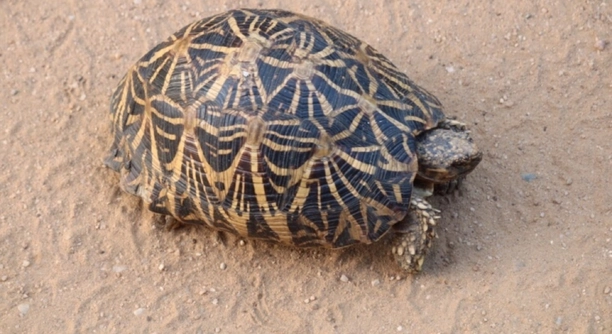
Turtles are beloved pets, but it’s important to monitor their health carefully. One aspect of their well-being that is often overlooked is their weight. Knowing when your turtle may be overweight is key to helping them live a long, healthy life.
Overweight turtles may show signs such as an inability to move freely, visible fat deposits, or difficulty swimming. It’s essential to monitor their diet and exercise regularly to prevent weight-related health problems and ensure their overall well-being.
Being aware of these signs can help you catch any issues early. Keep reading to learn how to identify and manage your turtle’s weight, ensuring they stay happy and healthy.
1. Lack of Physical Activity
Turtles need regular exercise to stay healthy. Without enough activity, they can easily become overweight. Turtles are naturally active, swimming and exploring their habitats. In captivity, they may not get enough space or stimulation, leading to weight gain. If your turtle spends too much time basking or remains inactive for long periods, you might notice them gaining weight.
This lack of movement can affect their metabolism, making it harder for them to burn calories. If your turtle’s tank is too small or lacks features like a ramp for climbing, they might not be getting the exercise they need.
To keep your turtle fit, provide a larger tank with room to swim and explore. You can also encourage physical activity by adding obstacles or hiding food in different places, so they move around more. The more opportunities your turtle has to stay active, the less likely they will gain excessive weight.
2. Overfeeding
Feeding your turtle the wrong amount or type of food can lead to weight gain. Overfeeding is a common issue, especially if you’re offering too many treats or high-fat foods. Turtles, like all animals, need balanced meals, with proper portions.
Turtles can easily gain weight if they are offered food too frequently or if they are given more than they need. It is important to stick to a feeding schedule that aligns with their age, size, and activity level. Overfeeding can cause an increase in stored fat, leading to health issues.
To prevent overfeeding, measure the food you give your turtle and avoid feeding them more than what they can consume in 15-20 minutes. It’s also helpful to stick to a variety of foods, including fresh vegetables, fruits, and protein sources, without going overboard on fatty options.
3. Improper Diet
Feeding your turtle a diet that lacks proper nutrients can also lead to weight gain. Turtles need a balanced diet with the right mix of proteins, greens, and other vitamins. If they eat too many processed or high-fat foods, they can gain unnecessary weight.
A diet rich in fatty foods like too many insects or high-calcium pellets can contribute to weight gain. If your turtle isn’t getting the proper nutrients from their meals, they might end up eating more to feel satisfied. A lack of variety in their diet can also affect their metabolism, making it harder for them to maintain a healthy weight.
To help prevent this, offer a range of foods that provide both protein and plant matter. Fresh leafy greens, such as kale, dandelion greens, and collard greens, should be a staple in their diet. Limit processed foods and focus on variety, ensuring they get the nutrition they need.
4. Medical Conditions
Certain health problems can also lead to weight gain in turtles. Some illnesses or conditions affect their ability to metabolize food, causing them to store more fat than necessary. Common issues include respiratory infections, liver disease, or hormonal imbalances.
These conditions can make it difficult for your turtle to maintain a healthy weight because they might not be able to process their food as effectively. Weight gain may occur even if the turtle’s diet and activity levels are appropriate. If your turtle seems to be gaining weight without changes in diet or exercise, a trip to the vet is necessary.
A professional will help diagnose any underlying health issues and recommend treatment. It’s important to keep a close eye on any unusual changes in behavior, eating habits, or weight, as early detection can help prevent further complications.
5. Limited Access to UVB Light
UVB light is crucial for turtles, as it helps them absorb calcium and regulate their metabolism. Without enough UVB light, turtles may become lethargic and gain weight. Lack of proper lighting can also affect their overall health.
Without sufficient UVB light, turtles may not be able to metabolize their food properly, leading to weight gain. You should ensure that your turtle has access to the right amount of UVB light every day. This can be achieved by placing a UVB bulb in their habitat.
Turtles need 10-12 hours of UVB exposure daily to stay healthy. Without it, they may develop metabolic bone disease, which can affect their digestion and make them more prone to obesity. Regular exposure to UVB light can keep your turtle active and help maintain a healthy weight.
6. Low Water Temperature
Turtles are cold-blooded animals, meaning their body temperature relies on their environment. If the water in their habitat is too cold, it can slow down their metabolism and cause weight gain.
Turtles that live in water that’s too cold may become inactive and have difficulty digesting food, which leads to excess weight. A proper water temperature is necessary for their digestion, activity, and overall health. Aim for a water temperature between 75°F and 80°F (24°C – 27°C) for most species.
To maintain the proper temperature, consider investing in a water heater to ensure your turtle’s environment stays within the ideal range. Keeping the water warm helps your turtle stay active and avoid unnecessary weight gain.
FAQ
How can I tell if my turtle is overweight?
If your turtle is overweight, you may notice that it struggles to move around as easily as before. You might see visible fat deposits around the legs, neck, or tail. Another sign is when your turtle has difficulty swimming or lacks the energy it used to have. You can also check the shell for any abnormal shape or softness that could indicate excess weight affecting its health.
What should I do if I think my turtle is overweight?
The first step is to adjust your turtle’s diet by offering a balanced, varied meal plan with appropriate portions. Ensure that their tank is large enough for proper movement and provides opportunities for exercise. You may need to consult a vet to rule out any underlying health issues and get a tailored care plan.
How much food should I be giving my turtle?
Turtles should be fed based on their age, species, and activity level. Generally, offer your turtle a portion of food that they can consume in 15-20 minutes. Overfeeding can lead to obesity, so it’s best to stick to a feeding schedule and avoid giving extra treats. Fresh vegetables should make up a large part of their diet.
Can I overfeed my turtle with vegetables?
While vegetables are a healthy choice, overfeeding them can still lead to weight gain. Be mindful of how much you offer and ensure a variety of veggies. Some vegetables, like lettuce, are lower in nutrients, so make sure you’re providing nutrient-rich options like kale, dandelion greens, and collard greens.
How does water temperature affect my turtle’s weight?
If the water temperature is too cold, your turtle’s metabolism can slow down, making it harder for them to process food and burn calories. This can result in weight gain. Ensure the water temperature stays between 75°F and 80°F (24°C – 27°C), as it promotes proper digestion and helps keep your turtle active.
Is it okay for my turtle to have a lot of protein?
While protein is an important part of a turtle’s diet, too much of it can lead to weight gain, especially if your turtle isn’t getting enough exercise. Offer protein sources like insects and fish in moderation, along with a good balance of greens and vegetables to maintain their overall health.
How do I know if my turtle has a medical condition causing weight gain?
If you notice unexplained weight gain in your turtle, along with changes in behavior such as lethargy or difficulty moving, it may be a sign of an underlying medical condition. Common issues like metabolic bone disease or respiratory infections can impact their weight. A vet visit is essential for diagnosis and treatment.
Can my turtle’s shell shape change if it becomes overweight?
Yes, excessive weight can cause the shell to change shape, becoming softer or more misshapen. This is often a result of improper nutrition or lack of exercise. It’s important to monitor your turtle’s weight regularly and adjust their care routine to prevent any long-term shell damage.
How often should I check my turtle’s weight?
You don’t need to weigh your turtle every day, but it’s a good idea to monitor their weight regularly, especially if you notice changes in behavior or appearance. You can keep track of their weight every few weeks and take note of any sudden fluctuations, which may indicate weight-related issues.
Can a turtle lose weight if it’s overweight?
Yes, a turtle can lose weight through proper diet and exercise. Reducing food intake while providing a balanced diet and ensuring regular physical activity will help your turtle shed excess weight. It may take some time, but with the right adjustments, your turtle can return to a healthy weight.
Should I avoid feeding my turtle certain foods to prevent weight gain?
Yes, avoid feeding your turtle high-fat foods like fatty fish, processed pellets, or excessive amounts of fruit. These foods can lead to weight gain. Instead, focus on low-calorie, nutrient-rich options like leafy greens, water plants, and occasional protein sources in moderation. Regular portion control is key.
Can my turtle lose weight without exercise?
Exercise is a crucial part of weight loss for turtles, as it helps boost metabolism and burn calories. Without exercise, it’s much harder for your turtle to lose weight, even with a controlled diet. Providing a large tank for swimming, obstacles for climbing, and time outside the water can help.
Can baby turtles become overweight?
Yes, baby turtles can become overweight if they are overfed or not given enough space to move around. Baby turtles need a proper balance of food and regular opportunities to exercise. Be sure to feed them smaller portions more frequently and offer a variety of food sources to support healthy growth.
Final Thoughts
Taking care of a turtle involves more than just feeding them. Understanding their needs and ensuring they have the right environment is key to keeping them healthy. If your turtle becomes overweight, it’s important to make adjustments to their diet, exercise routine, and habitat. It might require a bit of effort, but addressing the issue early can prevent long-term health problems.
The key to maintaining a healthy weight for your turtle is balance. Regular exercise is essential, and providing them with space to swim and explore helps keep them active. Along with that, their diet should be varied and nutrient-rich, but not overfed. Keeping track of their portions and avoiding excessive treats is essential to prevent unnecessary weight gain. Offering the right mix of vegetables, proteins, and occasional treats helps maintain their health.
Lastly, if you notice that your turtle is still gaining weight despite proper care, it could be a sign of an underlying health issue. In this case, seeking advice from a vet is the best way to ensure your turtle’s well-being. Addressing any medical problems early can make a big difference. By paying attention to these factors, you can help your turtle live a long, healthy life.

Hello,
If you enjoy the content that we create, please consider saying a "Thank You!" by leaving a tip.
Every little bit helps us continue crafting quality advice that supports the health, happiness, and well-being of pets around the world, for pets of all shapes, sizes, and species.
We really appreciate the kindness and support that you show us!