
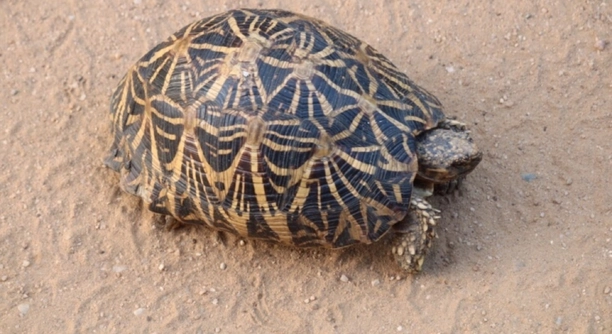
Turtles are fascinating creatures, and many of us love having them as pets. But when a turtle isn’t growing as expected, it can be concerning. Understanding the reasons behind stunted growth can help you provide the best care for your pet.
The most common reasons for a turtle not growing properly include improper diet, inadequate lighting, and insufficient space. A balanced diet, proper UVB lighting, and a spacious tank are essential for their overall growth and health.
There are a few factors to consider that may be affecting your turtle’s development. By addressing these issues, you can support your turtle’s growth and ensure it remains healthy.
Why Diet Matters for Turtle Growth
A turtle’s diet plays a huge role in its growth. If your turtle isn’t getting the right nutrition, it may struggle to grow properly. They need a varied diet that includes both animal protein and plant matter, such as insects, fish, leafy greens, and other veggies. Too much of one thing, like protein or greens, can throw off their balance and hinder growth. It’s important to feed your turtle a mix of food to provide all the nutrients they need. You should also make sure to avoid overfeeding, as this can lead to obesity and other health problems.
To help your turtle grow, provide high-quality commercial turtle food in addition to fresh foods. This mix ensures that they get the necessary vitamins and minerals for strong bones and healthy growth. Calcium is particularly important, so make sure they have a proper source of it.
Feeding your turtle the right foods at the right time can make a significant difference in their growth. Always remember to adjust their diet based on their age and size, as young turtles require more protein to develop properly. Keeping their meals varied and nutritious will set them up for long-term health.
Importance of Proper Lighting
Turtles need UVB light to help them absorb calcium and grow. Without it, they can develop soft shells and other health problems.
Proper lighting is crucial to a turtle’s health and growth. UVB lighting simulates natural sunlight, helping turtles synthesize vitamin D3, which is essential for calcium absorption. Without UVB light, turtles can suffer from metabolic bone disease, affecting their growth and overall well-being. It’s also necessary to provide both basking and UVB light to ensure your turtle is getting all the nutrients it needs.
Make sure to set up a lighting system with a proper UVB bulb designed for reptiles. The bulb should be replaced every 6 months, as it loses effectiveness over time. Position the light so your turtle can bask under it comfortably. Regular exposure to UVB light helps keep your turtle’s bones strong and aids in healthy growth.
The Impact of Tank Size on Growth
A cramped tank can stunt your turtle’s growth. Turtles need enough space to move around and explore to stay healthy. If their tank is too small, they might not get the exercise they need, which can lead to slower growth.
Providing a tank that is large enough for your turtle to swim freely is essential for its development. Turtles require space to swim, bask, and hide. A tank that’s too small can lead to stress and discomfort, affecting their overall health and growth. The recommended tank size is usually 40 gallons for one turtle, with more space needed for multiple turtles.
As your turtle grows, it will require more space. Ensure that the tank has enough water volume, a proper filter, and areas for your turtle to bask. Keeping the environment clean is just as important, as dirty water can lead to health problems that will affect growth.
Water Temperature and Its Effects
Water temperature can directly impact your turtle’s metabolism and growth rate. Too cold, and they won’t digest food properly. Too warm, and they may become lethargic.
Maintaining a consistent water temperature between 75°F to 85°F is ideal for most freshwater turtles. If the water is too cold, it can slow down their digestion, causing them to eat less, which affects their growth. On the other hand, very warm water can make them sluggish and decrease their appetite, also hindering growth.
Use a reliable water heater to regulate the tank temperature, making sure to monitor it regularly. It’s crucial to have a thermometer to avoid fluctuations. Proper water temperature helps your turtle digest food efficiently and stay active, leading to healthier and faster growth.
Health Problems That Affect Growth
Sometimes, health issues can slow your turtle’s growth. Conditions like metabolic bone disease or respiratory infections are common reasons for growth issues. These can make your turtle weak, less active, and unable to grow properly.
If you notice your turtle showing signs of illness, such as lack of appetite or unusual behavior, it’s essential to take them to a vet. Early intervention can prevent long-term damage and help your turtle grow. Regular health checks are important to ensure they’re developing well.
Monitoring your turtle’s health is just as crucial as providing the right environment. Keeping an eye out for changes in behavior or physical appearance can help catch problems early, improving their chances for a full recovery and healthy growth.
The Role of Humidity in Growth
Humidity is another important factor. Turtles need a certain level of humidity to keep their skin and lungs healthy.
A lack of humidity can lead to dry skin, respiratory issues, or other complications that may affect your turtle’s growth. Providing a humid environment is especially important for turtles that live in tropical areas. The right humidity helps them maintain good skin health and prevents dehydration, both of which support overall growth.
You can increase humidity by misting the tank regularly or using a humidity control system. Make sure the humidity is consistent to avoid stressing your turtle.
Stress and Growth
Stress can also negatively impact your turtle’s growth. Turtles are sensitive to changes in their environment, and stress can cause them to stop eating, leading to stunted growth.
Keeping a consistent and comfortable environment is essential for your turtle’s well-being. Make sure the water temperature, lighting, and tank conditions remain stable. Avoid sudden changes, as this can stress your turtle and affect its growth rate. Ensuring your turtle feels secure in its environment will help it thrive and grow to its full potential.
FAQ
Why is my turtle not growing as fast as expected?
Turtles may grow slowly due to improper diet, lack of UVB light, or insufficient space. A poor diet lacking essential nutrients, such as calcium or protein, can hinder growth. Also, without the proper UVB lighting, turtles cannot absorb calcium correctly, affecting their bone development. If the tank is too small, they won’t have enough room to swim, which can impact growth as well. Lastly, stress from environmental factors or health problems could also delay growth. It’s important to regularly check and adjust these factors to ensure proper growth.
How can I make sure my turtle is eating enough?
Monitor your turtle’s food intake regularly. If they seem uninterested or are eating less than usual, check the water temperature, lighting, and tank conditions. Sometimes a change in these factors can reduce their appetite. Offering a variety of foods, like leafy greens, insects, and small fish, can make their meals more appealing. If your turtle continues to refuse food, it may be a sign of stress or illness, and a visit to the vet may be necessary.
Is my turtle’s environment too cold for proper growth?
Yes, a cold environment can slow down a turtle’s metabolism and affect its digestion, which in turn may hinder growth. Turtles need warm water temperatures to remain active and digest their food properly. The ideal water temperature for most turtles is between 75°F and 85°F. If the water is too cold, consider using a water heater to maintain the right temperature. Keeping the basking area warm is also important for their health.
What should I do if my turtle is not growing but appears healthy?
Even if your turtle appears healthy, environmental factors might still be affecting its growth. Double-check the tank size, lighting, diet, and temperature. Make sure they are all appropriate for your turtle’s species and size. A lack of UVB light or a poor diet can slow growth, even if your turtle seems fine. If everything appears in order and growth remains slow, consult with a veterinarian to rule out any underlying health issues that may not be immediately obvious.
Can I feed my turtle only one type of food?
Feeding your turtle only one type of food can lead to nutritional imbalances, which can affect its growth and overall health. A varied diet is crucial for providing all the essential vitamins and minerals. Include a mix of high-protein foods like insects or small fish, as well as leafy greens and vegetables. This variety helps meet all their nutritional needs. Offering a balanced diet helps keep your turtle strong and supports healthy growth.
How long does it take for a turtle to reach full size?
The time it takes for a turtle to reach its full size depends on the species and the care it receives. On average, it can take several years to a decade for a turtle to fully grow. However, the right diet, proper lighting, and enough space can help your turtle reach its maximum size at a healthy rate. If conditions are not ideal, it could take longer for them to grow. Be patient, as turtles grow slowly, but consistently when given the proper care.
Can stress affect my turtle’s growth?
Yes, stress can slow down your turtle’s growth. Turtles are sensitive to changes in their environment, and stress from factors like sudden temperature shifts, overcrowded tanks, or improper lighting can affect their health and growth rate. A stressed turtle may stop eating, become lethargic, or even develop health problems that can further delay growth. Ensuring a stable and calm environment is key to preventing stress. Regularly monitor their tank conditions and avoid any changes that may cause them to feel uneasy.
What is the best tank size for my turtle?
The recommended tank size for a turtle depends on its species and size. Generally, a 40-gallon tank is suitable for a single adult turtle. As your turtle grows, it will need more space to swim and bask. For multiple turtles, the tank size should be increased accordingly, as overcrowding can lead to stress and health problems. Ensure that the tank is large enough for your turtle to move around freely and comfortably. More space helps reduce stress and promotes better growth.
Can my turtle grow if it’s living in a smaller tank?
While a smaller tank may suffice for a baby turtle, it will restrict growth over time. Adult turtles need larger tanks to thrive. A cramped environment limits their space to move and exercise, which can hinder proper growth. It’s important to upgrade the tank size as your turtle grows. Providing a spacious, well-maintained tank encourages healthy development and helps your turtle live a longer, happier life. If you notice your turtle has stopped growing, it could be due to the lack of space.
Is my turtle’s shell growth normal?
Shell growth can vary depending on the species of turtle and its environment. A turtle’s shell should grow gradually and consistently. If you notice any deformities or irregular growth, it could be a sign of poor nutrition, inadequate lighting, or a health issue. Make sure your turtle is getting enough calcium and UVB light to support healthy shell growth. If you are concerned about the appearance of your turtle’s shell, consult a vet to ensure there are no underlying problems affecting its growth.
Can I overfeed my turtle?
Yes, overfeeding can lead to obesity, which can negatively impact your turtle’s health and growth. Just like with any pet, portion control is essential. Feeding your turtle too much can also cause water quality issues, as uneaten food can pollute the tank. Ensure that you are providing the right amount of food, and adjust the portions based on your turtle’s age, size, and activity level. Avoid giving them too many treats or high-fat foods, as these can lead to long-term health problems.
Do turtles stop growing after a certain age?
Most turtles continue to grow for several years, but growth slows down as they approach adulthood. Once a turtle reaches its full size, it will not grow much more. However, it is important to keep providing a balanced diet, proper lighting, and a spacious tank throughout their life to ensure they stay healthy and active. Keep in mind that some turtles, especially certain species, may take longer to reach full maturity.
Final Thoughts
Taking care of a turtle involves more than just feeding and providing a tank. Understanding the key factors that affect its growth, such as diet, lighting, tank size, and overall environment, is essential. A turtle’s growth can be a reflection of how well its needs are being met. If you notice slow growth, it’s important to check if there’s a problem with its care routine. Sometimes, small adjustments in its diet or environment can make a big difference.
Turtles are slow growers by nature, and each species has its own pace. Patience is key when it comes to watching your turtle grow. Even if you’re providing all the right care, growth might take time. It’s important to remain consistent with their diet and environment while monitoring their health regularly. If your turtle is still not growing as expected despite your best efforts, it may be time to consult a veterinarian to rule out any hidden health concerns.
By focusing on providing a balanced diet, proper UVB lighting, the right tank size, and a stress-free environment, you can give your turtle the best chance for healthy growth. Keep an eye on their behavior and physical development. If something seems off, make adjustments as needed. With time, your turtle will grow at its own pace, and you’ll have the satisfaction of knowing you’re supporting its well-being in the best way possible.

Hello,
If you enjoy the content that we create, please consider saying a "Thank You!" by leaving a tip.
Every little bit helps us continue crafting quality advice that supports the health, happiness, and well-being of pets around the world, for pets of all shapes, sizes, and species.
We really appreciate the kindness and support that you show us!