
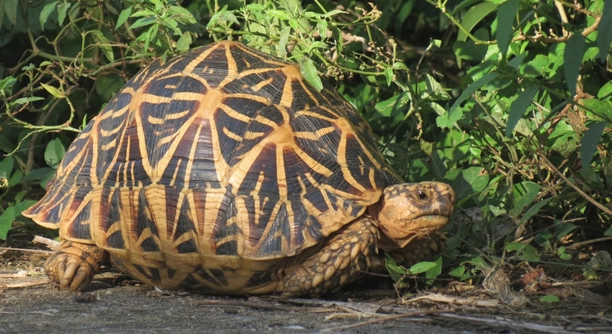
Turtles are often seen hiding in their enclosures, leaving many owners puzzled. Understanding why this behavior occurs can help improve their well-being and ensure they live a happy, healthy life. Several factors play a role.
Turtles typically hide due to stress, discomfort, or environmental factors. Changes in their habitat, diet, or handling can cause them to retreat. Additionally, factors like improper lighting, temperature, or tank mates may contribute to this behavior.
Addressing these issues will help prevent hiding and promote a more active and healthy lifestyle for your turtle.
Stress and Environmental Changes
Turtles can be highly sensitive to changes in their environment, which may lead them to hide. When there are alterations in temperature, lighting, or humidity, they may seek shelter to feel secure. Even minor disturbances, such as moving their tank or adding new objects, can make them anxious. A sudden change in diet or water quality can also trigger this behavior. Turtles are creatures of habit and need stable conditions to thrive. Understanding what might have shifted in their environment can help reduce the stress and make your turtle feel more comfortable.
Even slight changes in their surroundings can make your turtle anxious, pushing them to hide. Keep their habitat as consistent as possible to avoid unnecessary stress.
If your turtle is hiding more frequently than usual, ensure the tank has a proper heat gradient, enough space, and clean water. A secure hiding spot in their tank can also help them feel safe without retreating entirely. If they continue to hide, consider if there have been any recent environmental changes that may have caused this reaction. Small changes, such as a shift in tank decor or a new light bulb, can upset them. If your turtle’s environment is not consistent, it can contribute to anxiety, making them retreat into their shell more often. Regularly monitoring their habitat and providing a comfortable space for them to rest will help maintain their peace of mind.
Health Issues and Infections
Health concerns are another reason why your turtle may be hiding. Illness or injury often leads to lethargy and a desire to stay hidden. Skin infections, respiratory issues, or shell rot can make your turtle feel unwell, causing them to withdraw from sight. Turtles may instinctively hide to protect themselves while recovering. If your turtle is hiding more than usual and shows signs of lethargy or difficulty swimming, it’s important to consult a veterinarian.
A hidden turtle might be experiencing discomfort or pain from an underlying condition.
Many common health issues in turtles, such as respiratory infections or fungal infections, can make them less active. Turtles are known to slow down or withdraw when they are in pain. They may hide under rocks, submerged in the water, or in the corners of the tank to rest. Keeping an eye on your turtle’s behavior, such as changes in appetite, activity, and behavior, is essential to catching any signs of illness early. If your turtle’s hiding persists or you notice other symptoms like a swollen shell, nasal discharge, or changes in swimming patterns, it’s best to seek professional veterinary care. Getting prompt treatment can prevent further complications and help your turtle recover faster.
Poor Tank Conditions
Turtles are very sensitive to the conditions of their tank. If the water quality isn’t up to standard or if the tank is too small, they may start hiding. A lack of proper filtration or poor lighting can also contribute to stress and discomfort.
If the water temperature is too cold or too warm, your turtle will likely retreat to a hiding spot. Ensure that the water temperature stays within the proper range for the species. A tank that is too small can also make your turtle feel cramped and uncomfortable. Providing enough space allows them to explore without feeling stressed.
Regular water changes and proper filtration are essential for keeping your turtle healthy. Also, consider adding proper lighting and UVB rays to mimic their natural habitat. If the water is dirty or the tank feels too small, your turtle will have no choice but to hide in an attempt to escape uncomfortable conditions.
Inadequate Diet
Turtles that aren’t getting the right diet often hide, either because they feel weak or because they’re uncomfortable. Poor nutrition can lead to stress and health problems, making your turtle less active. A lack of essential vitamins and minerals may also affect their behavior.
If your turtle is not getting a balanced diet, it may not have enough energy to be active. Vegetables, protein, and proper calcium are necessary for their well-being. If you only feed them one type of food, they may not be getting the nutrients they need. This can lead to lethargy and hiding.
Offering a variety of foods ensures your turtle gets the nutrients it needs. Fresh leafy greens, insects, and calcium supplements help keep your turtle healthy and active. Pay attention to how your turtle reacts to different foods to ensure they’re eating enough to stay energetic. If you notice a decrease in activity or an increase in hiding, adjusting their diet might be the solution.
Excessive Handling
Turtles are not fond of being handled too much. Constant handling can cause stress, making them want to hide. Over time, this can lead to them becoming more withdrawn and less social. They prefer to remain undisturbed in their habitat.
When handling your turtle, make sure it’s minimal and calm. Too much interaction can create anxiety, causing them to seek out a hiding spot for peace. If your turtle is showing signs of stress, it’s important to give them time to adjust to their environment without constant disturbance.
Allow your turtle to acclimate to its surroundings at its own pace. Handling should only be done when necessary and in a gentle manner. Giving your turtle space will help them feel secure and reduce hiding behavior.
Tank Mates
If there are other animals in the tank, your turtle may hide due to territorial behavior or feeling threatened. This is common if there are aggressive or larger species sharing the space. They may seek shelter to avoid confrontations.
It’s important to ensure that all tank mates are compatible with your turtle. Turtles generally do well with other slow-moving, peaceful species. However, adding more active or territorial animals can lead to stress. If your turtle feels unsafe or overwhelmed by tank mates, they may retreat to hide and avoid interaction. Monitoring the dynamics in the tank can help ensure all creatures live peacefully together.
Seasonal Changes
Some turtles hide more during colder months, which is part of their natural behavior. As the temperature drops, they may become less active or seek hiding spots to stay warm. This is common for certain species.
As winter approaches, it’s important to keep the tank temperature consistent. Turtles may need a heat source to remain active, as cold water can cause them to slow down. If you notice your turtle becoming more reclusive, it could simply be adjusting to the change in temperature. Maintaining proper conditions will help them stay healthy throughout seasonal shifts.
FAQ
Why is my turtle hiding all the time?
Turtles hide for several reasons, most commonly stress, illness, or environmental factors. If there’s been a change in their habitat, temperature, or water quality, they may retreat to a safe space. Illness can also cause lethargy, leading to more hiding behavior. If you notice other symptoms, like lack of appetite or abnormal swimming, it’s best to consult a vet.
How can I stop my turtle from hiding so much?
Start by ensuring your turtle’s environment is comfortable and consistent. This includes proper lighting, heat, and filtration. Make sure your tank is large enough for your turtle to move freely. If there are other animals in the tank, check if they’re causing stress. Also, keep handling to a minimum.
Is it normal for turtles to hide?
Yes, it’s normal for turtles to hide occasionally, especially when they’re feeling stressed or tired. However, constant hiding may indicate an underlying issue. It’s important to observe your turtle’s behavior for other signs of health problems. Short periods of hiding are natural, but prolonged hiding requires attention.
How do I know if my turtle is stressed?
Signs of stress in turtles include hiding more than usual, lack of appetite, or lethargy. If your turtle is moving less or acting differently than usual, it might be experiencing stress. Environmental changes, like water temperature or tank size, are common stress factors. Monitoring your turtle’s behavior will help identify stress triggers.
Can my turtle be too cold?
Yes, cold temperatures can make your turtle sluggish and cause it to hide. Turtles are cold-blooded, so they rely on external temperatures to regulate their body heat. If the water in their tank is too cold, they’ll seek warmth or hide to conserve energy. Check the water temperature regularly and use a heater if necessary.
How often should I handle my turtle?
Handling should be minimal and only when necessary. Too much handling can cause stress and anxiety. When you do handle your turtle, be gentle and avoid sudden movements. If your turtle consistently hides after being handled, reduce the frequency and allow them time to adjust.
Is my turtle hiding because it’s sick?
Hiding can be a sign of illness, especially if your turtle is lethargic or has a reduced appetite. Infections, respiratory issues, or shell rot can cause discomfort, leading to hiding behavior. If you notice any signs of illness, like swelling, difficulty swimming, or abnormal behavior, seek veterinary care.
What is the best tank size for my turtle?
The tank size depends on your turtle’s species. As a general rule, the tank should be at least 10 gallons for every inch of your turtle’s shell. A larger tank allows your turtle to move freely and reduces stress. Make sure to include a basking area and water for swimming.
Can I keep multiple turtles in the same tank?
It depends on the species. Some turtles do well in groups, while others are territorial and prefer solitude. When keeping multiple turtles, ensure there’s enough space for each one to establish its own area. Aggressive behavior can lead to stress and hiding, so monitor the dynamics closely.
How do I set up the tank to prevent hiding?
To reduce hiding, ensure your turtle’s environment is comfortable and suitable for its needs. Provide areas for basking and swimming. Make sure the water is clean and at the correct temperature. A well-maintained tank with proper lighting and space will make your turtle feel more secure and less likely to hide.
Does my turtle need UVB lighting?
Yes, UVB lighting is essential for your turtle’s health. UVB light helps turtles synthesize vitamin D3, which is necessary for calcium absorption and shell growth. Without UVB lighting, turtles can develop metabolic bone disease. Provide a UVB lamp and ensure your turtle has access to it for several hours a day.
Can my turtle hide during hibernation?
Some turtle species hibernate during the colder months, and this can involve hiding for extended periods. If your turtle is in the wild, it may burrow or seek shelter. In captivity, you may notice less activity during the winter. Ensure the tank’s temperature is appropriate for your turtle’s needs, and monitor its behavior closely during this time.
Why is my turtle hiding and not eating?
If your turtle is hiding and not eating, it could be due to stress, poor water conditions, or illness. Check the temperature and cleanliness of the water, as these factors can cause discomfort. If there’s no improvement, consider taking your turtle to a veterinarian for an examination.
Can stress cause my turtle to stop eating?
Yes, stress is a common reason why turtles stop eating. Stress can be caused by factors like a change in environment, an improper diet, or tank mates. If your turtle is hiding and refusing food, evaluate its surroundings to identify any stress triggers and address them promptly.
How can I tell if my turtle is comfortable?
A comfortable turtle will be active and explore its tank. It will bask under the heat lamp, swim around, and exhibit normal eating habits. If your turtle is hiding less and moving around more, it’s a sign that it’s comfortable in its environment.
Can I add plants to my turtle’s tank?
Yes, adding plants can provide a more natural environment and give your turtle areas to hide and explore. However, make sure the plants are safe for turtles, as some plants may be toxic. Live plants also help improve water quality by absorbing excess nutrients. Keep the tank clean and check for any plant damage.
Should I be concerned if my turtle hides in the water?
It’s not uncommon for turtles to hide underwater, especially if they feel unsafe or stressed. Turtles often retreat to the water to seek security. However, if your turtle is staying hidden for long periods and shows no interest in basking, it could be a sign of health or environmental issues.
Final Thoughts
Turtles are fascinating creatures with unique behaviors. It’s important to understand that hiding is a natural part of their instincts, especially if they feel stressed, threatened, or uncomfortable in their environment. However, constant hiding can indicate a deeper issue, such as an illness or unsuitable tank conditions. Monitoring their behavior closely and ensuring they have the right habitat can help prevent unnecessary stress and health issues.
Providing the right tank setup is essential for your turtle’s well-being. This includes maintaining proper water temperature, clean water, and adequate lighting. UVB lighting is particularly important for their health, as it helps them absorb essential nutrients. A tank with enough space for swimming and basking is also crucial, as it gives your turtle room to move and feel secure. When these needs are met, turtles are more likely to be active and less prone to hiding.
If your turtle continues to hide despite a proper environment, it may be time to seek professional advice. A veterinarian specializing in reptiles can help identify underlying health problems and provide necessary treatment. Understanding your turtle’s behavior and responding to it appropriately ensures they stay healthy and happy.

Hello,
If you enjoy the content that we create, please consider saying a "Thank You!" by leaving a tip.
Every little bit helps us continue crafting quality advice that supports the health, happiness, and well-being of pets around the world, for pets of all shapes, sizes, and species.
We really appreciate the kindness and support that you show us!