
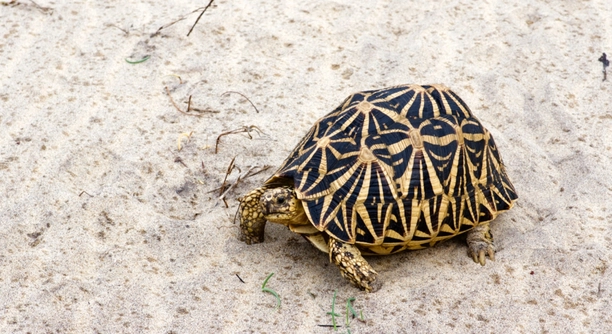
Turtles make wonderful pets, but keeping their tank clean and healthy can be a bit challenging. One common issue that many turtle owners face is a mysterious film building up on the water’s surface.
This film is typically caused by a combination of uneaten food, waste, and natural oils produced by your turtle, as well as bacteria. It can form when the tank isn’t cleaned regularly or the filtration system is inadequate.
There are ways to manage this issue and keep your turtle’s environment clean and safe. Understanding the cause of the film is the first step toward preventing it.
What Causes the Film on Your Turtle’s Tank?
The film on your turtle’s tank often results from a mix of waste, food remnants, and oils. Turtles, like all pets, produce waste, and some of this will inevitably float to the surface. If the tank’s filtration system is not powerful enough to catch small debris or break down waste, it can create a thin, greasy layer on the water. Additionally, oils released by your turtle’s skin or food can contribute to the film. Overfeeding can also worsen the situation since more food leads to more waste.
The bacteria that live in the tank also play a role. These microorganisms break down organic matter, but if there’s an imbalance in the tank’s ecosystem, they can thrive and cause the film to appear more frequently.
Regular cleaning and maintaining your tank can significantly reduce the film buildup. It’s essential to monitor both the cleanliness of the water and the filtration system.
How to Prevent the Film from Forming
To prevent the film from forming, begin by adjusting your feeding routine. Avoid overfeeding and remove uneaten food immediately after each feeding. A balanced diet will help minimize waste production and keep your tank cleaner for longer.
Your turtle’s environment should also be cleaned regularly. This includes not only changing the water but also scrubbing the tank, removing any leftover food, and checking the filter. Make sure your filter is powerful enough to handle the size of the tank and can adequately process waste.
In addition, consider adding live plants or a clean-up crew like snails or shrimp. These creatures will help maintain a natural balance by consuming leftover food or algae, which can also lead to the film. Keeping the tank at a healthy balance will make it easier to control the film buildup.
Adjusting the Tank’s Filtration System
A weak filter is a major reason why the film keeps forming. It’s important to ensure the filter is strong enough for your tank size. If it isn’t, waste and oils will remain in the water, leading to that stubborn film.
Upgrading to a better filter is a simple solution. Choose one designed for your tank’s size and water volume. Make sure it can remove small particles and help keep the water clean. A strong filter will reduce the number of contaminants and improve overall water quality. Clean the filter regularly to keep it working effectively.
If a filter upgrade isn’t an option, supplement it with a sponge filter. These filters are affordable, easy to maintain, and can add extra filtration power to your tank. They can help catch floating waste and oils that the main filter might miss. Consider adjusting the flow rate to prevent disrupting your turtle too much while still keeping the water clear.
Cleaning Your Turtle’s Tank Regularly
Cleaning the tank regularly is key to preventing the film buildup. If you wait too long, waste and food will accumulate, causing the surface film. Clean the tank at least once a week to stay ahead of this problem.
Start by removing any uneaten food and waste. Scrub the sides of the tank to remove dirt and algae buildup. Be sure to clean the substrate as well, as this can trap debris that will cause problems later. It’s also a good idea to change about 25% of the water during each cleaning to keep it fresh.
Keep your turtle’s tank environment stable by maintaining good water quality. Test the water regularly to check for imbalances in ammonia, nitrate, or nitrite levels. A clean tank will keep your turtle happy and prevent unwanted film from forming on the surface.
Overfeeding Your Turtle
Overfeeding can quickly lead to more waste, which creates a film on the tank’s surface. Turtles tend to eat more than they need, so it’s essential to monitor their food intake. Only feed your turtle as much as it can consume in a few minutes.
Any uneaten food should be removed immediately. Leftover food decomposes, adding to the water’s waste load. Avoid overfeeding by using a feeding schedule and sticking to it. A consistent feeding routine will help reduce excess food and keep the tank cleaner.
Water Temperature and Filtration Balance
The temperature of the water can influence the rate of waste breakdown. If the water is too warm, bacteria that contribute to the film might thrive faster. Keeping the water at the proper temperature for your turtle is crucial for both health and cleanliness.
A balanced temperature combined with strong filtration will help manage bacterial growth. A temperature between 75°F and 80°F is ideal for most aquatic turtles. Make sure the heater is working well to maintain a steady, safe environment. A stable setup helps control unwanted film buildup and keeps your turtle comfortable.
Adding Live Plants or Snails
Adding live plants or snails can help reduce the film in the tank. Plants help absorb some of the nutrients that would otherwise fuel bacterial growth, and they also provide hiding spots for your turtle. Snails can help by eating leftover food and algae.
Both additions work naturally to improve water quality, creating a cleaner environment for your turtle. Adding plants or snails can also enhance the aesthetic appeal of your tank, giving it a more vibrant look. These additions not only keep the tank cleaner but also contribute to a more balanced ecosystem.
FAQ
Why does my turtle’s tank always have a film on top?
The film on your turtle’s tank usually happens due to waste, uneaten food, and oils released by your turtle. These substances float to the surface and, when not properly filtered or cleaned, form a thin layer. The lack of filtration or poor water maintenance can also contribute to this problem. A stronger filtration system, cleaning the tank regularly, and adjusting feeding habits can help reduce this issue.
How do I get rid of the film on my turtle’s tank?
To remove the film, start by cleaning the tank thoroughly. Scrub the sides and bottom, remove any leftover food, and change a portion of the water. A strong filtration system helps, so make sure it’s working properly. Adjust your turtle’s feeding routine to avoid excess food that may lead to waste buildup. You can also add snails or live plants to help keep things clean.
How often should I clean my turtle’s tank to prevent the film from forming?
You should clean your turtle’s tank at least once a week. Regular cleaning prevents waste and food debris from accumulating, which reduces the chances of a film forming. During the cleaning process, remove any leftover food, scrub the tank’s surfaces, and change 20-25% of the water. Regular maintenance keeps the water fresh and reduces bacteria buildup.
Can I use chemical cleaners to remove the film?
It’s best to avoid chemical cleaners when cleaning your turtle’s tank. Chemicals can harm your turtle and disrupt the delicate balance in the water. Instead, stick to using water-safe scrubbers and natural cleaning methods, like vinegar diluted with water. Always rinse everything thoroughly before placing it back in the tank.
Is the film harmful to my turtle?
The film itself isn’t necessarily harmful but can be a sign of poor water quality, which can affect your turtle’s health. If left unchecked, the film may indicate a buildup of harmful bacteria or excess nutrients, leading to potential water imbalances. Keeping the tank clean and maintaining water quality is important for your turtle’s well-being.
What type of filter should I use to prevent the film?
You should use a filter that’s rated for your tank’s size and water volume. A strong, efficient filter helps remove waste, oils, and other debris that can contribute to the film. Canister filters or power filters tend to be more effective for turtle tanks, as they offer better filtration capacity than smaller, internal filters. Ensure the filter’s flow rate is suitable for your turtle’s tank to avoid disrupting its environment.
Should I feed my turtle less to prevent the film from building up?
Yes, feeding your turtle less can help reduce the buildup of food debris in the tank. Overfeeding results in excess food that can decompose and cause a film to form. Feed your turtle only as much as it can eat in 5-10 minutes, and remove any uneaten food right away. This will keep the tank cleaner and help maintain better water quality.
Can adding live plants help reduce the film in my turtle’s tank?
Yes, adding live plants can help reduce the film in your turtle’s tank. Plants absorb some of the excess nutrients in the water that would otherwise feed bacteria and algae. They also provide hiding spots for your turtle, helping it feel more secure. Adding plants improves the overall balance of your tank’s ecosystem, reducing the chances of a film forming.
Do snails help with the film on my turtle’s tank?
Snails can indeed help keep your turtle’s tank cleaner. They feed on leftover food and algae, which can contribute to the film on the water’s surface. However, keep in mind that too many snails can lead to their own issues, like excessive waste production. It’s important to monitor their population to avoid any new problems.
Can I use a sponge filter to help with the film?
A sponge filter can help improve the filtration in your turtle’s tank. It’s an affordable and easy-to-maintain option that provides gentle water circulation while helping to remove floating debris. Though it’s not as powerful as larger filters, it can still help with smaller tanks or serve as an additional filtration option to reduce film buildup.
How can I tell if my turtle’s water quality is bad?
Signs of bad water quality include a cloudy appearance, a strong odor, and visible waste or algae buildup. If your turtle shows signs of stress, like lethargy or unusual behavior, poor water quality could be the issue. Testing the water regularly for ammonia, nitrite, and nitrate levels can help you monitor the quality and keep the water safe for your turtle.
Can I put my turtle in a different tank to clean the original one?
Yes, it’s safe to temporarily move your turtle to another tank while you clean its usual tank. Just make sure the temporary tank is clean and has adequate filtration, heating, and water conditions for your turtle to stay comfortable. Don’t leave your turtle in the temporary tank for too long, and always ensure it’s returned to a clean, properly maintained tank.
Is it normal for a turtle’s tank to get dirty quickly?
Yes, it’s normal for a turtle’s tank to require regular cleaning, as turtles produce a lot of waste. However, if you notice the tank getting dirty very quickly, it could mean the filtration system isn’t adequate, you’re overfeeding, or the water quality is poor. Adjusting your cleaning routine, feeding habits, and filtration can help prevent the tank from getting dirty so quickly.
Can I use a surface skimmer to remove the film from the tank?
A surface skimmer can be a helpful tool for removing the film from your turtle’s tank. It’s designed to remove debris and oils from the water’s surface, keeping the tank clean. However, it’s not a replacement for regular cleaning and proper filtration. Combining a skimmer with a good filtration system will help maintain cleaner water in the long run.
Final Thoughts
Keeping your turtle’s tank clean is essential for its health and well-being. A film that forms on the surface of the water is a common issue many turtle owners face. While it may seem harmless at first, the film can indicate poor water quality, which can lead to problems for your turtle. Regular maintenance and cleaning of the tank can help reduce the buildup of this film. By staying on top of feeding schedules, keeping the filter in good working order, and doing routine water changes, you can ensure your turtle’s tank remains clean and healthy.
Understanding the causes behind the film will help you manage the issue. Factors like overfeeding, an inadequate filtration system, and improper water temperature all contribute to the problem. Adjusting these factors can make a big difference. If you notice the film forming, take action by cleaning the tank and checking the water quality. Adding live plants or snails can also help keep the tank cleaner naturally by consuming leftover food and algae. With proper care, your turtle’s habitat can stay in balance, reducing the chances of the film returning.
Maintaining a clean tank is not only about aesthetics but also about your turtle’s health. The film on the water’s surface may be a sign of an underlying issue that could affect your turtle’s environment. Taking steps to improve the water quality, avoid overfeeding, and keep the filtration system running well will help keep your turtle happy and healthy. Regular monitoring of water quality and tank conditions is key to preventing the buildup of waste and bacteria. With some effort, you can easily maintain a clean, safe, and comfortable environment for your turtle to thrive in.

Hello,
If you enjoy the content that we create, please consider saying a "Thank You!" by leaving a tip.
Every little bit helps us continue crafting quality advice that supports the health, happiness, and well-being of pets around the world, for pets of all shapes, sizes, and species.
We really appreciate the kindness and support that you show us!