
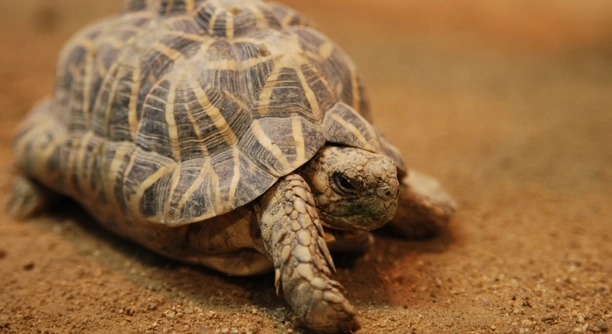
Turtles can be amazing pets, and understanding their behavior can help ensure they live happy and healthy lives. Observing your turtle’s well-being is essential for their comfort and safety. Knowing the signs of a happy turtle can make a difference.
A happy turtle exhibits signs of active movement, healthy eating habits, and a relaxed demeanor. They often show curiosity, engage with their environment, and enjoy basking or swimming in clean water. These are key indicators of well-being.
Recognizing these signs is crucial to maintaining a happy turtle. Knowing when they are content can help you make better decisions for their care and living space.
Active Movement and Exploration
A happy turtle loves to move around and explore its environment. They will often be seen swimming actively, walking around their habitat, or showing interest in their surroundings. When a turtle is healthy and content, it will show natural curiosity, frequently exploring different areas of its tank or basking spot. This movement is a positive indicator that your turtle feels comfortable in its space.
When a turtle is not active, it could be a sign of stress or discomfort. Ensuring the turtle has enough space and variety in its environment will encourage movement.
If your turtle isn’t as active as usual, it might need more stimulation. Adding hiding spots, toys, or climbing structures can help them feel more secure and engaged. A change in environment, such as fresh water or better lighting, can also make a noticeable difference in their behavior. When they start to move more freely, it’s a sign they feel happy and healthy.
Healthy Eating Habits
A happy turtle has a healthy appetite and enjoys its meals.
Proper nutrition is crucial for a turtle’s overall well-being. A balanced diet with leafy greens, aquatic plants, and appropriate protein sources is key. Turtles that are eating well are usually more active and alert. It’s important to monitor what your turtle consumes to make sure they’re getting the right nutrients. Keeping their food varied helps maintain their interest and health. If a turtle refuses food or seems disinterested in meals, it could indicate an underlying health issue. However, if your turtle eagerly accepts food, it’s a clear sign of a content and healthy pet.
Basking and Sunlight
A happy turtle enjoys basking under a heat source or natural sunlight.
When a turtle basks, it helps regulate body temperature, aiding digestion and overall health. Providing a basking area with a heat lamp or access to natural light mimics the turtle’s natural habitat. You’ll notice them seeking warmth and resting on a dry platform or rock to soak in the heat. If your turtle basks regularly, it’s a good sign that they are content and in good health. Basking is also essential for the turtle’s shell health, as UVB rays promote proper shell development.
Without proper access to sunlight or a heat lamp, turtles can become lethargic or stressed. A lack of basking can affect their metabolism and cause health issues over time. It’s important to monitor their basking habits and adjust lighting to ensure they’re getting enough warmth. A happy, healthy turtle will have a consistent basking routine, often staying under the light for short periods, soaking up heat, and then retreating to the water when they’ve had enough.
Relaxed Demeanor
A calm, relaxed turtle is a happy one.
Turtles that are content in their environment often display a relaxed posture. They’ll move slowly and steadily, without signs of stress or excessive hiding. A turtle that feels comfortable will not try to escape or hide all the time. Instead, it will be seen in its usual resting spots or exploring without anxiety. If a turtle constantly hides or becomes aggressive when approached, it could be a sign that it’s not happy. A relaxed turtle shows confidence in its space and doesn’t feel threatened.
In addition to the relaxed body language, you might notice a turtle occasionally floating calmly in the water, looking around or taking a break on its basking platform. These natural behaviors suggest comfort and happiness. A turtle that spends its time this way is typically thriving. Maintaining a calm, safe environment is key to ensuring your turtle remains content, with a sense of security that prevents unnecessary stress.
Shell Health and Cleanliness
A happy turtle’s shell will look smooth, firm, and free from injuries.
Regularly inspecting the shell ensures it is healthy and free from parasites or damage. A clean, well-maintained shell is a good sign that the turtle is thriving. If the shell starts to look soft, discolored, or damaged, it may indicate underlying health issues. Keeping the turtle’s habitat clean also helps maintain shell health.
Good Water Quality
Clean water is crucial for a healthy, happy turtle.
A turtle’s water should be filtered regularly to prevent the buildup of waste and bacteria. Clean water promotes better health, helps the turtle stay active, and reduces stress. Water that’s too dirty or untreated can cause skin infections or other health problems. Make sure the water is changed frequently and properly filtered to ensure a safe environment for your turtle.
Social Behavior
Some turtles are more social and enjoy interaction with their owner.
While not all turtles seek human interaction, those that do may follow their owner with interest or respond when approached. Social turtles may show signs of recognition or even approach for feeding. Turtles that interact in this way are comfortable with their surroundings and confident in their environment.
FAQ
How can I tell if my turtle is stressed?
A stressed turtle will often exhibit signs such as hiding excessively, refusing to eat, or becoming more aggressive. They may also spend a lot of time at the bottom of the tank or avoid basking. If your turtle seems restless, sluggish, or has a sudden change in behavior, it’s important to assess its environment. Poor water quality, incorrect temperature, or a lack of hiding spaces can cause stress. Addressing these issues can help your turtle feel more secure.
What should I do if my turtle isn’t eating?
If your turtle isn’t eating, first check the water temperature, as it may be too cold or too hot. Turtles are cold-blooded and need proper heat to stimulate their appetite. Also, ensure the food is fresh and appropriate for the species. Turtles can sometimes go off food for short periods, but if the refusal to eat continues for more than a few days, it’s best to consult a vet. Stress, illness, or poor tank conditions are common causes of a loss of appetite in turtles.
How much space does a turtle need?
Turtles need a spacious tank to thrive, as they require both land and water areas. For a small turtle, at least 20 gallons of water per turtle is recommended, but larger turtles will need more space. It’s important to provide an area where they can bask and swim comfortably. Overcrowding can lead to stress and health issues, so it’s essential to give your turtle enough room to move around and feel secure.
How often should I clean my turtle’s tank?
You should clean your turtle’s tank regularly to maintain good water quality. A general guideline is to clean the tank thoroughly every 2-4 weeks. However, you should also perform partial water changes weekly to remove waste and prevent bacterial growth. The filter should be cleaned or replaced as needed. Keeping the tank clean is essential to preventing infections and ensuring your turtle remains healthy.
What is the best temperature for a turtle’s tank?
The ideal water temperature for most aquatic turtles is between 75°F and 80°F (24°C to 27°C). The basking area should be warmer, around 85°F to 90°F (29°C to 32°C), to encourage proper digestion and activity. Use a reliable thermometer to monitor the temperature. If it’s too cold, the turtle may become lethargic, while excessive heat can stress the turtle and lead to overheating.
Can turtles live with other animals in the same tank?
Turtles can be kept with other animals, but it’s important to consider the size, species, and temperament of both the turtle and the other animals. Some fish or amphibians may be suitable tank mates for certain species of turtles, while others may be more aggressive and territorial. Avoid keeping turtles with small fish, as they may become prey. Always research compatible tank mates for the specific species of turtle you own to avoid stress and harm.
How long do turtles live?
Turtles are known for their longevity, with some species living well over 50 years. In fact, many species can live anywhere from 20 to 100 years, depending on the environment and care they receive. To ensure a long, healthy life, provide the proper habitat, diet, and medical care for your turtle. Regular veterinary check-ups can also help catch potential health issues early.
What kind of diet does a turtle need?
Turtles require a varied diet to stay healthy. Aquatic turtles generally eat a combination of commercial turtle food, vegetables, and occasional protein sources like insects, worms, or small fish. Leafy greens such as kale, lettuce, and dandelion are excellent choices for them. It’s important to avoid feeding them too much high-fat or high-protein food, as it can lead to obesity. Offering a balanced diet will promote healthy growth and shell development.
How do I know if my turtle is happy?
Happy turtles exhibit active movement, healthy eating habits, and a relaxed demeanor. They will swim and explore their tank and bask under the heat lamp. A content turtle will also have clear, healthy eyes and a smooth, firm shell. If your turtle is showing these behaviors, it’s likely a sign they are happy in their environment. Regularly monitor their behavior and adjust the habitat as needed to ensure they stay comfortable.
Can I take my turtle outside?
Taking your turtle outside can be beneficial, but only in a controlled environment. Ensure the area is safe from predators, and the temperature is appropriate for your turtle. It’s essential to have a secure enclosure to prevent them from escaping. Keep in mind that some turtles can carry diseases that can be harmful to other animals or people, so always practice good hygiene when handling your turtle. Never leave your turtle unattended outside, as they could be at risk of injury or illness.
How can I help my turtle shed its skin?
Turtles naturally shed their skin over time, usually in small patches. If your turtle isn’t shedding properly, it could be due to poor water quality, inadequate humidity, or a lack of proper diet. Ensuring the water is clean and maintaining proper tank conditions can help with the shedding process. Avoid pulling at the skin, as this could cause injury. A healthy diet rich in calcium and other nutrients can also support natural shedding.
What kind of lighting do turtles need?
Turtles require UVB lighting for proper health. UVB light helps them synthesize vitamin D3, which is essential for calcium absorption and shell development. A combination of UVB and heat lamps is typically needed for both basking and providing the right temperature range in the tank. Make sure to replace the UVB bulb every 6 months, as its effectiveness decreases over time. Without proper lighting, turtles can develop shell deformities and other health issues.
Final Thoughts
Taking care of a turtle can be a rewarding experience, but it requires understanding and attention to their needs. Turtles have specific requirements for their environment, diet, and health. Providing a clean and comfortable habitat is essential for their well-being. From offering enough space to ensuring proper water temperature, every detail counts in making sure your turtle stays happy and healthy. Regularly check their shell, monitor their eating habits, and keep an eye on their behavior. These small steps will help you notice any changes early and adjust their care as needed.
A happy turtle is one that is active, well-fed, and comfortable in its environment. Observing your turtle’s movements, basking habits, and social behavior will help you understand when it’s thriving. If you see your turtle exploring, eating well, and relaxing in its basking area, you can feel confident that it is content. However, if any of these behaviors change, it may be time to assess the living conditions and diet. The goal is to provide a safe, clean space where your turtle can feel secure and enjoy its daily activities.
Owning a turtle comes with its challenges, but with the right care, they can live long, happy lives. Keeping their tank clean, providing proper lighting, and offering a varied diet are just a few of the basics to keep in mind. If you ever notice signs of stress, illness, or discomfort in your turtle, don’t hesitate to consult a vet. By paying attention to their needs and making necessary adjustments, you can ensure your turtle leads a happy and healthy life for many years to come.

Hello,
If you enjoy the content that we create, please consider saying a "Thank You!" by leaving a tip.
Every little bit helps us continue crafting quality advice that supports the health, happiness, and well-being of pets around the world, for pets of all shapes, sizes, and species.
We really appreciate the kindness and support that you show us!