
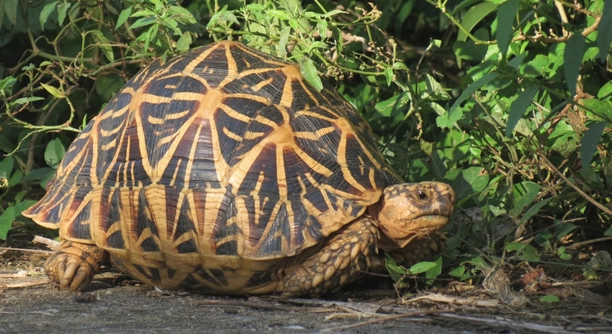
Turtles are fascinating creatures, but like any pet, they have specific needs. One key factor is the amount of space they require to thrive. Over time, you might notice certain signs that indicate your turtle needs more room.
Turtles need adequate space to move, swim, and explore. If they are confined to a too-small area, it can affect their health and behavior. Insufficient space can lead to stress, poor activity levels, and even health problems over time.
Recognizing these signs early can help you create a better environment for your turtle. Adjusting their space will improve their quality of life and ensure they stay happy and healthy.
Lack of Activity
One of the first signs that your turtle may need more space is a noticeable decrease in their activity level. If your turtle is spending most of its time hiding or remaining still, it could indicate that the space provided is too small. Turtles are naturally curious and active, so if they are not moving around much, they might feel cramped or stressed. This lack of movement can also result in weight gain, which is not ideal for their health. Providing a larger space allows your turtle to explore, swim, and bask, which are essential behaviors for their well-being.
If your turtle’s movement is restricted, it may lead to stress and other health issues. The more room they have, the more they can engage in natural behaviors, helping them stay active and healthy.
Consider adding a larger enclosure or allowing your turtle to roam in a safe, controlled area. This simple change can make a noticeable difference in their behavior and overall health.
Poor Appetite
Another sign your turtle may need more space is a reduced appetite. Turtles, when feeling stressed or cramped, can lose interest in food. A smaller tank or enclosure may leave them feeling anxious or unsettled, making them less inclined to eat. This is a clear indication that their environment isn’t offering the comfort they need. A larger tank will not only provide them with more space to roam but also promote a sense of security, encouraging normal feeding behavior.
If your turtle seems uninterested in food, it could be because they feel confined. A spacious environment will help them feel more relaxed, which can stimulate their appetite.
Aggressive Behavior
If your turtle becomes unusually aggressive, it could be a sign that they are feeling crowded. When a turtle has limited space, it can become territorial and defensive, especially if there is not enough room to escape or hide. This behavior can lead to biting, shell-chasing, or other signs of aggression.
Aggression may also be directed towards other turtles or tank mates. A turtle feeling stressed from a lack of space may act out because it has no opportunity to retreat or find a more comfortable spot. A larger tank or enclosure allows your turtle to claim space and feel more secure.
By providing more room, your turtle can establish its own area within the habitat, leading to a calmer and more peaceful environment. This space gives them the freedom to interact or avoid others as they see fit, reducing stress and aggressive tendencies.
Health Decline
A small or cramped environment can negatively affect your turtle’s health. Without sufficient space, your turtle may experience poor water quality, which can lead to skin infections or respiratory problems. Additionally, limited room can hinder their ability to exercise, resulting in obesity or weakened muscles.
Without enough space to swim and explore, turtles may develop shell deformities or other physical issues. To prevent these health problems, it’s crucial to ensure that your turtle has enough room for movement and access to clean, well-maintained water. Providing a larger space helps improve water quality and encourages your turtle to stay active.
Limited Swimming Space
If your turtle doesn’t have enough space to swim, it may not get the exercise it needs. Turtles require ample swimming area to stay healthy, and being confined to a small space can affect their physical condition.
A lack of swimming space can also cause your turtle to feel frustrated or stressed. In the wild, turtles spend much of their time swimming and exploring. Providing them with a larger tank or pond-like environment will give them the freedom to move around comfortably.
A spacious tank allows them to fully stretch their legs and swim in a more natural way, which promotes better physical health and overall well-being.
Overcrowding
When multiple turtles are kept in a confined space, overcrowding can occur. This leads to competition for space, food, and basking areas, which increases stress and can result in aggressive behaviors or health issues.
Overcrowding makes it difficult for each turtle to find its own space, making them feel uneasy. Ensuring that your turtles have enough space to live comfortably reduces stress and promotes healthier social interactions. A larger enclosure can also help prevent fighting over resources, allowing all turtles to thrive.
FAQ
How much space does my turtle need?
Turtles need ample space to roam and swim. A general rule of thumb is that the tank should be at least 10 gallons per inch of your turtle’s shell length. This allows enough room for swimming, basking, and hiding. If you have more than one turtle, you’ll need even more space to avoid overcrowding.
The bigger the tank, the better. A spacious environment helps your turtle feel more secure and allows them to move freely. A larger tank also helps maintain better water quality, which is crucial for your turtle’s health.
Can a small tank affect my turtle’s behavior?
Yes, a small tank can significantly impact your turtle’s behavior. When confined to a small space, your turtle may feel stressed or anxious, leading to aggressive behavior, lack of appetite, or lethargy. They may also be less active, which can negatively affect their health in the long run.
A small tank can limit your turtle’s natural instincts to explore, swim, and bask. Providing more space can allow your turtle to feel safer and more comfortable, leading to a happier, healthier pet.
What size tank is ideal for a juvenile turtle?
For a juvenile turtle, a 20-gallon tank is a good starting point. However, as they grow, the tank size should increase. You’ll need to upgrade to a 40-gallon tank or larger as your turtle reaches maturity.
Remember that as your turtle grows, it will need more space to move around, swim, and bask. Ensuring that your turtle has a large enough space will promote its overall health and prevent stress or behavioral issues.
How can I tell if my turtle is stressed from a small tank?
Stress in turtles can show in several ways. If your turtle is spending excessive time hiding or acting lethargic, it may feel confined. You may also notice aggression, lack of appetite, or even shell-biting behavior, all of which are signs of stress.
Your turtle might also be more prone to illness if the space doesn’t allow for natural movements. If these signs persist, consider upgrading your turtle’s habitat to give them more room to roam and thrive.
Can I house more than one turtle in the same tank?
Yes, you can house more than one turtle, but there are important considerations. The tank needs to be large enough to accommodate each turtle comfortably. Generally, you need at least 10 gallons of space per turtle.
Additionally, make sure there are enough basking spots and hiding places for each turtle to reduce territorial behavior. If you have multiple turtles, keep an eye on their interactions to ensure they’re not stressing each other out. Sometimes, it’s better to have separate tanks for each turtle to prevent fighting or overcrowding.
What kind of tank is best for a turtle?
The best tank for your turtle is one that offers plenty of swimming space, access to basking areas, and proper filtration. Glass aquariums work well for most turtles, but you could also consider a plastic or fiberglass pond for outdoor setups.
Be sure the tank has a strong filtration system to keep the water clean, as turtles are messy creatures. You’ll also need a UVB light for basking and maintaining a proper day-night cycle for your turtle’s health.
How often should I change the water in my turtle tank?
Changing the water in your turtle tank depends on the size of the tank and the filtration system. For a tank of average size, you should change 25% to 50% of the water every week.
If your turtle tank has a good filtration system, you can go longer between water changes. However, regular cleaning is important to ensure good water quality, which is crucial for your turtle’s health. Make sure to test the water regularly for ammonia, nitrites, and nitrates.
Can my turtle share its tank with other pets?
Turtles can share their tank with other pets, but it’s important to choose compatible species. Avoid keeping turtles with aggressive or very small animals that could get hurt. Fish, frogs, and other reptiles can sometimes live with turtles, but be sure to research specific needs before mixing species.
You should also make sure there is enough space for everyone. Each animal needs a separate area for basking and hiding, so they don’t become stressed or fight over territory.
How do I prevent my turtle from getting sick in a small tank?
To prevent illness, maintaining good water quality is key. A small tank can make it harder to keep the water clean, which increases the risk of infections or diseases.
Regularly clean the tank, use a proper filtration system, and change the water frequently. Additionally, ensure your turtle has access to a basking spot with UVB light to promote a strong immune system. A spacious tank reduces stress, which also helps in keeping your turtle healthy.
Is it possible to make a homemade turtle enclosure?
Yes, you can build a homemade turtle enclosure if you have the time and resources. Many people use large plastic tubs or build wooden enclosures for their turtles. The key is to ensure there is plenty of space for swimming, basking, and hiding.
Be sure the enclosure has secure walls to prevent escape, and include a proper filtration system and UVB lighting. Keep in mind that a homemade enclosure should be easy to clean and maintain.
Can I take my turtle outdoors?
Yes, you can take your turtle outdoors, but you should only do so in a safe, enclosed area. Outdoor environments can provide your turtle with natural sunlight and more space to explore. Just make sure the area is secure so your turtle cannot escape, and watch for predators.
If you live in a place with harsh weather, make sure to bring your turtle inside when the temperature drops or if it rains. Outdoor setups should be monitored closely for safety.
Why does my turtle bask so much?
Basking is an essential part of your turtle’s routine. Turtles need to bask to regulate their body temperature and absorb UVB light, which is crucial for shell and bone health. If your turtle is basking often, it’s a sign that the environment is set up properly.
If your turtle is basking excessively, it could also be a sign that it feels stressed or uncomfortable in the water. Make sure your tank is big enough for swimming and that your turtle has access to both basking and water areas.
Final Thoughts
Providing enough space for your turtle is essential to its overall health and well-being. Whether you’re just starting with a baby turtle or you have an adult, it’s important to understand that a cramped tank can lead to stress, behavioral issues, and even health problems. Turtles need space to swim, bask, and explore, just like they would in the wild. The larger the tank, the better. While you may start with a small tank for a juvenile turtle, be prepared to upgrade as it grows. A spacious tank allows your turtle to move freely, promoting a more active and happier pet.
A suitable tank should have proper filtration, UVB lighting, and basking areas. These are crucial components of a turtle’s environment. Clean water is essential for avoiding infections, and a basking area allows your turtle to regulate its body temperature. Regular water changes and monitoring of water quality are necessary to prevent issues. By maintaining a healthy tank, you will help your turtle thrive and reduce stress levels. Inadequate space and poor water quality can lead to poor health, such as shell rot, respiratory issues, or sluggish behavior. Therefore, it’s important to constantly evaluate whether your turtle’s environment meets its needs.
Ultimately, ensuring your turtle has enough space is not just about comfort but also about providing a healthy, thriving environment for your pet. Regularly assess your turtle’s living space and make changes if needed. The right environment will help your turtle feel secure, allowing it to exhibit natural behaviors. It’s a responsibility that comes with being a turtle owner, but it’s well worth the effort when you see your turtle flourishing in a spacious, well-maintained habitat.

Hello,
If you enjoy the content that we create, please consider saying a "Thank You!" by leaving a tip.
Every little bit helps us continue crafting quality advice that supports the health, happiness, and well-being of pets around the world, for pets of all shapes, sizes, and species.
We really appreciate the kindness and support that you show us!