
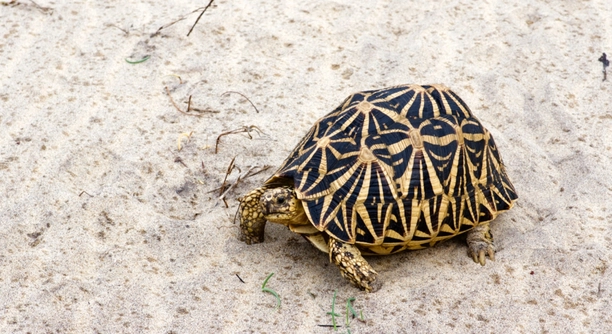
Turtles are fascinating creatures, but sometimes, as their owners, we notice changes in their appearance that can leave us puzzled. One such concern is when their tails appear thinner than usual. It’s a common issue many turtle owners face.
A thinner tail in turtles can be a sign of various health issues, such as dehydration, stress, or nutritional deficiencies. In some cases, it may also be linked to infections or injuries. Early intervention is key to addressing the root cause.
Understanding the reasons behind your turtle’s tail condition is important for their overall well-being. The following sections will provide you with insights into what might be causing this and how you can help your pet.
Common Causes of a Turtle’s Tail Looking Thinner
There are several reasons your turtle’s tail may appear thinner, and it’s important to take a closer look at its behavior and environment. Dehydration can cause your turtle to lose body mass, leading to a thinner tail. Turtles need constant access to fresh water to stay hydrated. Stress is another factor that can affect their physical appearance. If their tank is overcrowded, too noisy, or lacks proper hiding spots, they may feel stressed, leading to noticeable changes in their tail. Additionally, poor nutrition can lead to weak, underdeveloped tails. Turtles require a balanced diet with the right amount of protein, vegetables, and vitamins.
A lack of adequate food, particularly protein, can result in weight loss, affecting the tail’s thickness.
Make sure your turtle’s diet includes a variety of food that meets its nutritional needs. Adding supplements may help if they’re lacking in key nutrients. If these issues are addressed early on, you can prevent further health problems and ensure your turtle’s tail regains its healthy appearance.
Health Concerns to Watch For
If your turtle’s tail is thinning rapidly, you may want to rule out infections or injuries. Tail rot, for example, can cause tissue damage and make the tail appear thinner. Infections often occur when the turtle’s living conditions aren’t clean or when there is an injury that goes untreated.
Infections can develop if your turtle has a compromised immune system or poor tank hygiene. Bacteria and fungi thrive in warm, moist environments, and an unclean tank can lead to tail damage. Regular cleaning of the tank, along with proper handling, can reduce the chances of these infections. If an infection is suspected, it’s best to consult a vet for a proper diagnosis and treatment.
Some injuries may also cause the tail to look thinner if there is damage to the skin or tissue. Make sure your turtle isn’t exposed to sharp objects in its environment that could lead to cuts or scrapes. A vet can help assess any damage and recommend the right steps for recovery.
Dehydration and Its Effects
Dehydration is one of the most common reasons for a turtle’s tail to look thinner. Turtles, especially those in captivity, can easily become dehydrated if they don’t have constant access to clean water. This can cause them to lose weight and become sluggish, affecting their overall health.
Dehydration not only impacts the tail but also the skin and organs of your turtle. A dehydrated turtle will have a dull appearance, and its movements may become slower. If you notice that your turtle is not drinking enough or avoiding water, it’s important to check the water quality regularly. Make sure the water is free from harmful chemicals and properly filtered.
To help combat dehydration, increase the water temperature slightly to encourage drinking. You can also soak your turtle in fresh water for about 20 minutes a few times a week. Providing a proper hydration routine will improve your turtle’s health and may help restore a fuller tail.
Stress and Behavioral Changes
Stress can have a significant impact on your turtle’s appearance. When turtles are stressed, their immune system weakens, and they may lose their appetite, leading to a thinner tail. Common causes of stress include overcrowded tanks, inappropriate tank mates, and a lack of hiding spots.
It’s important to provide your turtle with a comfortable and secure environment. Make sure your tank has enough space for the turtle to move freely and feel safe. Adding rocks or plants where your turtle can hide will help reduce stress. You should also monitor tank temperature and lighting, as both are crucial for your turtle’s well-being.
Stress can also manifest in changes to behavior, like excessive basking or lethargy. If you notice these signs alongside a thinner tail, stress could be a contributing factor. Keeping the tank environment stable and avoiding any sudden changes will prevent your turtle from becoming overwhelmed.
Nutritional Deficiencies
If your turtle’s tail is thinning, it could be a sign that it’s not getting the right nutrients. A lack of essential vitamins and minerals can affect your turtle’s overall health, including the condition of its tail. Turtles need a balanced diet to stay healthy.
Turtles require protein, calcium, and vitamins to maintain a healthy body. Without these nutrients, your turtle may lose weight, and its tail could appear thinner. Offer a variety of foods like leafy greens, insects, and specially formulated pellets to ensure your turtle gets everything it needs for growth and strength.
Tail Rot and Infections
Tail rot is a common condition that causes thinning or damage to the tail. This condition is usually caused by poor tank hygiene or injury, leading to bacterial or fungal infections. If untreated, tail rot can result in tissue death.
To prevent infections, regularly clean your turtle’s tank and provide proper lighting and heating. Always inspect your turtle’s tail for signs of infection, such as discoloration, swelling, or a foul odor. If you notice any of these symptoms, a visit to the vet is necessary for treatment to prevent further complications.
Injury and Trauma
An injury or trauma to the tail can also result in thinning or damage. Turtles may accidentally injure themselves by bumping into objects in their environment or fighting with other tank mates.
FAQ
What should I do if my turtle’s tail is getting thinner?
If your turtle’s tail is getting thinner, the first step is to evaluate its environment. Make sure the water is clean, and the temperature and lighting are appropriate. Check if your turtle is showing other signs of illness or stress, such as lack of appetite or lethargy. If everything in the tank seems fine but the tail remains thinner, consider dietary adjustments, such as adding more variety to its food, especially protein and calcium. If you suspect dehydration or an infection, it may be best to visit a vet to address the problem.
How can I tell if my turtle is dehydrated?
Signs of dehydration in turtles include lethargy, sunken eyes, and dry or wrinkled skin. You may also notice that the turtle is not drinking water or not soaking as it normally would. If you see these signs, make sure your turtle has access to fresh water and consider soaking it in a shallow dish of water for about 20 minutes to help it rehydrate. If the dehydration persists, it’s important to consult a vet for further treatment.
Can stress cause my turtle’s tail to become thinner?
Yes, stress is a common factor that can cause a turtle’s tail to appear thinner. When turtles are stressed, their immune systems weaken, and they may stop eating, which can result in weight loss and thinner tails. Common stress factors include overcrowded tanks, aggressive tank mates, inadequate hiding spots, or frequent environmental changes. To reduce stress, ensure that the turtle has enough space, a consistent tank temperature, proper lighting, and places to hide if needed.
What should I feed my turtle to help with a thinner tail?
If your turtle’s tail is thinning due to nutritional deficiencies, adjusting its diet is essential. Offer a variety of foods, including leafy greens like collard greens and dandelion leaves, as well as protein sources like crickets, worms, and fish. Calcium-rich foods like cuttlebone or calcium supplements are also important for bone health and to support the growth of a strong tail. A balanced diet will ensure that your turtle is receiving the nutrients it needs to thrive.
How can I prevent my turtle’s tail from becoming thinner in the future?
To prevent your turtle’s tail from becoming thinner in the future, maintain a clean and stable tank environment. Regularly clean the tank and replace the water to reduce the chances of bacterial or fungal infections. Ensure that the temperature and lighting are optimal for your turtle’s species. A balanced diet, proper hydration, and minimizing stress factors will also contribute to a healthier, thicker tail. Regularly check your turtle’s overall health and make adjustments as needed.
Can poor water quality cause my turtle’s tail to look thinner?
Yes, poor water quality can lead to various health issues, including a thinner tail. Dirty water can introduce harmful bacteria and parasites, which can cause infections and stress in your turtle. When water conditions are poor, your turtle may also refuse to eat or become dehydrated, leading to weight loss and a thinner tail. Make sure to clean the tank regularly and use a reliable filtration system to maintain the water quality. Keep the water temperature and pH at the proper levels for your turtle’s species.
What are the signs of an infection in my turtle’s tail?
Infections in a turtle’s tail may manifest as discoloration (e.g., redness or dark spots), swelling, or a foul odor coming from the tail area. If the tail looks soft or mushy or if your turtle seems to be in pain, these are signs of infection. In some cases, the tail may become necrotic (dead tissue). If you suspect an infection, remove your turtle from the tank and consult a vet for proper treatment, which may include antibiotics or other medical care.
How do I treat my turtle’s tail rot?
Treating tail rot involves cleaning the affected area, improving tank hygiene, and addressing any underlying causes such as poor water quality or injury. If the rot is minor, you may be able to clean the tail with a diluted antiseptic solution and keep the turtle in a clean, warm environment. In more severe cases, a vet will need to treat the infection with medications or possibly remove any necrotic tissue. Always follow the vet’s instructions for the best results.
Is it okay to handle my turtle if its tail is thinner?
If your turtle’s tail is thinner due to stress, injury, or infection, it’s important to avoid unnecessary handling. Handling can cause additional stress and may exacerbate the problem. However, if the issue is related to diet or dehydration, careful handling to administer hydration or food won’t hurt, but keep it minimal. Always monitor your turtle’s behavior, and if handling seems to cause stress, reduce it until your turtle’s condition improves.
What can cause my turtle’s tail to become thinner suddenly?
A sudden thinning of the tail may be caused by an acute illness or infection, stress, or injury. If there’s been a sudden change in your turtle’s environment—such as moving to a new tank, introducing new tank mates, or adjusting the water temperature or lighting—stress could be the cause. Sudden changes can disrupt your turtle’s eating habits or cause dehydration, both of which can lead to a thinner tail. If the problem persists, a vet visit is recommended to rule out infection or injury.
Final Thoughts
A thinner tail in your turtle can be concerning, but there are various reasons why this may happen. It’s important to remember that while dehydration, stress, or poor nutrition are common causes, underlying health issues like infections or injuries could also be factors. Understanding the root cause is crucial in finding the best way to help your turtle. Whether it’s adjusting their diet, improving their living environment, or seeking medical advice, acting early can help prevent further health complications and restore your turtle’s health.
Maintaining a proper environment for your turtle is essential to its overall well-being. Ensuring clean water, proper temperature, and a stress-free habitat will keep your turtle healthy. Regular cleaning of the tank and monitoring the water quality will reduce the chances of infections or skin problems. Adding hiding spots, removing aggressive tank mates, and providing a balanced diet full of essential nutrients will also support your turtle’s health. A small change in their environment could make a significant difference in how they feel and how their tail looks.
Lastly, if you notice any changes that don’t improve with simple adjustments, it’s always a good idea to visit a vet. Veterinarians specializing in reptiles can identify health issues that might not be immediately visible, such as internal infections or more serious conditions. By staying proactive and attentive to your turtle’s needs, you can ensure that its tail, and overall health, remain in good condition.

Hello,
If you enjoy the content that we create, please consider saying a "Thank You!" by leaving a tip.
Every little bit helps us continue crafting quality advice that supports the health, happiness, and well-being of pets around the world, for pets of all shapes, sizes, and species.
We really appreciate the kindness and support that you show us!