
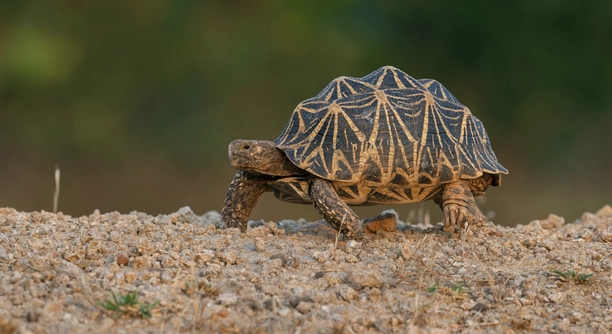
Turtles are wonderful creatures, but like all pets, they need proper care to stay healthy. One important part of their well-being is the condition of their shell. If your turtle’s shell is weakening, it can be a sign of underlying issues.
A turtle’s shell can weaken due to various factors, including poor nutrition, inadequate UV light, or underlying health conditions. Shell weakening can lead to more serious problems, affecting the turtle’s overall health and quality of life.
Being aware of the signs of a weakening shell is essential for your turtle’s care. Addressing the issue early can help improve their health and prevent more severe complications.
Lack of Proper Nutrition
A balanced diet is crucial for your turtle’s shell health. If they aren’t getting the proper nutrients, their shell can become weak and brittle. Turtles need calcium, protein, and a variety of vitamins to maintain a strong shell. Without these, their shells may lose strength, making them more vulnerable to damage. Over time, a lack of proper nutrition can lead to deformities in their shell.
If you’re unsure whether your turtle is getting enough of the right nutrients, consider researching turtle-safe foods. Many commercial turtle foods lack the necessary vitamins and minerals, so it’s essential to offer fresh vegetables, fruits, and calcium-rich foods like cuttlefish bone.
Feeding your turtle a diverse diet that includes leafy greens, some fruits, and a calcium supplement is key to helping them maintain a strong shell. Ensuring they have access to the correct food also supports their overall health. Regularly check their diet to make sure they are getting the right balance for long-term well-being.
Inadequate UV Lighting
Proper UVB lighting is essential for turtles to metabolize calcium and maintain a healthy shell. Without the right amount of UV light, turtles may suffer from weakened bones and shells.
UVB light helps your turtle produce vitamin D3, which is necessary for calcium absorption. If your turtle doesn’t receive sufficient UVB exposure, the result can be soft, weakened shells that are more likely to get damaged. Make sure to place your turtle under a proper UVB light for 10-12 hours a day.
The right type of UVB light helps ensure that your turtle absorbs calcium from its food properly. Without proper lighting, even the best diet may not be enough to prevent shell issues. If you’re using artificial lighting, it’s also important to replace the bulbs regularly as their effectiveness diminishes over time. Always double-check that the light is positioned correctly to provide the necessary exposure.
Shell Injuries
Shell injuries can occur due to rough handling or accidents, and they can weaken the shell over time. Even small cracks or chips can lead to more serious issues if not addressed.
If your turtle’s shell has visible cracks or punctures, it’s important to clean the injury carefully to prevent infection. Apply a turtle-safe antibiotic ointment and keep the area dry until it heals. Always ensure the turtle isn’t in any water or humidity while it heals to avoid further complications.
In more severe cases, the damage might need professional veterinary attention. If you notice swelling, pus, or any signs of infection, it’s important to visit a vet who can help treat the injury properly. While small injuries might heal over time with the right care, larger ones can affect the overall structure and strength of the shell. Act quickly to avoid worsening the condition.
Improper Habitat Conditions
A poorly maintained habitat can negatively impact your turtle’s health, including the condition of their shell. Factors like temperature, humidity, and water cleanliness play a huge role in shell strength.
Turtles require specific environmental conditions to stay healthy. The water temperature should be between 75 and 85 degrees Fahrenheit, and the basking area should be around 90 to 95 degrees. If these conditions aren’t met, it can stress your turtle and affect the shell’s health.
In addition, water quality is crucial. Dirty water can lead to infections or parasites that weaken the shell. Regular water changes and a good filtration system are essential for maintaining a clean and safe environment for your turtle. Make sure the basking area has a UVB light source to help your turtle get enough exposure for calcium absorption.
Stress and Overhandling
Stress from overhandling or constant changes in the environment can harm your turtle’s shell health. Too much interaction can lead to physical strain on their shell.
Turtles are sensitive creatures, and excessive handling or sudden environmental changes can cause stress. Stress can lead to weakened immune systems and a higher chance of shell problems. Try to limit unnecessary handling and provide a stable, calm environment for your turtle.
Ensure your turtle has enough time to rest in its habitat without constant disturbances. Letting them acclimate to their surroundings will help reduce stress, improving their overall health and shell condition.
Poor Hydration
Turtles need a consistent supply of clean water to stay hydrated. If they don’t get enough water, their shell can become brittle and weak.
Ensure your turtle always has access to clean water, both for drinking and swimming. Dehydration can lead to more severe shell problems over time. Change the water regularly to keep it fresh and clean. Turtles often stay hydrated by soaking in their environment, so water quality matters.
A hydrated turtle is far more likely to maintain a strong and healthy shell. Regular monitoring of water levels and cleanliness can go a long way in preventing hydration-related issues.
FAQ
What causes a turtle’s shell to soften?
A turtle’s shell can soften due to a lack of proper calcium and vitamin D3, both essential for maintaining a strong shell. If they’re not receiving enough UVB light, they can’t properly metabolize calcium from their diet. This leads to soft or brittle shells, making them more prone to damage. Inadequate hydration, poor diet, and improper habitat conditions can also contribute to softening.
How can I prevent my turtle’s shell from weakening?
Maintaining a balanced diet is the best way to prevent shell weakening. Provide a variety of foods like leafy greens, fresh fruits, and protein. Offer calcium-rich foods and supplements like cuttlefish bone. Ensure your turtle gets proper UVB exposure by using a quality UVB bulb for 10-12 hours a day. A clean, stable habitat with the right temperature and water quality will also help.
Can stress affect my turtle’s shell health?
Yes, stress can negatively impact your turtle’s health, including its shell. Constant handling, sudden changes in the environment, or overcrowding can cause stress. Stress weakens your turtle’s immune system, making it more vulnerable to infections and shell problems. Create a calm environment with minimal disturbances to reduce stress levels.
How do I know if my turtle’s shell is damaged?
Look for cracks, chips, or any signs of soft spots. Discoloration, swelling, or noticeable changes in shape are also red flags. If you see visible injury or infection, it’s important to address the problem immediately. If you notice any unusual behaviors like loss of appetite or lethargy, it could be related to shell damage.
Is it necessary to take my turtle to a vet if its shell is weakening?
If you notice signs of severe shell damage or infection, it’s crucial to consult a vet. A professional can assess the condition of the shell and provide the proper treatment, whether it’s medication or a specialized diet. In cases where the shell has been severely injured, surgery might be required.
Can a weakened shell heal over time?
A weakened shell can recover, but only with proper care. Depending on the cause, changes in diet, environment, and light exposure can help the shell regain its strength. If the damage is superficial, it may improve on its own with better conditions. However, more severe damage may need veterinary intervention.
How often should I change my turtle’s water to prevent shell issues?
To ensure good water quality, change your turtle’s water every 1-2 weeks, depending on the size of the tank and the number of turtles. A filtration system can help maintain water cleanliness longer, but regular water changes are still necessary to prevent toxins from building up, which can affect your turtle’s health, including the shell.
Can overhandling my turtle cause shell damage?
Yes, overhandling your turtle can cause physical strain and stress. Turtles are delicate creatures, and constant handling can cause injury to their shell or weaken their immune system, making it harder for them to recover from any existing shell issues. Limit handling and allow your turtle to rest in its habitat for proper health.
What type of food helps strengthen a turtle’s shell?
Turtles need a balanced diet that includes vegetables, fruits, and protein. Leafy greens like kale, dandelion greens, and collard greens are excellent choices. Foods rich in calcium, such as cuttlefish bone, are vital for shell strength. You can also offer occasional protein, like insects or small fish, to provide essential nutrients.
Can I use a regular light bulb for my turtle’s UVB needs?
No, a regular light bulb won’t provide the necessary UVB rays that your turtle needs to metabolize calcium. You need a UVB-specific bulb designed for reptiles. These bulbs emit the proper wavelength of light, which helps your turtle produce vitamin D3 and absorb calcium. Make sure the bulb is placed correctly in the basking area for proper exposure.
What is the ideal temperature for my turtle’s habitat?
Turtles need both a warm basking area and cooler swimming water. The basking spot should be between 90-95°F, while the water temperature should range from 75-85°F. Maintaining these temperatures helps your turtle maintain a healthy metabolism, supports calcium absorption, and aids in shell strength. Use thermometers to monitor the temperature regularly.
Can I give my turtle supplements for its shell?
Yes, providing calcium supplements can be beneficial if your turtle’s diet lacks enough calcium. You can offer calcium powder sprinkled on their food or provide cuttlefish bone for them to chew on. Ensure that the calcium is in the right form, and avoid over-supplementing, as too much can cause other health issues.
How do I properly clean my turtle’s shell?
Cleaning your turtle’s shell should be done carefully. Use a soft brush to remove dirt or debris from the surface. Make sure to rinse off any cleaning solution completely. Avoid harsh chemicals, as they can irritate your turtle’s skin and shell. Keeping the shell clean helps prevent infections and keeps the shell healthy.
Final Thoughts
Taking care of a turtle’s shell is essential for its overall health and well-being. A weakened shell can be a sign of various issues, such as poor nutrition, inadequate lighting, or stress. Understanding the factors that can affect your turtle’s shell is important for preventing long-term damage. By providing a proper diet, the right lighting, and a stable environment, you can help ensure your turtle’s shell stays strong and healthy. Regular observation and prompt attention to any signs of shell problems are key to preventing more serious health issues.
If you notice any cracks, soft spots, or discoloration on your turtle’s shell, it’s crucial to address the issue as soon as possible. Small injuries can heal with proper care, but if left untreated, they could lead to infections or more severe damage. Make sure to offer your turtle a balanced diet that includes calcium and UVB light to support healthy shell growth. Regularly clean your turtle’s habitat and water to ensure a safe and clean environment. This will help prevent shell issues related to dirty or unbalanced water conditions. Providing a consistent and stress-free environment is just as important for your turtle’s health.
In some cases, it may be necessary to consult with a vet if your turtle’s shell is severely damaged or shows signs of infection. A veterinarian can offer professional advice and treatment to ensure your turtle recovers properly. Overall, by paying close attention to your turtle’s needs and environment, you can help prevent shell problems and ensure your pet’s long-term health. Taking small steps to maintain a healthy lifestyle for your turtle will pay off, keeping their shell strong and their overall health in good condition.

Hello,
If you enjoy the content that we create, please consider saying a "Thank You!" by leaving a tip.
Every little bit helps us continue crafting quality advice that supports the health, happiness, and well-being of pets around the world, for pets of all shapes, sizes, and species.
We really appreciate the kindness and support that you show us!