
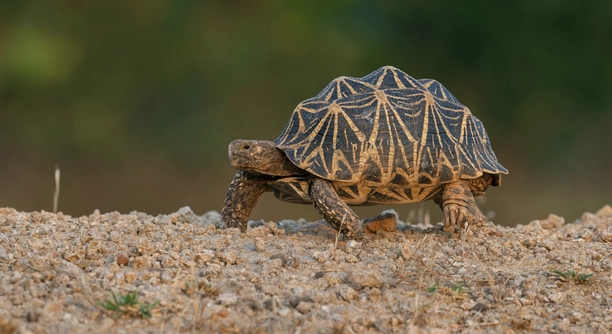
Is your turtle spending most of its time sitting still instead of exploring its environment? A sedentary lifestyle can lead to boredom and potential health issues, making it important to find ways to keep your turtle active and engaged.
Encouraging your turtle to be more active involves providing a stimulating habitat, adjusting its diet, and introducing interactive elements. Creating a well-balanced environment with proper lighting, temperature, and enrichment activities will help promote movement and overall well-being.
Understanding the factors that influence your turtle’s behavior can make a significant difference in its activity levels. From habitat adjustments to diet modifications, simple changes can help ensure a healthier and more energetic pet.
Provide a Spacious Habitat
A small enclosure can limit your turtle’s movement, making it less likely to stay active. Giving your turtle a larger space to explore allows for natural behaviors like walking, climbing, and swimming. A well-structured habitat with various surfaces, hiding spots, and basking areas encourages regular movement. Ensure the enclosure is equipped with clean water for swimming, proper lighting, and an appropriate temperature gradient. Different textures, such as rocks and logs, can make the space more engaging. The more stimulating the environment, the more likely your turtle will stay active and engaged throughout the day.
A cramped space can lead to stress and inactivity. A well-sized habitat supports your turtle’s physical and mental well-being. Giving it room to explore will help prevent boredom and encourage movement.
A well-planned setup can make a big difference in your turtle’s daily activity levels. A larger enclosure promotes exploration, helping it maintain a natural and healthy routine.
Offer a Varied Diet
Diet plays a significant role in your turtle’s energy levels. A poor diet can cause sluggishness, while a well-balanced diet keeps your turtle active. Fresh vegetables, protein sources, and calcium-rich foods support overall health and movement.
Incorporating a variety of food items can help keep your turtle interested in mealtime. Leafy greens like kale and collard greens provide essential nutrients. Protein sources such as insects, fish, or commercial pellets add variety and energy. Calcium is necessary for strong bones and shell health, which directly affects movement. Make sure to offer a mix of foods that match your turtle’s species-specific dietary needs. Hydration is also important, so always provide fresh water.
Feeding your turtle a diverse diet ensures it gets the nutrients it needs to stay active. A well-fed turtle will have the energy to move around, explore, and remain engaged in its environment.
Add Enrichment Activities
Toys and obstacles can encourage movement. Placing floating objects in the water, adding tunnels, or creating climbing areas keeps your turtle engaged. Regularly changing these elements prevents boredom and encourages curiosity, leading to more activity throughout the day.
Live prey can be a great way to stimulate movement. Feeder fish, insects, or worms encourage natural hunting behaviors. This not only provides exercise but also mental stimulation. Additionally, introducing puzzle feeders or food-dispensing toys can make mealtime more interactive. Small ramps and bridges give turtles opportunities to climb, while different water levels encourage swimming. Changing these elements occasionally ensures that your turtle stays interested and active.
Supervised time outside the enclosure can also help. Letting your turtle explore a safe, enclosed outdoor space exposes it to new sights and smells, promoting movement. Always ensure the area is secure and free from potential dangers like predators or extreme temperatures.
Maintain Proper Lighting and Temperature
UVB lighting is necessary for calcium absorption and overall energy. Without it, your turtle may become sluggish and develop health issues. Ensure the enclosure has a UVB bulb and a basking area with a heat lamp to promote movement and activity.
A well-regulated temperature gradient supports your turtle’s natural behavior. Turtles rely on external heat sources to regulate their body temperature. If the habitat is too cold, they may become inactive. The basking area should be warm enough to encourage movement, while the cooler areas allow them to rest. Water temperature is equally important for aquatic species. Regularly checking and adjusting temperatures ensures that your turtle remains comfortable and energetic.
Providing a consistent light and heat cycle mimics natural conditions. A 12-hour day and night cycle helps regulate their activity levels. Ensuring proper lighting and temperature keeps your turtle healthy, engaged, and more likely to move around regularly.
Allow Safe Exploration
Supervised exploration outside the enclosure helps increase activity levels. A secure space with natural elements like grass, rocks, and leaves encourages movement. Outdoor time provides new sights, smells, and textures that keep your turtle engaged and curious. Always monitor closely to prevent accidents or escapes.
An indoor play area can also work. Placing safe obstacles, tunnels, and textured surfaces in a designated space allows your turtle to explore in a controlled environment. Rotating these elements prevents boredom and keeps activity levels high. Regular exploration time outside the enclosure helps maintain a healthy and active lifestyle.
Keep Water Clean and Fresh
Dirty water can discourage swimming and lead to health problems. A well-maintained tank with clean, filtered water encourages movement. Regular water changes and proper filtration help maintain a safe and inviting environment. Fresh water also reduces stress, making your turtle more likely to stay active.
Handle Your Turtle Regularly
Gentle handling can encourage movement. Picking up your turtle and letting it move around on different surfaces can provide stimulation. Short handling sessions help it feel comfortable and engaged. Always handle with care, avoiding excessive force or stress to ensure a positive experience.
FAQ
How can I tell if my turtle is too inactive?
If your turtle is spending long periods of time sitting still or showing little interest in food, it may be inactive. Inactivity could also show in reduced movement in the water or lack of exploration in its habitat. Healthy turtles usually swim, climb, or bask throughout the day. If you notice your turtle staying in one spot for an extended period or only moving when it needs food, it could be a sign that something is wrong. Make sure to check for any changes in behavior, as it may also be a sign of stress or illness.
What should I do if my turtle seems stressed?
Turtles can become stressed for many reasons. Common causes include sudden changes in their environment, improper water temperature, or overcrowding in their tank. If your turtle seems stressed, try adjusting the lighting or temperature, and ensure its enclosure is not too small. If you’ve recently introduced a new turtle or pet, this might be a cause of stress as well. It’s important to monitor your turtle and make changes gradually. You can also help reduce stress by keeping a consistent routine, as sudden changes can make them feel threatened.
How can I make my turtle more active at night?
Turtles are generally more active during the day, though some species may be more active at night. If your turtle is active during the night, make sure it has access to a comfortable, warm, and safe space for that time. Some turtles prefer the cooler, darker conditions of night to roam and explore. Consider adjusting the lighting schedule to give your turtle longer daylight hours during the day, while still providing a dark, quiet environment at night.
Can I use live food to encourage my turtle to be more active?
Yes, live food can help encourage movement and activity. Live insects, fish, or worms will trigger your turtle’s hunting instincts, prompting it to be more active. You can offer these live food items in small amounts, allowing your turtle to chase and catch them. However, you should always ensure the live food is appropriate for your turtle’s size and species to avoid overfeeding or causing digestive issues. Live food also provides mental stimulation, which can improve your turtle’s overall well-being.
How often should I change my turtle’s water to promote activity?
Clean water is crucial for your turtle’s health and activity levels. It’s best to change the water at least once a week, but depending on the size of your tank and filtration system, you may need to change it more frequently. Dirty water can cause stress and make your turtle less inclined to move. If the water is visibly cloudy or smells bad, it’s a clear sign that it needs to be changed immediately. Regular water changes help ensure a healthy, inviting environment for your turtle, encouraging it to stay active.
Do I need to provide my turtle with UVB light for activity?
Yes, UVB light is necessary for your turtle’s health and can directly affect its activity levels. UVB light helps turtles absorb calcium, which is crucial for maintaining a healthy shell and bones. Without proper UVB exposure, turtles may become lethargic and more likely to stay inactive. Make sure to provide a UVB light source for about 10-12 hours a day. If your turtle isn’t getting enough UVB light, its metabolism and movement may slow down. Ensure that the light is positioned at the correct distance from the basking area for maximum benefits.
Can temperature affect my turtle’s activity?
Yes, temperature plays a significant role in your turtle’s activity. If the environment is too cold, your turtle may become sluggish or inactive. On the other hand, if it’s too hot, your turtle might become stressed and avoid moving. A proper temperature gradient, with a warm basking area and cooler water, ensures your turtle can regulate its body temperature. Make sure the basking area is warm enough, typically between 85-90°F (29-32°C), and the water temperature should be in the range that suits your turtle’s species. Maintaining these temperatures encourages healthy behavior and activity.
How can I encourage my turtle to exercise?
Turtles need space to move around, so providing a larger habitat with a variety of surfaces and obstacles is key. You can encourage exercise by adding ramps, climbing structures, or platforms for your turtle to explore. Live food or moving objects like floating toys can also stimulate your turtle’s natural instincts and promote activity. Regularly changing the setup in the enclosure keeps things interesting and encourages your turtle to explore more. Additionally, outdoor time in a safe, enclosed area provides a unique opportunity for exercise and exploration.
What should I do if my turtle won’t eat?
If your turtle isn’t eating, it could be due to stress, improper diet, or illness. Make sure your turtle’s environment is clean, with the proper lighting and temperature. If you’ve recently made changes to the habitat, such as adding new tank mates or altering the setup, give your turtle time to adjust. Try offering a variety of food types, such as fresh vegetables, fruits, or protein sources like insects. If the lack of appetite persists for several days or is accompanied by other signs of illness, it’s best to consult a veterinarian.
How long should my turtle be active each day?
The amount of activity your turtle requires varies by species. Generally, turtles should be active for several hours each day, swimming, basking, or exploring their habitat. You may notice that younger turtles tend to be more active, while older turtles might rest more. If your turtle is constantly inactive or seems lethargic, it could be a sign of environmental issues, stress, or health concerns. Ensuring your turtle has a variety of activities to engage in throughout the day helps maintain its energy and health.
Final Thoughts
Keeping your turtle active is essential for its overall health and well-being. Just like any pet, turtles need a stimulating environment to stay healthy and engaged. By providing them with enough space to roam, climb, swim, and explore, you encourage them to move around naturally. Regularly changing their habitat setup, adding new obstacles, and offering a variety of activities will keep your turtle mentally and physically active. This not only helps reduce boredom but also prevents health issues related to a lack of exercise.
Diet also plays a big role in a turtle’s energy levels. Offering a balanced diet filled with the right nutrients can improve both its activity and mood. Fresh vegetables, proteins, and calcium-rich foods are all important parts of your turtle’s nutrition. When feeding your turtle, make sure to provide a variety of foods to keep it engaged during mealtime. A diverse diet will also ensure it has the energy needed to stay active throughout the day. In addition to food, making sure the water is clean and fresh is equally important to avoid stress and health problems.
Lastly, remember that your turtle’s activity depends on many factors such as temperature, lighting, and regular care. Maintaining the right environment with proper UVB lighting, heating, and a clean tank will encourage your turtle to be more active. With the right care, your turtle will feel comfortable and stimulated, making it more likely to move around and explore. A well-kept environment and a consistent routine will help your turtle stay happy, healthy, and active for years to come.

Hello,
If you enjoy the content that we create, please consider saying a "Thank You!" by leaving a tip.
Every little bit helps us continue crafting quality advice that supports the health, happiness, and well-being of pets around the world, for pets of all shapes, sizes, and species.
We really appreciate the kindness and support that you show us!