
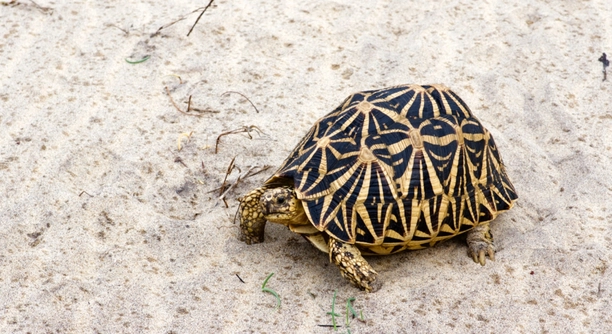
Turtles are fascinating pets, but sometimes their behavior can leave you wondering what’s going on. One common behavior is scratching at the glass at night, which many turtle owners notice.
The most likely reason your turtle scratches the glass at night is due to stress or an attempt to escape. Turtles may be trying to find food, a mate, or a better living environment. This behavior is often a sign of discomfort.
There are several reasons behind this behavior, from environmental stress to the lack of space. Understanding these causes will help you address the issue and improve your turtle’s well-being.
Common Causes of Scratching
Turtles scratching at the glass can be linked to a few different factors. One of the most common reasons is the turtle’s natural instinct to explore its surroundings. If they feel trapped or confined, they may attempt to escape. This can happen if they don’t have enough space in their tank or if they are stressed. Turtles are also known to scratch at the glass if they are searching for food or a mate. When they are in an unfamiliar environment or feel insecure, they may not understand why they can’t find what they’re looking for.
Turtles are also sensitive to changes in their habitat. A sudden shift in lighting, temperature, or water quality can cause discomfort and trigger this behavior. They rely heavily on their environment to feel safe and comfortable, so any issues could prompt a reaction.
To reduce this behavior, it’s important to make sure your turtle’s tank is large enough, has proper filtration, and is kept in a consistent environment.
How to Address the Behavior
Making a few simple adjustments can help your turtle feel more comfortable.
A proper tank size, along with the right water temperature and light, can make a significant difference. Consider adjusting these factors to reduce stress, which may help your turtle relax.
Tank Size and Space
A tank that’s too small can make your turtle feel cramped, which often leads to stress. When turtles don’t have enough space, they instinctively try to escape, sometimes scratching the glass. Providing ample space to swim and roam freely is crucial for their well-being.
A good rule of thumb is to provide 10 gallons of water per inch of turtle shell. This helps ensure they have plenty of room to move around. A small tank can also lead to water quality issues, making the environment uncomfortable. Consider upgrading to a larger tank if necessary, to avoid this problem.
You should also create areas in the tank where your turtle can climb out of the water. Adding a basking area allows them to rest and feel secure, reducing the need to scratch at the glass.
Lighting and Temperature
Improper lighting and temperature can make your turtle feel uneasy, especially at night. If their tank is too dark or the temperature fluctuates too much, they may become disoriented and scratch at the glass in search of comfort.
Turtles need a proper light cycle to mimic natural day and night patterns. Using a UVB light can help maintain their health, and a heat lamp will provide warmth during colder months. It’s also important to maintain a temperature gradient within the tank, allowing your turtle to regulate its body temperature. Without these proper conditions, they may feel stressed and engage in glass scratching.
Pay close attention to both daytime and nighttime conditions. Turtles, like all reptiles, rely on consistent light and warmth to stay healthy and calm. Make sure the tank reflects these needs to reduce the behavior.
Boredom and Lack of Stimulation
Turtles are active creatures that need mental stimulation. Without it, they may scratch the glass, hoping to find something to engage with. Lack of enrichment can lead to frustration, causing them to display repetitive behaviors like scratching.
You can add enrichment by introducing decorations, plants, and objects that allow your turtle to explore and interact with its environment. Hiding food inside objects like rocks or toys can encourage natural foraging behavior. This extra stimulation may help relieve the boredom and reduce their need to scratch.
Water Quality and Cleanliness
Poor water quality is a common cause of turtle stress, which often leads to behaviors like scratching. Dirty water can irritate their skin and eyes, making them uncomfortable.
Maintaining clean water in the tank is essential for your turtle’s health and happiness. Use a good filtration system and perform regular water changes. Keeping the water clean will help reduce the chance of your turtle scratching at the glass due to discomfort.
Hunger or Feeding Routine
Turtles may scratch at the glass if they are hungry or expect to be fed. If your turtle is used to a certain feeding schedule, missing meals can cause anxiety, leading them to search for food by scratching.
Make sure your turtle has a regular feeding schedule. Offer a balanced diet of both plant-based and protein-rich foods. By sticking to a routine and providing enough food, your turtle may feel more satisfied and less likely to engage in glass scratching.
FAQ
Why does my turtle scratch the glass at night?
Turtles often scratch the glass when they feel stressed, confined, or are simply exploring. If the tank is too small, the turtle may feel like it’s trapped and try to escape. The behavior can also be linked to environmental issues such as improper lighting, temperature fluctuations, or dirty water. Turtles need a consistent environment to feel safe. At night, when it’s dark, they may become more agitated and try to find a way out.
Can my turtle be trying to escape?
Yes, your turtle may be scratching the glass because it feels confined or restricted. In the wild, turtles have vast spaces to roam, and in captivity, they need enough space to swim, bask, and explore. If the tank is too small, they may attempt to escape by scratching at the glass.
How do I know if my turtle is stressed?
Signs of stress in turtles include glass scratching, loss of appetite, hiding, and erratic swimming. Stress can also show up through abnormal behavior, like excessive basking or becoming more reclusive. If your turtle is acting differently, it’s a sign that something in its environment might be bothering it.
What size tank does my turtle need?
The size of the tank is crucial for your turtle’s well-being. A general rule is to provide 10 gallons of water per inch of shell length. So, for a 4-inch turtle, you’ll need at least a 40-gallon tank. A larger tank provides more space for swimming and reduces the chances of stress.
Can poor water quality cause glass scratching?
Yes, poor water quality is a common cause of stress, leading to glass scratching. Dirty water can irritate a turtle’s skin and eyes, making it uncomfortable. Turtles need clean, well-filtered water to stay healthy. Regular water changes and using a proper filtration system are essential for maintaining water quality and preventing stress-related behaviors.
How often should I change the water in my turtle’s tank?
You should change the water in your turtle’s tank every 1 to 2 weeks, depending on the size of the tank and the number of turtles. Regular partial water changes help keep the water clean and reduce harmful bacteria. Additionally, using a filter can reduce the frequency of changes but should not replace them entirely.
What temperature should my turtle’s tank be?
Turtles need a specific temperature range to stay healthy. The water should be kept between 75°F and 85°F, while the basking area should reach 88°F to 95°F. A consistent temperature helps maintain your turtle’s comfort and reduces stress. Temperature fluctuations can cause discomfort and lead to behaviors like glass scratching.
Does lighting affect my turtle’s behavior?
Yes, improper lighting can cause stress. Turtles need UVB lighting to help them process calcium and maintain their health. The light should mimic natural day and night cycles to help regulate your turtle’s biological rhythms. Without proper lighting, turtles may feel disoriented or uncomfortable, leading to behaviors like scratching at the glass.
How can I stop my turtle from scratching the glass?
To stop your turtle from scratching the glass, start by making sure it has enough space. A larger tank, proper lighting, clean water, and a consistent temperature are all important factors. You should also add enrichment like plants and hiding spots to keep your turtle mentally stimulated. By addressing these issues, you can reduce the chances of scratching.
Should I give my turtle a basking area?
Yes, a basking area is essential for your turtle’s health. Turtles need a place to dry off and regulate their body temperature. Providing a basking area will make your turtle feel secure and help reduce stress. If the basking area is not suitable, your turtle may scratch the glass trying to find a better spot.
Is it normal for my turtle to scratch the glass occasionally?
Occasional glass scratching is normal, especially if the turtle is curious or searching for food. However, if it becomes a frequent behavior, it may indicate stress or discomfort. In such cases, you should assess the environment and make adjustments to reduce the causes of stress.
Can I use a tank mate to reduce my turtle’s stress?
Tank mates may help some turtles feel less isolated, but it’s essential to choose compatible species. Not all turtles get along, and adding a tank mate can sometimes cause more stress. If you decide to add another turtle, make sure there’s enough space for both to thrive and no aggressive behavior occurs.
How do I know if my turtle is hungry?
Turtles often scratch at the glass when they’re hungry, especially if they associate you with feeding time. They may also become more active and follow your movements when they expect food. If your turtle scratches the glass frequently around feeding time, consider adjusting its feeding schedule or providing more food.
Final Thoughts
Turtles scratching the glass at night is a common behavior that can stem from a variety of causes. It may be a sign of stress, boredom, or an issue with their living conditions. For example, if the tank is too small or the water quality isn’t ideal, your turtle might feel uncomfortable and try to find a way out. Even small changes in temperature or lighting can create a stressful environment. This behavior can also occur when turtles are hungry or feel uncertain about their surroundings. Recognizing the underlying causes is the first step to resolving the issue.
Providing a larger tank, clean water, proper lighting, and a consistent temperature can go a long way in improving your turtle’s comfort. Adding a basking area and some enriching objects can also help reduce the likelihood of scratching. Turtles are curious creatures, and they need space to explore, so ensuring that their habitat meets these needs is essential for their well-being. By making these adjustments, you can create a more peaceful and stimulating environment for your turtle, which will help reduce stress and prevent repetitive behaviors like scratching at the glass.
Lastly, it’s important to monitor your turtle regularly and make changes as needed. Regular tank maintenance, a balanced diet, and an appropriate lighting setup are key factors in keeping your turtle healthy and happy. If the behavior continues despite these changes, consider consulting with a veterinarian to rule out any medical issues. Taking the time to observe your turtle and make the necessary adjustments will not only solve the glass scratching but also improve their overall quality of life.

Hello,
If you enjoy the content that we create, please consider saying a "Thank You!" by leaving a tip.
Every little bit helps us continue crafting quality advice that supports the health, happiness, and well-being of pets around the world, for pets of all shapes, sizes, and species.
We really appreciate the kindness and support that you show us!