
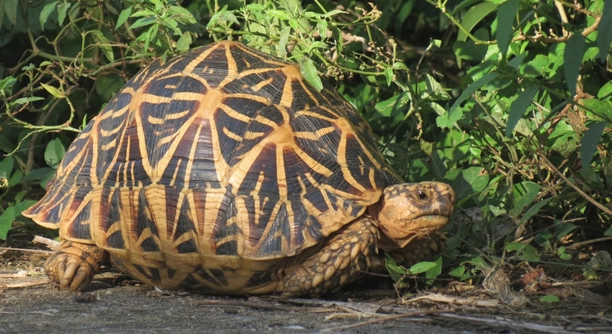
Basking lights are crucial for turtles to maintain their body temperature and health. Choosing the right one can make a big difference in their well-being and activity levels.
The best basking lights for turtles should provide adequate heat and UVB light. This helps regulate their body temperature and supports the absorption of calcium, which is essential for their shell and bone health.
Selecting the right basking light ensures your turtle gets the heat it needs for proper digestion and energy. Keep reading for a list of top options that can help your turtle thrive.
Importance of UVB Lighting for Turtles
UVB lighting plays a key role in a turtle’s health. Without it, turtles cannot properly metabolize calcium, which is vital for their shell and bone development. A lack of UVB light leads to health problems like soft shells and weakened bones, which can cause long-term harm. In the wild, turtles get UVB exposure from the sun, but in captivity, they depend on artificial lighting to provide this essential spectrum.
Choosing a basking light with UVB capabilities helps your turtle maintain proper calcium levels and supports overall health. UVB lighting should be placed at an appropriate distance from your turtle’s basking area to ensure it gets the right amount of exposure.
Along with heat, UVB light is an absolute must for a turtle’s well-being. These lights should be replaced regularly because they lose their effectiveness over time, even if they still appear to be working. Keep track of how long your bulb has been in use, as many UVB lights only last about six months to a year.
Types of Basking Lights to Consider
There are different types of basking lights available for turtles, and each has its benefits.
Heat lamps, mercury vapor bulbs, and UVB bulbs all serve different needs, so it’s important to consider what your turtle requires. Heat lamps provide warmth, while mercury vapor bulbs combine both heat and UVB light. Choose the right one to create an ideal environment for your pet.
The right combination of light helps your turtle bask comfortably. While some prefer a separate heat and UVB light setup, others benefit from a mercury vapor bulb that covers both needs. Make sure to monitor your turtle’s behavior to adjust the light if necessary. Too much heat or UVB light can cause stress or health issues. Additionally, take care to place the light source at a safe distance to avoid burns.
Best Basking Lights for Small Turtles
When choosing a basking light for small turtles, it’s important to consider their size and specific needs. Smaller turtles don’t require as much heat as larger ones, but they still need adequate warmth to stay active and healthy.
A heat lamp with a lower wattage is ideal for small turtles. Too much heat can cause stress and dehydration. The light should create a basking area that’s around 85-90°F. Place the light a few inches above the basking spot to avoid overheating your turtle. Make sure to monitor the temperature regularly.
UVB light is just as important for small turtles. Their smaller size means they require less exposure to UVB, but it’s still crucial for calcium absorption. Use a compact UVB bulb designed for smaller enclosures. Replacing bulbs regularly ensures your turtle continues getting the right amount of UVB.
Best Basking Lights for Large Turtles
Larger turtles require stronger basking lights to maintain their health. These turtles need more heat and UVB light to ensure proper digestion and calcium metabolism.
Mercury vapor bulbs are ideal for larger turtles because they provide both heat and UVB light. These bulbs can cover a larger area, so your turtle has enough space to bask and absorb the light properly. They also last longer than standard UVB lights, so you won’t have to replace them as frequently. Make sure the basking area temperature reaches around 90-95°F for large turtles.
For larger enclosures, consider using a combination of heat lamps and UVB lights. This setup gives you more control over the environment. However, make sure the heat lamp is powerful enough to warm the entire basking area. Keeping the light at the proper distance is key to preventing overheating. Always check the temperature frequently to ensure it remains consistent.
Choosing the Right Wattage for Your Turtle
Choosing the right wattage for your turtle’s basking light is crucial. Too high of a wattage can overheat your turtle, while too low won’t provide sufficient warmth. Make sure to choose a light that matches the size of your turtle and the size of their enclosure.
Generally, smaller turtles need lower wattage bulbs, while larger turtles require higher wattage for proper heat distribution. It’s important to check the basking spot temperature with a thermometer. Ensure it’s in the correct range, usually between 85-95°F, depending on your turtle’s size and species.
Mercury Vapor Bulbs vs. UVB Bulbs
Mercury vapor bulbs combine both UVB and heat, making them convenient for many turtle owners. They are long-lasting and provide strong light that covers a larger area. UVB bulbs, on the other hand, provide only UVB light, and a separate heat lamp is required.
Mercury vapor bulbs are more effective for larger enclosures or turtles that need both light sources in one. However, UVB bulbs are still necessary if you’re using heat lamps separately. Make sure the UVB bulb is appropriate for the size of your turtle’s enclosure and check it regularly for effectiveness.
Placement of Basking Lights
Proper placement of basking lights is key to ensuring your turtle’s comfort. The light should be positioned at a height where your turtle can bask comfortably without getting too hot.
For most setups, position the light about 6-12 inches above the basking area, depending on the wattage and the size of the bulb. If the light is too close, it can overheat the turtle; too far away and it won’t provide enough warmth. Keep the distance consistent and monitor the temperature to ensure a stable basking environment.
FAQ
What is the best type of basking light for my turtle?
The best type of basking light depends on your turtle’s size and the needs of its enclosure. For smaller turtles, a simple UVB bulb combined with a heat lamp works well. Larger turtles often benefit from a mercury vapor bulb, which provides both heat and UVB light in one. This reduces the need for multiple light sources and provides a more efficient setup. Always ensure the light can cover the entire basking area, giving your turtle enough space to move and find the warmth it needs.
How far should the basking light be from my turtle?
The basking light should be placed around 6-12 inches above the basking area. This distance ensures the turtle receives the right amount of heat and UVB without being overheated. It’s crucial to monitor the temperature at the basking spot to ensure it stays within the 85-95°F range. If the light is too close, it could burn your turtle, and if it’s too far, it might not provide enough heat.
How long should I keep the basking light on each day?
Your turtle’s basking light should be on for 10-12 hours a day. This mimics the natural daylight cycle and helps your turtle maintain a healthy sleep-wake pattern. Some turtle owners use a timer to make the lighting consistent. At night, the light should be turned off to allow your turtle to rest. Ensure your turtle has access to darkness during the nighttime to replicate a natural environment.
Can I use a regular light bulb for my turtle’s basking area?
Regular light bulbs do not emit UVB light, which is essential for your turtle’s health. While a regular bulb can provide some heat, it won’t provide the UVB exposure your turtle needs to absorb calcium properly. Always use a UVB-specific bulb or a mercury vapor bulb designed for reptiles to provide both light and heat in one.
How do I know if my turtle is getting enough UVB light?
If your turtle is not getting enough UVB light, you may notice signs like soft or deformed shells, lethargy, or poor appetite. A healthy turtle that receives adequate UVB light will have a hard, strong shell and remain active. If you suspect your turtle isn’t getting enough UVB, consider changing the bulb and making sure it’s placed at the correct distance to ensure proper exposure.
Do I need to replace the basking light regularly?
Yes, you should replace your basking light regularly. UVB bulbs lose their effectiveness over time, even if they still seem to be working. Most UVB bulbs need to be replaced every 6-12 months, depending on the type. Mercury vapor bulbs last longer, but it’s still important to monitor their effectiveness. Always check the manufacturer’s recommendations for the lifespan of your bulbs and replace them accordingly.
Can I use a heat mat instead of a basking light?
While heat mats can help maintain a warm environment for your turtle, they do not provide the UVB light that is essential for its health. A heat mat can be a supplementary heat source, but it should not replace a basking light. For optimal health, turtles need both heat and UVB light. You can use a heat mat combined with a UVB bulb or mercury vapor bulb for the best results.
What should the temperature be in the basking area?
The basking area should be kept between 85-95°F, depending on your turtle’s size and species. Smaller turtles tend to need slightly cooler temperatures (around 85°F), while larger turtles may require it to be closer to 95°F. Use a thermometer to monitor the temperature in the basking area and adjust the light if necessary.
Can I leave the basking light on all night?
No, it’s important to turn off the basking light at night to mimic the natural day-night cycle. Continuous light can disrupt your turtle’s sleep pattern and cause stress. Turtles need a period of darkness for rest. If you need to maintain warmth at night, consider using a ceramic heat emitter, which provides heat without light.
How do I set up the basking area for my turtle?
The basking area should be dry and have enough space for your turtle to climb out of the water and bask comfortably under the light. Ensure that the basking spot is elevated so that your turtle can easily climb onto it. The area should have a ramp or ledge that leads up from the water. Add a basking platform or rock, making sure it’s stable and secure. The light should be positioned directly above the basking area, keeping the correct distance for proper heat distribution.
What if my turtle isn’t basking under the light?
If your turtle isn’t basking under the light, it could indicate several issues. The temperature may be too high or too low, the light could be too far away, or your turtle might feel stressed or unwell. Check the setup and ensure the basking area is at the proper temperature and accessible. Also, consider whether your turtle is being disturbed or feels unsafe in the environment.
Are there any specific lighting requirements for different species of turtles?
Yes, some species of turtles may have slightly different lighting needs based on their natural habitat. For example, aquatic turtles tend to need more UVB light because they spend more time in the water. On the other hand, semi-terrestrial turtles may need slightly less UVB exposure. Always research your turtle’s specific species to understand its requirements and provide the best setup for its health.
Final Thoughts
Choosing the right basking light for your turtle is essential to ensuring its health and well-being. Turtles need a combination of heat and UVB light to maintain proper body temperature and support vital processes like calcium absorption. Without the proper lighting, turtles can develop health issues such as soft shells, weakened bones, and poor digestion. It’s important to provide the right environment by considering your turtle’s size, species, and specific needs when selecting basking lights.
When setting up your basking area, be mindful of the light’s distance from the turtle’s basking spot. Too much heat or UVB light can lead to stress or burns, while too little may not provide the necessary benefits. Regular monitoring of temperature and UVB exposure is important to ensure the setup is working correctly. Most lights will need to be replaced every few months, as their effectiveness decreases over time. Keep track of the life of your bulbs and swap them out as needed.
In conclusion, a proper basking light setup is one of the most important factors in your turtle’s care. By choosing the right type of light, maintaining the correct distance, and ensuring it provides both heat and UVB light, you can help your turtle thrive in a healthy and comfortable environment. Regular maintenance and monitoring are key to making sure everything stays in good condition. With the right basking light, your turtle will have the best chance of staying active, healthy, and happy for years to come.

Hello,
If you enjoy the content that we create, please consider saying a "Thank You!" by leaving a tip.
Every little bit helps us continue crafting quality advice that supports the health, happiness, and well-being of pets around the world, for pets of all shapes, sizes, and species.
We really appreciate the kindness and support that you show us!