
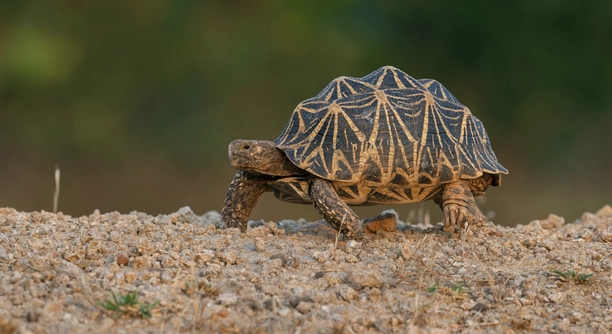
Turtles are fascinating creatures, and as a pet owner, you might notice some changes in their skin. If your turtle’s skin is peeling in small patches, you may be wondering if this is normal or something to worry about.
Skin peeling in small patches is often a natural part of a turtle’s shedding process, especially when they are growing. However, if it’s excessive or accompanied by other symptoms, it could indicate health issues like infection, dehydration, or poor environment conditions.
Understanding the causes behind your turtle’s skin shedding is essential for their well-being. We’ll walk you through the most common reasons and what steps you can take to ensure they stay happy and healthy.
What Causes Skin Peeling in Turtles?
Turtles shed their skin in small patches as part of their natural growth process. This happens when their old skin becomes too tight and is replaced by fresh layers. It’s similar to how humans peel after a sunburn or when they grow. However, if the peeling is excessive or irregular, it might be a sign of something else. The environment in which the turtle lives plays a big role in this. If the humidity or temperature is off, it can stress the turtle and cause abnormal skin shedding.
Dehydration can also lead to peeling. Turtles rely on moisture to maintain healthy skin, so lack of water can make their skin dry out and peel. A poor diet, lacking in essential nutrients like vitamin A, can also affect skin health.
If your turtle is showing signs of excessive peeling, it’s essential to check the habitat and diet closely. Make sure the water temperature and humidity levels are appropriate for the species.
When Should You Be Concerned About Skin Peeling?
While some peeling is normal, there are situations when it can indicate an underlying issue. If the skin is peeling in an irregular pattern, the turtle appears lethargic, or there are other signs like swelling or discoloration, it could mean something more serious.
An infection, usually caused by bacteria or fungi, can lead to abnormal skin shedding. Infected areas might become red, inflamed, or develop open sores. In these cases, treatment will likely be needed to help the turtle recover. Skin conditions like shell rot can also contribute to excessive skin shedding and can spread if left untreated.
To prevent infections, make sure your turtle’s habitat stays clean and dry. Regularly replace the water, clean the tank, and ensure the turtle has a proper basking area. Proper diet and hydration are just as important for keeping your turtle’s skin in good condition. If in doubt, it’s always best to consult a vet for advice.
How to Ensure Your Turtle’s Skin Stays Healthy
Proper hydration is key to maintaining healthy skin. Make sure your turtle always has access to clean, fresh water. This helps keep their skin moist and prevents it from becoming too dry or flaky. If your turtle isn’t drinking enough, consider using a shallow water dish for easier access.
A proper diet is also crucial. Include leafy greens, aquatic plants, and protein-rich foods like insects or fish. Vitamin A is particularly important for healthy skin. If your turtle’s diet lacks these nutrients, they might experience dry, peeling skin. Regularly check that their food is well-balanced to keep skin and shell in good condition.
The environment plays a large role in skin health. Make sure the humidity level in their habitat is adequate. If it’s too low, the skin can dry out, leading to peeling. Similarly, provide a proper basking area with the right temperature for your turtle to help them regulate their body temperature and shed their skin naturally.
When to Seek Veterinary Help
If your turtle is showing signs of excessive peeling or skin damage, it might be time to consult a vet. Watch for unusual skin conditions like lesions, swelling, or color changes. These could indicate infection or other health problems.
A vet will be able to diagnose the cause of the peeling and offer treatment options. Skin infections may require antibiotics, antifungals, or special creams. In some cases, the vet might suggest changes to your turtle’s habitat to help them heal. Keeping a close eye on any changes in behavior or physical appearance will help catch potential issues early.
Veterinary visits should also be considered if the peeling is accompanied by lethargy or poor appetite. These signs can indicate a deeper health issue that needs immediate attention.
How to Set Up a Proper Turtle Habitat
To keep your turtle healthy, the habitat must mimic their natural environment. This means having access to both water and a basking area. The water should be deep enough for swimming, while the basking area allows them to dry off and warm up.
Ensure the tank has a proper filtration system. Clean water is essential to prevent infections and maintain skin health. Regular water changes are a must to keep it free from bacteria. Additionally, avoid overcrowding the tank, as this can lead to stress and health issues for your turtle.
The Importance of UVB Lighting
UVB lighting is critical for turtles as it helps them produce vitamin D3, which is necessary for absorbing calcium. Without it, your turtle could develop shell deformities and weakened bones. Make sure the UVB light is positioned properly over the basking area and replaced regularly.
Turtles need UVB exposure for about 10-12 hours a day. Without it, their skin and shell health can suffer. Proper lighting is not just for shedding; it plays a role in your turtle’s overall health and well-being.
Diet Adjustments for Healthy Skin
Adjusting your turtle’s diet can improve skin condition. Include foods rich in vitamin A, like leafy greens, and provide protein sources like fish and insects. Vitamin A deficiency is a common cause of poor skin health and peeling.
A balanced diet will support their natural skin regeneration process. Avoid overfeeding and ensure you’re offering a variety of nutrients for skin, shell, and overall health.
FAQ
Why is my turtle’s skin peeling in small patches?
Peeling skin in small patches is usually a natural process that occurs as your turtle grows. This shedding helps remove old, worn-out skin to make way for fresh growth. However, if the peeling seems excessive or accompanied by other signs like redness or swelling, it could indicate an infection or environmental issues such as improper humidity or temperature levels. In most cases, mild skin shedding is nothing to worry about, but it’s always best to keep an eye on your turtle’s overall health and environment.
Is peeling skin always a sign of poor health?
Not always. Some skin peeling is entirely normal and part of a turtle’s regular growth process. Turtles shed their skin in patches as they grow and develop, much like snakes do. However, if the peeling is excessive or uneven, or if your turtle shows other symptoms like lethargy or loss of appetite, it might indicate a health issue. It’s essential to observe their behavior and appearance to determine if further action is needed.
How can I tell if my turtle’s peeling skin is caused by an infection?
Infection-related skin peeling will usually be accompanied by other signs, such as red or inflamed patches, open sores, or a change in the texture of the skin. If the skin is excessively discolored, inflamed, or has a foul odor, an infection could be the cause. Infected areas may also be warmer to the touch. If you suspect an infection, it’s best to consult with a vet to determine the appropriate treatment.
Can dehydration cause skin peeling in turtles?
Yes, dehydration can cause a turtle’s skin to become dry and flaky. Turtles require constant access to fresh water, not only for hydration but also to maintain healthy skin. If a turtle doesn’t drink enough or if the water temperature and humidity levels aren’t right, their skin may become excessively dry and start to peel. Ensure that your turtle’s environment is set up to provide adequate hydration and humidity to keep their skin healthy.
How do I prevent my turtle’s skin from peeling too much?
To prevent excessive skin peeling, ensure that your turtle’s habitat is well-maintained. Keep the water clean and at the appropriate temperature for your species of turtle. Humidity is also critical, so make sure it’s high enough to prevent their skin from drying out. A balanced diet that includes the right vitamins and minerals, especially vitamin A, is also crucial for healthy skin. Regular basking times under proper UVB lighting will help your turtle’s natural shedding process.
Should I be worried if my turtle has peeling skin in patches but seems otherwise healthy?
If your turtle’s behavior remains normal, and the peeling is limited to small patches, there’s no need to worry. This is usually just part of the natural shedding process. However, if you notice any changes in your turtle’s behavior, such as lethargy, a decrease in appetite, or a change in their usual activity level, you may need to take a closer look at their health. Otherwise, mild shedding is typical and can be managed with proper care.
Can stress cause skin peeling in turtles?
Yes, stress can impact a turtle’s health, including their skin. A stressed turtle may experience abnormal shedding or peeling as a result of environmental factors such as overcrowding, inappropriate tank conditions, or sudden changes in their environment. Ensure your turtle’s habitat is calm, secure, and suitable for their needs. A stable, well-maintained tank environment will reduce stress and help keep skin peeling to a minimum.
Is it safe to remove the peeling skin from my turtle?
It’s best not to remove peeling skin manually. The shedding process is natural, and the skin will come off on its own when it’s ready. Pulling at the skin could lead to injury or infection. If you notice that the peeling seems to be causing discomfort or if it’s excessive, it’s a good idea to consult a vet, but avoid trying to remove the skin yourself.
What is the role of UVB lighting in preventing skin issues for my turtle?
UVB lighting is essential for turtles as it allows them to produce vitamin D3, which is necessary for calcium absorption. Without proper UVB exposure, turtles can develop weak bones, poor shell health, and skin problems. UVB light helps regulate your turtle’s shedding process and supports overall skin health. Make sure the UVB light is positioned correctly above the basking area and is replaced regularly, as its effectiveness decreases over time.
How often should I replace the UVB bulb for my turtle’s tank?
UVB bulbs lose their effectiveness after around 6 months of use, even if they still emit light. It’s important to replace the bulb every 6 months to ensure your turtle gets the necessary UVB exposure. Some people use a UVB meter to test the output of their bulbs, but replacing them regularly is a good way to ensure they remain effective in supporting your turtle’s health.
Can a poor diet lead to skin issues in turtles?
Yes, a poor diet can contribute to skin problems. If your turtle is not getting the right nutrients, such as vitamins A and D3, their skin may become dry and peel excessively. A diet lacking in these essential vitamins can lead to skin issues, including shedding problems. It’s important to feed your turtle a varied diet that includes leafy greens, aquatic plants, and protein-rich foods like insects or fish to keep their skin healthy and vibrant.
How can I tell if my turtle’s peeling is due to malnutrition?
If your turtle’s skin is peeling and you notice other signs of malnutrition, such as lethargy, a decrease in appetite, or weight loss, the peeling could be a symptom of a poor diet. Malnutrition can weaken the skin and lead to excessive shedding. Ensuring your turtle has a well-balanced diet with the right mix of nutrients will help prevent these issues.
Final Thoughts
Skin peeling in turtles is generally a normal part of their growth process. As they age, they naturally shed old skin to make room for new growth. However, it’s important to observe the peeling closely. Small patches of skin shedding are typically nothing to worry about, but if the peeling seems excessive or is accompanied by other symptoms, it could indicate health issues. Monitoring your turtle’s behavior, diet, and habitat can help you determine whether the peeling is just part of their growth or a sign of something more serious.
Maintaining a proper environment for your turtle is crucial to their overall health. The right water temperature, humidity, and UVB lighting will help prevent excessive peeling caused by dehydration or lack of proper care. Turtles rely on their environment to stay healthy, so ensuring their habitat is clean and their basking area is adequately heated is key. A balanced diet, rich in nutrients like vitamin A, will support healthy skin and reduce the chances of peeling due to malnutrition. With a little effort in setting up the right conditions, you can help your turtle shed its skin naturally and maintain overall well-being.
If you notice any signs of infection, such as swelling, redness, or open sores, it’s important to seek veterinary help. Infections can worsen quickly and affect your turtle’s health if not treated properly. A vet will be able to determine if the peeling is due to an infection or another health concern and can suggest the right treatment. Always keep an eye on your turtle’s skin and behavior, and remember that while shedding skin is normal, any drastic changes should be addressed. Taking proactive steps can help ensure your turtle stays happy, healthy, and comfortable.

Hello,
If you enjoy the content that we create, please consider saying a "Thank You!" by leaving a tip.
Every little bit helps us continue crafting quality advice that supports the health, happiness, and well-being of pets around the world, for pets of all shapes, sizes, and species.
We really appreciate the kindness and support that you show us!