
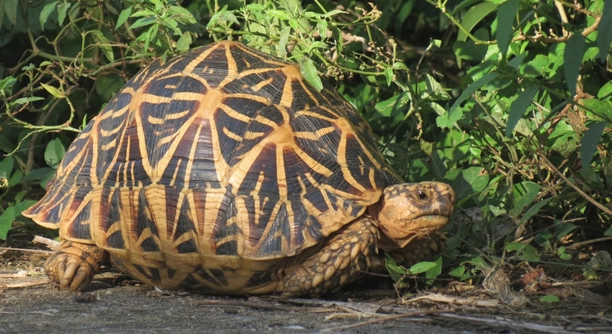
Has your turtle’s tail become stuck in its shell? This unusual issue can cause concern, but understanding the possible causes can help you address it effectively. Knowing what’s going on can prevent further discomfort for your pet.
The main reason a turtle’s tail may get stuck in its shell is due to impaction or infection. Blockages or inflammation can lead to the tail becoming lodged. In some cases, a deformity or injury may also cause the problem.
Understanding the possible causes of your turtle’s tail being stuck will guide you in addressing the issue properly. With the right care, your turtle can feel comfortable again.
Common Causes of a Turtle’s Tail Getting Stuck
There are a few possible reasons your turtle’s tail may get stuck in its shell. The most common cause is impaction, which happens when something, like debris or waste, blocks the turtle’s vent. This blockage can cause swelling or inflammation around the tail, making it difficult for your turtle to move or retract it properly. Another reason could be infection or injury. If the tail becomes infected, it may swell, causing the tail to become stuck. In rare cases, birth defects or deformities can prevent proper movement of the tail. Regular observation of your turtle’s behavior and surroundings can help identify these issues before they become serious.
One important thing to check is whether there’s anything physically blocking the tail, such as pieces of substrate or food.
Turtles are naturally clean animals, but when there is an obstruction, the tail can become stuck. In some cases, poor water conditions, like a dirty tank, can contribute to infections or make it harder for the tail to retract. If your turtle spends most of its time in water that isn’t clean, bacteria can build up around the tail, causing discomfort or infection. Proper water filtration and regular cleaning of the tank are essential in preventing these types of problems. Ensuring that your turtle has a clean and stress-free environment helps avoid many common issues, including tail problems.
How to Help Your Turtle
If you notice your turtle’s tail is stuck, it’s important to act quickly. First, make sure the water temperature is right, as extreme temperatures can cause stress. Gently examine the tail to look for swelling or signs of infection, and check if there is any debris stuck around it. If you see any visible obstructions, you can gently remove them, but be cautious not to cause injury.
If the issue persists, it’s best to consult a vet for advice. Sometimes, infections or more serious conditions require professional treatment. If there is an infection, your vet may recommend medication or other treatments. In some cases, physical therapy may help your turtle regain movement in the tail. Taking swift action can prevent further issues from arising. Regularly check your turtle’s health, and provide a clean environment to minimize the risk of complications. With the right care, your turtle should recover and be able to move its tail freely again.
Identifying Symptoms of Infection or Injury
Infections around your turtle’s tail often show up as swelling, redness, or discharge. The area around the tail may appear inflamed or painful when touched. If your turtle is having trouble retracting its tail, it might be a sign of an infection or injury. Observing how your turtle behaves can provide clues.
Infected tails can also cause your turtle to act differently. If your turtle is lethargic, has a loss of appetite, or is avoiding movement, infection might be the issue. Bacteria or fungi can enter through minor injuries, causing discomfort or even a more serious infection. Keep an eye on any unusual behaviors and take action as soon as possible.
Turtles that have had physical injuries to their tails may show signs of limping or abnormal movements. Small cuts or abrasions can lead to infections if left untreated. In these cases, it’s important to clean the affected area gently with warm water and follow up with professional care if the problem doesn’t improve. You’ll want to avoid putting your turtle in dirty water until it recovers to prevent worsening the condition.
The Importance of Proper Tank Care
A clean tank is essential for preventing infection and other health issues. Make sure to regularly check the water quality by testing pH levels, ammonia, and nitrites. Poor water quality can easily lead to skin infections, which may affect the tail area. A filter system that works well will help remove waste, keeping the water clear and safe for your turtle. Additionally, frequent water changes will ensure your turtle stays healthy.
Without proper tank maintenance, your turtle could be at risk for infections, skin irritation, and even stress. A tank with poor water circulation can cause waste to accumulate, which creates an ideal environment for bacteria to grow. Keeping the water clean is one of the simplest ways to prevent these types of problems. It’s also important to ensure the tank has enough space and is free of sharp objects that could injure your turtle. Regular cleaning of both the tank and the turtle’s shell will help maintain overall health and reduce the risk of infection.
Potential Impact of Overfeeding
Overfeeding can lead to digestive problems that affect your turtle’s overall health, including tail issues. Excess food can block the digestive system, causing discomfort and swelling around the tail area. This may make the tail appear stuck or difficult for the turtle to move.
It’s crucial to feed your turtle the right amount of food for its size and species. Overfeeding not only impacts the tail but can also lead to obesity and other health problems. Monitor your turtle’s diet closely to ensure it’s eating what it needs without overindulging. Stick to a feeding schedule and avoid offering excessive food.
Stress and Its Effect on Your Turtle
Stress can also contribute to physical problems with your turtle’s tail. Turtles exposed to sudden changes in their environment, loud noises, or the presence of other animals may experience stress, leading to a lack of proper tail movement. Stress can even cause health problems that affect behavior.
When a turtle is stressed, its immune system weakens, making it more vulnerable to infections. It’s important to create a calm, stable environment for your turtle. Ensure its habitat has proper lighting, temperature, and humidity levels to reduce stress and promote better health.
When to Seek Professional Help
If your turtle’s tail doesn’t seem to improve or shows worsening symptoms, it’s time to consult a vet. Professional help can make a huge difference in diagnosing and treating any underlying issue. A vet will examine your turtle and might conduct tests to identify the root cause.
Veterinarians have the necessary tools to safely treat infections or injuries and can provide recommendations for recovery. They may suggest medications or specific care instructions to help your turtle heal. If the problem is more serious, they can guide you through the next steps, ensuring your turtle’s well-being.
FAQ
Why is my turtle’s tail stuck?
A turtle’s tail can become stuck in its shell due to several reasons, including impaction, infection, injury, or even deformities. If there is an obstruction, like waste or debris, it can block the tail’s movement. Infections or inflammation from bacterial or fungal growth may also make the tail difficult to move. It’s important to observe your turtle’s behavior and look for signs of swelling, redness, or discharge around the tail. These signs could indicate an underlying issue that needs immediate attention.
What should I do if my turtle’s tail is stuck?
First, ensure your turtle is in clean water and check the water temperature to make sure it’s within the proper range. Gently inspect the tail to see if there are any visible blockages or debris. If something is stuck, try to remove it carefully. If you notice signs of infection or injury, it’s best to consult a vet. Do not try to force the tail out as it can cause further damage. A vet can help diagnose the issue and provide appropriate treatment, whether it’s medication or physical therapy.
Can poor water quality cause a turtle’s tail to become stuck?
Yes, dirty water can lead to infections, which can cause swelling and prevent proper movement of the tail. If the tank water is not filtered correctly or changed frequently, bacteria can build up, making it easier for your turtle to develop skin infections. Keeping the water clean and ensuring proper filtration can prevent these issues. Clean water helps maintain your turtle’s health, reducing the risk of impaction and infection, both of which can affect the tail’s mobility.
How can I tell if my turtle has an infection?
An infected tail will often show signs like swelling, redness, discharge, or a foul smell. Your turtle may also act differently, like being lethargic, eating less, or avoiding movement. If the tail seems painful to touch or doesn’t retract properly, this could indicate an infection. In some cases, the turtle may develop a visible wound or cut around the tail area. If you suspect an infection, it’s best to consult a vet for treatment as soon as possible.
What should I feed my turtle to avoid overfeeding?
To avoid overfeeding, offer your turtle a balanced diet based on its species. Typically, adult turtles only need to be fed every other day, while juveniles require more frequent feedings. Avoid offering too much food at once. Remove any uneaten food from the tank to prevent water contamination. Stick to feeding high-quality turtle pellets, leafy greens, and some protein sources like small fish or insects. Overfeeding can lead to digestive problems and contribute to obesity, which can affect the overall health of your turtle, including the tail area.
Can stress cause my turtle’s tail to get stuck?
Yes, stress can lead to physical issues in your turtle, including problems with its tail. Turtles that experience stress from environmental changes, like loud noises, temperature fluctuations, or the presence of other aggressive animals, may become more susceptible to infections or swelling. Stress weakens the immune system, which can make your turtle more vulnerable to health issues. Creating a calm and stable environment is essential to help your turtle avoid stress and maintain its overall well-being.
How can I prevent my turtle from getting tail problems in the future?
To prevent tail problems, keep your turtle’s environment clean and ensure it has a balanced diet. Regularly check the water quality and perform routine tank maintenance, including water changes and cleaning the filter. Providing proper heating, lighting, and humidity levels is also crucial to keep your turtle healthy. If you notice any signs of infection or abnormal behavior, address them quickly before they become more severe. Consistent care and monitoring can help avoid complications related to your turtle’s tail.
Can an injury cause my turtle’s tail to be stuck in its shell?
Yes, an injury to the tail can cause swelling or scarring that prevents the tail from moving freely. Turtles are often sensitive to physical trauma, and even small injuries can lead to bigger problems if not treated. If your turtle suffers a tail injury, it’s important to clean the wound and ensure it heals properly. Any abnormal behavior or difficulty moving the tail should be checked by a vet to prevent further issues.
What are the best tank conditions for my turtle’s health?
A clean, well-maintained tank is essential for your turtle’s health. Ensure the water temperature is within the correct range for your species of turtle—usually between 75-85°F. Maintain good filtration to keep the water clean and change it regularly to prevent bacterial growth. Turtles also need access to UVB lighting for their shell and overall health. It’s important to provide a basking area for your turtle to dry off and regulate its body temperature. Keeping the tank clean and maintaining optimal environmental conditions will help prevent many health problems, including issues with the tail.
How do I clean my turtle’s tail safely?
If you need to clean your turtle’s tail, use warm water and a soft cloth or sponge. Gently wipe around the tail to remove any debris or dirt. Be very careful not to cause any injury. If you suspect an infection or swelling, do not attempt to clean it yourself and consult a vet. Keeping the tail area clean can prevent infections, but avoid using harsh chemicals or soaps, as these can harm your turtle. Always handle your turtle with care during cleaning to avoid stress or injury.
Is it common for a turtle’s tail to be stuck?
No, it’s not common for a turtle’s tail to get stuck in its shell, but it can happen in certain circumstances. Impaction, infections, or injuries are the main causes of this issue. Keeping a close watch on your turtle’s behavior and the condition of its tank can help prevent problems from developing. Regular checkups and proper care are key to keeping your turtle healthy and ensuring the tail remains mobile.
Final Thoughts
If your turtle’s tail is stuck in its shell, it’s important to address the issue quickly to prevent further complications. The causes of this problem can range from something simple, like impaction or debris blocking the tail, to more serious issues such as infections or injuries. Recognizing the symptoms early on, like swelling or abnormal behavior, can help you take action before the situation worsens. By keeping your turtle’s environment clean, monitoring its health, and providing a balanced diet, you can reduce the chances of tail problems.
Turtles are sensitive creatures, and their health can be easily affected by factors like water quality, diet, and stress. Poor water conditions can lead to infections, while overfeeding can cause digestive issues. Stress from environmental changes or improper tank setup can also impact your turtle’s overall health. It’s essential to maintain a consistent routine, providing the right temperature, lighting, and space for your turtle to thrive. A stable and stress-free environment not only helps with tail mobility but also supports the turtle’s long-term well-being.
While a stuck tail is concerning, it’s not necessarily something that should panic you. Many times, with a little care and observation, the issue can be resolved. If the problem persists or worsens, seeking professional advice from a vet is crucial to ensuring proper treatment. Taking proactive steps to monitor your turtle’s health and providing the right care will not only help with tail-related issues but will also contribute to a happier, healthier life for your pet.

Hello,
If you enjoy the content that we create, please consider saying a "Thank You!" by leaving a tip.
Every little bit helps us continue crafting quality advice that supports the health, happiness, and well-being of pets around the world, for pets of all shapes, sizes, and species.
We really appreciate the kindness and support that you show us!