
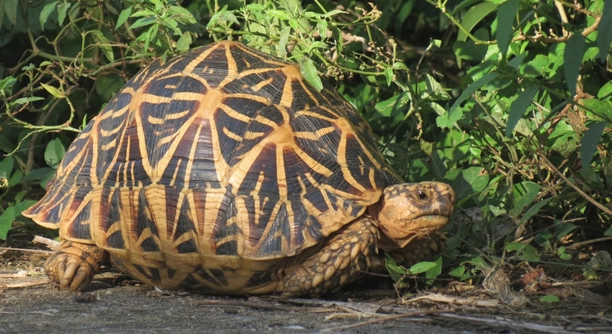
If you’ve noticed your turtle making gulping sounds, you might be concerned about their health. These noises can sometimes seem alarming, but there are several reasons why your turtle might be making them.
The gulping sounds your turtle makes could be related to breathing issues, feeding habits, or even environmental factors like water temperature. It may also indicate stress or a need for better water quality.
Understanding these different causes can help you provide a better habitat and care routine for your turtle. By addressing the problem, you can ensure your pet stays happy and healthy.
Breathing and Respiration Issues
Turtles, like all reptiles, breathe through their lungs. If your turtle is making gulping sounds, it could indicate breathing problems. This is especially true if your turtle is also showing signs of labored or rapid breathing. Respiratory infections are common in turtles, especially if they are kept in environments that are too cold or damp. Poor water quality can also contribute to these issues. If your turtle is struggling to breathe, you may notice it staying at the surface more often, opening its mouth wider, or making sounds while inhaling or exhaling.
Keeping water temperature and quality at optimal levels is essential for your turtle’s respiratory health. If the issue persists, a visit to the vet might be necessary to rule out any infections or more serious problems.
Turtles are sensitive to temperature changes, and sudden drops can lead to stress and respiratory issues. Make sure your turtle’s tank is maintained at the correct temperature range. A water heater will help stabilize the conditions for your pet.
Feeding Habits and Overfeeding
Sometimes, gulping sounds can be linked to how your turtle is eating. If your turtle is swallowing food too quickly or overeating, it might make noises when it gulps. Overfeeding can also lead to other health problems, such as bloating and discomfort.
To avoid these issues, feed your turtle smaller amounts more frequently. This helps them digest their food properly and reduces the risk of overeating. It’s also a good idea to offer a variety of foods to make sure your turtle gets a balanced diet.
Gulping could also occur if your turtle is eating in a rushed manner, perhaps due to other animals in the tank or a stressful environment. A calm feeding routine will help your turtle focus on its food without feeling rushed. You should also make sure that your turtle’s food is cut into manageable pieces, especially for young or smaller turtles.
Stress and Environmental Factors
Stress can lead to abnormal behaviors in turtles, including gulping sounds. If your turtle is not comfortable in its environment, it might make noises due to anxiety. Factors such as noisy surroundings, lack of hiding spots, or overcrowding can increase stress levels.
Providing a quiet and secure environment is essential for reducing stress. Ensure your turtle’s tank has areas where it can hide and feel safe. Also, avoid sudden changes in their environment, such as moving their tank or introducing new animals. Creating a stable and calm habitat helps your turtle feel more at ease and reduces stress-related behaviors.
Keeping the tank clean and ensuring that your turtle has enough space can also alleviate stress. Overcrowded tanks can lead to frustration, making your turtle more prone to stress. Turtles should have enough room to swim, bask, and hide comfortably. Regular water changes and proper filtration will contribute to a healthier environment as well.
Water Quality
Poor water quality can affect your turtle’s health and behavior, leading to respiratory issues or even infections. If your turtle’s water is too dirty, it can cause problems like irritation to the skin and eyes, which might result in gulping sounds. Clean water is essential to your turtle’s overall well-being.
Maintaining proper water quality involves regular water changes, using a good filtration system, and testing water parameters like pH and temperature. Turtles need fresh, clean water to swim and breathe comfortably. If the water quality is poor, your turtle will be more prone to stress, illness, and abnormal behavior.
If you notice your turtle making gulping sounds and the water is not clean, consider testing the water to see if levels are within the proper range. Dirty water can cause respiratory infections, which can worsen if not addressed quickly. Clean water can also help maintain healthy skin and shell growth for your turtle.
Improper Tank Temperature
Incorrect water temperature can cause your turtle to make gulping sounds. Turtles need a specific temperature range to stay healthy. Water that’s too cold can make it harder for them to breathe, leading to abnormal sounds.
If the temperature is too low, it can affect your turtle’s metabolism and respiratory system. A water heater can help regulate the temperature, ensuring it stays within the right range. Always check the water temperature regularly to keep your turtle comfortable and avoid respiratory issues.
Respiratory Infections
A common cause of gulping sounds in turtles is respiratory infections. These infections often occur when water quality is poor, or the environment is too cold for your turtle. If your turtle is showing other signs of illness, such as lethargy or loss of appetite, a respiratory infection might be the issue.
Respiratory infections require prompt treatment. Taking your turtle to the vet for a proper diagnosis is important if the symptoms persist. The vet will likely prescribe medication to treat the infection and may also recommend improving water quality and temperature to prevent future issues.
FAQ
Why does my turtle make gulping sounds?
Gulping sounds can be caused by various factors. Respiratory issues, improper water temperature, poor water quality, or feeding habits are some of the most common reasons. Turtles might also make these sounds due to stress or environmental discomfort. If the sounds are persistent, it’s best to examine the water temperature, check for any signs of respiratory infection, or ensure that your turtle is not overfeeding.
How can I tell if my turtle has a respiratory infection?
A respiratory infection in a turtle is often characterized by gulping sounds, excessive open-mouthed breathing, and mucus around the nose or eyes. Other signs include lethargy, a lack of appetite, or a swollen neck. If you notice any of these symptoms, it’s crucial to visit a vet who can provide the proper diagnosis and treatment.
Can stress cause my turtle to make gulping noises?
Yes, stress can lead to abnormal behaviors in turtles, including gulping sounds. Factors like sudden environmental changes, overcrowded tanks, or the presence of other aggressive animals can stress out your turtle. A stressed turtle may try to gulp air or make other noises as a reaction. Ensuring a quiet, safe environment with enough hiding spots can help reduce stress.
What is the ideal water temperature for my turtle?
Turtles require specific water temperatures to stay healthy. The ideal water temperature generally ranges from 75°F to 80°F (24°C to 27°C). A water heater can help maintain the right temperature in the tank. If the water is too cold, it could lead to respiratory issues and make your turtle uncomfortable.
How can I improve my turtle’s water quality?
Maintaining good water quality is essential for your turtle’s health. Change the water regularly, at least once a week, and ensure your filtration system is adequate. It’s important to monitor the water’s pH levels, temperature, and ammonia levels to ensure they are within safe ranges. Poor water quality can lead to infections and other health problems.
Can I overfeed my turtle?
Yes, overfeeding can lead to a range of issues for your turtle, including gulping sounds. Turtles may eat quickly, which can cause them to gulp air while eating. Overfeeding also leads to obesity and digestion problems. It’s best to feed your turtle small portions two to three times a week, adjusting the amount based on their age and size.
How can I reduce stress in my turtle?
Creating a calm and secure environment for your turtle is the best way to reduce stress. Provide hiding spots, such as caves or plants, where your turtle can retreat. Avoid sudden changes in the tank setup and try not to disturb your turtle too often. Ensure the tank is not overcrowded and that the temperature is ideal.
Do I need to take my turtle to the vet for gulping sounds?
If your turtle is making persistent gulping sounds and showing other symptoms like lethargy, loss of appetite, or labored breathing, it’s a good idea to consult a vet. Respiratory infections or other health issues may require medical attention. A vet will be able to diagnose the issue and offer proper treatment.
Can poor diet cause gulping sounds in turtles?
A poor diet can indirectly cause gulping sounds, especially if it leads to overfeeding or digestive problems. Turtles that eat too quickly or consume too much may make gulping noises when they are trying to swallow food. Offering smaller portions and ensuring a varied diet can help prevent this.
What should I do if my turtle is showing signs of a respiratory infection?
If your turtle is showing signs of a respiratory infection, such as gulping sounds, mucus around the nose, or labored breathing, take it to the vet immediately. The vet may prescribe antibiotics or other medications to treat the infection. In addition, improving the water quality and maintaining proper tank conditions is crucial to help your turtle recover.
How often should I change my turtle’s water?
You should change your turtle’s water at least once a week. However, the frequency may vary depending on the size of your tank, the filtration system, and how many turtles you have. For larger tanks or tanks with better filtration systems, water changes may be needed less often. Regular changes help maintain good water quality, which is vital for your turtle’s health.
Can I prevent my turtle from developing respiratory infections?
Yes, respiratory infections in turtles can be prevented by maintaining proper tank conditions. Keep the water temperature at the right level, ensure good water quality, and avoid overcrowding. Regular cleaning of the tank and proper filtration will help reduce the risk of infections. Avoiding drafts and sudden temperature changes also contributes to a healthy environment for your turtle.
Final Thoughts
If your turtle is making gulping sounds, it’s important to understand that there are several factors that could be causing it. Most of the time, these sounds are harmless and may be linked to their natural behavior or feeding habits. However, persistent gulping noises, especially if accompanied by other symptoms like lethargy or difficulty breathing, may signal an underlying issue that needs attention. By paying close attention to your turtle’s environment, diet, and behavior, you can often pinpoint the cause and address it early.
Maintaining a clean, quiet, and stable environment for your turtle is essential for its health. Proper water temperature, good filtration, and routine water changes are key to preventing common health problems. If your turtle is stressed, it may show signs like gulping or abnormal breathing patterns. Providing enough space and hiding spots, and avoiding abrupt changes in their tank setup, can help reduce stress. Keeping a close eye on your turtle’s habits and ensuring it feels safe and comfortable will go a long way in preventing health problems.
If you notice that the gulping sounds persist or worsen, it’s always a good idea to consult a veterinarian. Respiratory infections, improper feeding, or other health concerns may need professional treatment. Early intervention can help ensure that your turtle stays healthy and happy for years to come. Regular check-ups with a vet, along with a consistent care routine, can help you maintain a healthy environment for your pet.

Hello,
If you enjoy the content that we create, please consider saying a "Thank You!" by leaving a tip.
Every little bit helps us continue crafting quality advice that supports the health, happiness, and well-being of pets around the world, for pets of all shapes, sizes, and species.
We really appreciate the kindness and support that you show us!