
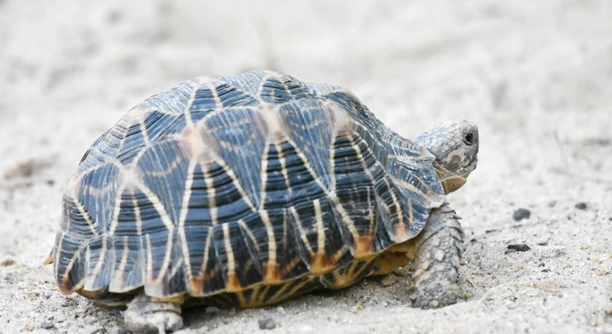
Decorating your turtle tank can be a fun way to enhance its environment, but it’s important to ensure that the decorations are safe. Choosing the right items helps maintain a healthy habitat for your turtle.
When selecting tank decorations, it’s crucial to choose those that are both safe and beneficial for your turtle. Items like smooth rocks, non-toxic plants, and hides can provide a comfortable environment without causing harm.
Choosing safe decorations ensures your turtle’s well-being. Some options may even help create a more natural, enjoyable environment for your pet. Keep reading to learn about the best tank decorations for your turtle’s home.
Smooth Rocks for Natural Climbing
Smooth rocks are a great addition to your turtle’s tank. They can be placed in shallow areas where your turtle can climb and bask. The smooth texture of the rocks ensures they don’t cause any harm to your turtle’s soft skin or shell. It’s important to choose rocks that won’t crumble or break apart over time, as this could pose a risk to your turtle. Make sure the rocks are large enough to prevent your turtle from accidentally moving them or getting stuck.
Smooth rocks also help to create a more natural environment, offering your turtle some exercise as they move around. This gives them opportunities to climb, rest, or explore. If you want to add some extra fun, you can arrange the rocks in a way that forms a ramp or a small platform where your turtle can bask under the light.
Be sure to wash the rocks thoroughly before placing them in the tank. Any dirt or chemicals on them can harm your turtle. Once cleaned, smooth rocks can be a long-lasting and safe decoration.
Aquatic Plants for Hiding and Basking
Aquatic plants provide both hiding spots and areas for basking.
Turtles naturally enjoy hiding among plants, making them a key feature in their tanks. Live plants like water lilies or anacharis are excellent for providing shade and shelter. These plants not only give your turtle space to feel secure but also help oxygenate the water, improving overall tank health.
Live plants offer natural filtration, reducing algae growth and improving water quality. The plants can also be beneficial for your turtle’s diet, as some may nibble on the leaves. Choosing plants that are safe for turtles ensures both their safety and a cleaner tank. Keep in mind that some plants need more light and care, but they can be a beautiful addition to the tank if properly maintained. The right plants create a balanced environment and contribute to your turtle’s well-being.
Turtle-Safe Hiding Spots
Providing hiding spots is essential for a turtle’s well-being. These spots offer security, making them feel safe and less stressed. You can use items like caves, ceramic turtle huts, or other hideaways that are large enough for your turtle to comfortably fit inside.
When selecting a hiding spot, make sure it’s stable and won’t tip over. It should also be easy for your turtle to access. Avoid sharp edges that could cause injury. Hiding spots provide privacy, helping reduce stress, especially for shy or young turtles.
It’s important to check these spots regularly for mold, dirt, or any buildup that could make your turtle sick. By keeping them clean, you ensure that your turtle has a safe place to retreat when it feels the need to rest or relax. The right hiding spots contribute to your turtle’s mental and physical health, making it feel secure and comfortable in its home.
Floating Platforms for Sunbasking
Floating platforms offer turtles the perfect place to bask under a heat lamp.
These platforms float on the water’s surface, allowing turtles to climb up easily. They mimic the natural basking areas found in the wild, where turtles rest to warm up. Make sure the platform is stable and durable enough to handle the weight of your turtle.
The platform should also have a non-slip surface, so your turtle won’t have trouble staying on it. A well-positioned floating platform can help your turtle maintain a healthy temperature, which is essential for digestion and overall health. Proper basking can also help keep your turtle’s shell in good condition.
Consider choosing a platform with a ramp leading up to it, allowing your turtle easy access. Also, ensure it’s positioned close to the heat lamp or light source for maximum benefit.
Natural Driftwood for Texture
Driftwood adds natural texture to your turtle’s tank. It’s great for climbing, hiding, or resting. The irregular shapes mimic a more natural habitat and provide your turtle with places to explore. Just make sure the driftwood is safe and doesn’t contain any harmful chemicals.
Before adding driftwood, rinse it thoroughly. This helps remove dirt and prevent the introduction of toxins into the tank. Over time, driftwood will absorb water and sink. If it floats initially, you can weigh it down until it settles at the bottom. Driftwood can also serve as a nice visual element, enhancing your turtle’s environment.
Substrate Options for the Tank
Choosing the right substrate is important for both aesthetics and your turtle’s health.
Options like river rocks or fine gravel work well because they’re easy to clean and safe for your turtle. Sand is another option, but be sure to choose one that won’t be ingested. Substrate should be non-toxic and safe for both your turtle and the tank’s water quality.
A good substrate helps maintain clean water and offers a more natural look. Regular cleaning is necessary to keep the tank fresh and safe for your turtle. The right substrate provides both functionality and comfort for your pet.
UVB Lighting for Health
UVB lighting is crucial for your turtle’s health.
It helps your turtle produce vitamin D3, which is essential for shell and bone development. Ensure that the UVB light is placed correctly, with the right intensity, to mimic natural sunlight. Your turtle needs UVB light to stay healthy and active.
FAQ
What decorations are safest for turtles?
The safest decorations for turtles include smooth rocks, driftwood, live plants, and non-toxic hides. These items mimic their natural habitat while providing a comfortable and secure environment. Avoid decorations with sharp edges or chemicals that could harm your turtle. Always ensure that items are cleaned properly before placing them in the tank.
Are plastic decorations safe for turtles?
Plastic decorations can be safe as long as they are free of toxic materials and have no sharp edges. However, it’s best to opt for natural or ceramic decorations when possible. Turtles may chew on plastic, so ensure the plastic decorations are sturdy and won’t break into small pieces that could be ingested.
Can turtles climb on decorations?
Yes, turtles love climbing on decorations, such as rocks, driftwood, and ramps. This gives them exercise and helps mimic the natural behavior they would do in the wild, like climbing to bask or hide. Always ensure that the climbing structures are stable and won’t tip over.
Is it necessary to add plants to the tank?
Plants are not strictly necessary, but they can significantly improve the tank environment. Live aquatic plants provide hiding spots, reduce stress, and help maintain water quality. They also provide turtles with something to nibble on, which can be beneficial for their diet. Choose non-toxic plants to ensure safety.
Can turtles live without a basking area?
Turtles need a basking area for proper heat and UVB exposure. Without it, they may develop health issues like shell deformities or metabolic bone disease. A proper basking area allows your turtle to dry off and regulate its body temperature. Ensure that your tank has a designated area for basking under a heat lamp.
How often should tank decorations be cleaned?
Tank decorations should be cleaned regularly, at least once every 2 to 4 weeks, depending on the tank’s size and the turtle’s activity. Make sure to remove algae buildup, dirt, or any waste that might accumulate. Regular cleaning prevents the growth of harmful bacteria and keeps the tank environment healthy.
Are there any decorations that should be avoided?
Avoid decorations with sharp edges, toxic paints, or materials that may break down in water. For example, some rocks can contain harmful chemicals or metals. Plastic decorations with small parts can also pose a choking hazard. Always inspect decorations to ensure they are safe and won’t harm your turtle.
Do turtles need hiding spots in their tank?
Yes, hiding spots are important for turtles, as they provide a place to retreat when feeling stressed or threatened. Turtles like to have a sense of security, especially when they sleep or need privacy. You can use caves, ceramic hides, or plants to create these safe spaces in the tank.
Can I use rocks and pebbles in my turtle tank?
Smooth, non-sharp rocks and pebbles can be used in a turtle tank. They can serve as climbing areas and give your turtle a more natural environment. Ensure the rocks are large enough that your turtle won’t accidentally swallow them. Clean the rocks thoroughly before adding them to the tank.
What type of lighting is best for my turtle’s tank?
A combination of UVB and heat lighting is best for turtles. UVB lighting is essential for their vitamin D3 production, which helps with calcium absorption. A heat lamp provides the warmth turtles need to regulate their body temperature. Ensure that the light is placed in the proper position to mimic natural sunlight.
How do I ensure my turtle is comfortable in its tank?
To ensure comfort, provide plenty of space, a clean environment, and the necessary tank accessories. Your turtle should have access to a basking area, hiding spots, and areas for swimming. Maintain proper water temperature, lighting, and filtration to promote health and well-being.
Can I use ceramic decorations in my turtle tank?
Ceramic decorations are a safe option for turtle tanks as long as they do not have sharp edges or are painted with harmful chemicals. They can provide hiding spots and climbing areas. Ceramic decorations are durable and easy to clean, making them a good choice for turtles.
Are there any plants that turtles shouldn’t have in their tank?
Yes, some plants are toxic to turtles, such as azaleas, lilies, and daffodils. It’s important to research any plants before adding them to your turtle’s tank. Opt for aquatic plants like water lilies, anacharis, or hornwort, which are safe and beneficial for your turtle.
What is the best substrate for a turtle tank?
The best substrate for a turtle tank is smooth river rocks, fine gravel, or sand. These options are safe and easy to clean. Avoid using small gravel that could be swallowed, and avoid sharp-edged substrates that could injure your turtle. Regular cleaning is important to keep the water clean.
Can turtles eat decorations?
Turtles may nibble on decorations, especially if they’re made of materials like plants or softer materials. While this is usually harmless, it’s important to monitor your turtle’s behavior to ensure they’re not consuming something harmful. Always choose non-toxic, safe materials for decorations to prevent any potential issues.
How can I make the tank more interesting for my turtle?
To make the tank more interesting, provide varied decorations such as rocks, plants, floating platforms, and hiding spots. You can also add water features like small waterfalls or streams. These additions give your turtle opportunities to explore and stimulate its natural behaviors, keeping it mentally and physically active.
When decorating a turtle tank, the primary focus should always be your turtle’s safety and well-being. Choosing decorations that are non-toxic and free from sharp edges is crucial to prevent any harm. The right decorations can enhance your turtle’s environment, making it feel more natural and comfortable. Smooth rocks, aquatic plants, and hiding spots can help mimic their natural habitat, giving your turtle the opportunity to climb, explore, and hide when needed. It’s important to remember that your turtle needs both a place to bask and a safe spot to rest, so choosing appropriate decorations for these purposes is essential.
Maintaining a clean tank is also a key part of creating a healthy environment for your turtle. Decorations should be cleaned regularly to prevent the buildup of harmful bacteria or algae. Items like rocks and plants can accumulate waste over time, so it’s important to rinse and scrub them as part of your regular tank maintenance routine. The same applies to the substrate and other tank features, which should be kept free from debris and contaminants. Proper cleaning ensures the water quality stays high, reducing the risk of illness and keeping your turtle happy.
Lastly, don’t forget the importance of providing a varied and stimulating environment for your turtle. Just like in the wild, your turtle will benefit from having different areas in its tank to explore, climb, and bask. A well-decorated tank not only offers your turtle safety and comfort but also provides mental and physical enrichment. By combining natural elements with appropriate lighting and proper tank management, you can create an ideal home for your turtle that promotes both its health and happiness.

Hello,
If you enjoy the content that we create, please consider saying a "Thank You!" by leaving a tip.
Every little bit helps us continue crafting quality advice that supports the health, happiness, and well-being of pets around the world, for pets of all shapes, sizes, and species.
We really appreciate the kindness and support that you show us!