
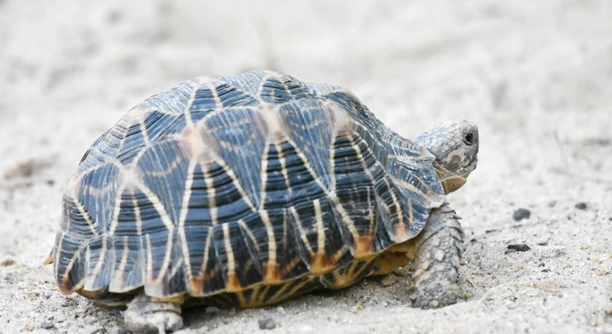
Turtles are wonderful pets, but sometimes their health can be tricky to manage. One common concern is soft spots on their shells, which can be worrying for any turtle owner.
The development of soft spots on a turtle’s shell is often due to poor diet, lack of UVB lighting, or calcium deficiency. These factors affect shell growth and health, causing the shell to weaken over time.
By understanding the causes of soft spots, you can take steps to ensure your turtle’s shell remains strong and healthy.
Causes of Soft Spots on a Turtle’s Shell
Soft spots on a turtle’s shell usually point to a few main factors. One of the most common is a lack of calcium, which is essential for shell development. If a turtle isn’t getting enough calcium, its shell won’t grow properly, leading to weak spots. Poor diet is another issue. Without the right nutrients, the shell may start to soften. UVB lighting is crucial for turtles as well, as it helps them absorb calcium from their food. Without proper lighting, they can’t fully process calcium, leading to unhealthy shells. Lastly, inadequate basking conditions may also contribute, as turtles need heat to properly digest food and process nutrients.
Soft spots can also be an early sign of metabolic bone disease (MBD), which can result from poor diet or lack of proper lighting. MBD weakens bones and shells, making them prone to softening. The disease is preventable with a balanced diet and proper lighting, but if left untreated, it can be dangerous.
Understanding these issues and correcting them early on can prevent further damage to your turtle’s shell and overall health.
The Importance of Calcium in a Turtle’s Diet
A lack of calcium can quickly lead to soft spots on your turtle’s shell. Calcium helps keep the shell hard and strong, so without it, the shell can become weak and prone to damage. Make sure your turtle’s diet includes calcium-rich foods like dark leafy greens and supplements designed for reptiles.
Providing proper calcium also means balancing it with other vitamins and minerals. For instance, vitamin D3 helps with calcium absorption, so offering foods that include this vitamin is important. Without enough D3, the body can’t use calcium effectively, contributing to soft shells. Regular calcium supplementation might also be needed, especially for turtles in captivity.
Incorporating calcium into your turtle’s diet ensures they maintain a strong and healthy shell. If you suspect a deficiency, it’s wise to consult with a veterinarian for the best supplementation plan for your pet.
The Role of UVB Lighting
UVB lighting plays a critical role in shell health by helping turtles absorb calcium from their food. Without UVB, your turtle won’t be able to process the calcium they consume, leading to weaker shells. Proper lighting is vital, particularly for indoor turtles.
UVB light mimics the sun’s rays, which reptiles need for vitamin D3 production. This vitamin aids in calcium absorption, helping to strengthen the shell and bones. Without it, your turtle could face a range of health issues, including soft shells and metabolic bone disease. Regular exposure to UVB light is necessary to keep your turtle’s shell in top condition.
Make sure to provide your turtle with UVB light for at least 10 to 12 hours a day. Check the bulb’s effectiveness regularly, as UVB light diminishes over time and may need replacement.
Inadequate Basking Conditions
Turtles need a warm basking area to digest their food and absorb essential nutrients. If the temperature is too low, their metabolism slows down, which affects their ability to process calcium. This can result in a weakened shell, leading to soft spots.
A proper basking area should have a temperature between 85°F to 90°F for most species. The light should be bright enough to stimulate their natural behaviors. Without it, turtles may not get enough nutrients, and their shells can suffer. Make sure to monitor temperatures regularly to ensure they are within the ideal range.
Signs of Metabolic Bone Disease (MBD)
Metabolic bone disease is a serious condition that can lead to soft spots on your turtle’s shell. If left untreated, it can cause deformities and even death. Common signs include a soft shell, weak bones, and difficulty moving.
MBD occurs when the turtle’s body is unable to process calcium properly due to a lack of UVB light, poor diet, or inadequate calcium intake. If you notice any signs of MBD, seek immediate veterinary help. Early intervention is key to improving your turtle’s health.
Preventing Shell Softness
Preventing shell softness starts with providing the right diet and proper lighting. Ensure your turtle gets the right amount of calcium, vitamins, and minerals. Also, don’t overlook the importance of UVB lighting and a warm basking area.
FAQ
What causes soft spots on a turtle’s shell?
Soft spots on a turtle’s shell usually happen because of a calcium deficiency, improper UVB lighting, or poor diet. Without enough calcium, the shell can’t grow properly, leading to weak areas. UVB light helps turtles absorb calcium from their food, and if they’re not getting enough, it can cause issues. A poor diet lacking in the necessary vitamins and minerals can also lead to shell problems.
How can I tell if my turtle’s shell is soft?
You can tell if your turtle’s shell is soft by gently pressing on it. If it feels pliable or soft to the touch, this could be a sign of calcium deficiency or poor shell health. A healthy shell should feel firm and strong. If there are visible soft spots, it may indicate a more serious problem, such as metabolic bone disease. It’s important to regularly check your turtle’s shell for any signs of softness or damage.
Can I treat soft spots on my turtle’s shell at home?
In mild cases, you can try adjusting your turtle’s diet and lighting conditions at home. Increasing calcium intake through supplements or calcium-rich foods like dark leafy greens, and ensuring proper UVB lighting, can help strengthen the shell. However, if the soft spots persist or worsen, it’s crucial to consult a veterinarian. They can provide a proper diagnosis and treatment plan.
What type of food should I give my turtle to prevent soft spots?
Feed your turtle a balanced diet with plenty of calcium-rich foods such as collard greens, dandelion greens, and kale. Calcium supplements can also be provided if necessary, but always check with your veterinarian for the correct dosage. Additionally, ensure the diet includes a variety of vegetables and some animal protein depending on your turtle species. A well-rounded diet is key to preventing shell issues.
How often should I replace the UVB bulb for my turtle?
UVB bulbs lose their effectiveness over time, so it’s important to replace them every 6 to 12 months. Even if the bulb still appears to be working, the UVB rays will have diminished, which can lead to calcium absorption issues. Regularly replacing the bulb ensures your turtle receives the proper UVB exposure it needs to maintain a healthy shell and overall well-being.
Can stress cause soft spots on a turtle’s shell?
While stress itself doesn’t directly cause soft spots, it can weaken your turtle’s immune system and make it more susceptible to health issues. Stress can be caused by improper tank conditions, overcrowding, or changes in their environment. Ensuring your turtle’s habitat is calm, safe, and comfortable is important for its overall health. A stressed turtle is more likely to develop health problems, including shell issues.
How long does it take for a turtle’s shell to harden?
If your turtle’s shell is soft due to a calcium deficiency or other preventable factors, it can take several weeks to a few months for the shell to fully harden after you make changes to their diet and lighting. The shell doesn’t harden overnight, but with consistent care, you’ll start to notice improvements. Patience is key.
Should I be worried if my turtle’s shell is slightly soft in a few places?
If the soft spots are small and isolated, it might not be an immediate cause for concern, but it’s important to address the issue quickly. A lack of calcium or inadequate UVB lighting can lead to larger problems down the road. By adjusting their diet and lighting, you can prevent further damage. However, if you notice a significant softening or spreading of the soft spots, a vet visit is recommended.
Can a vitamin D deficiency contribute to soft spots on a turtle’s shell?
Yes, vitamin D is crucial for calcium absorption. If your turtle isn’t getting enough vitamin D, either from food or UVB lighting, it can lead to calcium deficiency. This, in turn, can result in soft spots on the shell. Ensure that your turtle has access to proper UVB lighting, which allows their body to produce vitamin D naturally. If you’re concerned, talk to your vet about additional vitamin D supplementation.
Is metabolic bone disease (MBD) reversible?
Metabolic bone disease is preventable and treatable if caught early, but it can be difficult to fully reverse once it has progressed significantly. Treatment typically involves improving diet, UVB lighting, and calcium supplementation. In severe cases, a veterinarian may prescribe medication or recommend other treatments. However, if left untreated for too long, MBD can cause irreversible damage to the turtle’s shell and bones, so early intervention is critical.
How can I prevent soft spots on my turtle’s shell in the future?
The best way to prevent soft spots is to maintain a balanced diet with adequate calcium and vitamin D3, ensure your turtle gets regular UVB exposure, and provide the right basking conditions. Consistently monitoring your turtle’s health and shell can also help catch any issues early on. Regular vet check-ups can also keep your turtle’s health in check and prevent potential problems.
Are soft spots a sign of a more serious health problem?
Soft spots can be an early sign of a more serious condition like metabolic bone disease or shell rot, especially if they’re left untreated. If soft spots are accompanied by other symptoms like lethargy, difficulty moving, or deformities, it’s important to seek veterinary advice immediately. Early intervention can prevent more severe damage and ensure your turtle’s health.
Final Thoughts
Taking care of a turtle’s shell health is an essential part of being a responsible pet owner. Soft spots on a turtle’s shell can be concerning, but understanding the causes and prevention methods can help you keep your turtle healthy. Proper diet, UVB lighting, and the right basking conditions are key to ensuring your turtle’s shell remains strong and sturdy. Calcium deficiency, lack of UVB exposure, and improper temperature are the main factors contributing to soft spots, and they are all preventable with the right care.
A balanced diet that includes calcium-rich foods and supplements is essential for shell health. Vegetables like collard greens and dandelions are great choices for boosting calcium levels. It’s important to offer a variety of foods to ensure your turtle gets all the necessary nutrients. Additionally, providing the proper amount of UVB light is crucial. UVB helps turtles absorb calcium from their food, and without it, they may struggle to maintain a healthy shell. Regularly replacing UVB bulbs and monitoring basking temperatures will ensure your turtle gets the exposure it needs.
If you notice soft spots on your turtle’s shell, don’t panic. Often, with a few adjustments to their environment and diet, you can help improve their shell condition. However, if the problem persists or worsens, seeking professional help is essential. A veterinarian can help diagnose any underlying issues, such as metabolic bone disease, and provide a treatment plan. By being proactive about your turtle’s diet, lighting, and care, you can prevent soft spots and ensure a long, healthy life for your pet.

Hello,
If you enjoy the content that we create, please consider saying a "Thank You!" by leaving a tip.
Every little bit helps us continue crafting quality advice that supports the health, happiness, and well-being of pets around the world, for pets of all shapes, sizes, and species.
We really appreciate the kindness and support that you show us!