
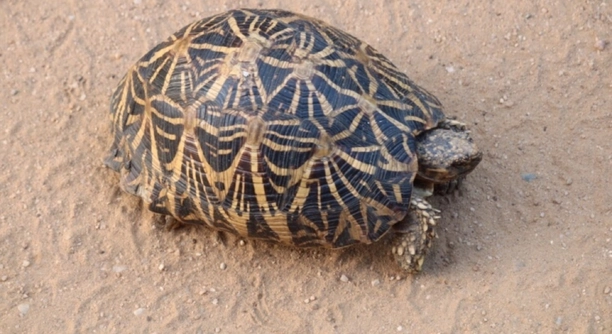
Turtles make great pets, but maintaining a healthy tank environment is crucial to their well-being. One important factor in this is keeping the water clean and properly balanced. Using water additives can help make a significant difference.
The best water additives for a turtle tank are those that help maintain water quality, reduce harmful toxins, and support overall turtle health. Products like water conditioners, dechlorinators, and beneficial bacteria can create a balanced environment for your turtle.
Choosing the right water additives can help your turtle thrive in a cleaner, healthier tank. This guide will walk you through the options available and how to make the best choice for your turtle’s habitat.
Why Water Quality Matters for Your Turtle
Keeping the water in your turtle tank clean and balanced is essential for its health. Turtles live in water, so their environment directly affects their overall well-being. If the water isn’t properly maintained, it can lead to various health issues, including shell rot, respiratory problems, and skin infections.
Water quality can impact not only the turtle’s health but also the appearance of the tank. Murky water or an unpleasant smell is a clear indication that something isn’t right. To keep the water pristine, regular filtration and water changes are necessary, but sometimes, adding water additives can help to maintain the right balance.
When considering water additives, it’s important to remember that they aren’t a replacement for regular tank maintenance. They work best when used in combination with a proper filtration system and consistent cleaning. This combination will ensure your turtle’s environment stays safe, clean, and healthy.
Types of Water Additives to Consider
There are different types of water additives, each serving a specific purpose in maintaining a healthy tank. Some work to neutralize harmful chemicals, while others promote beneficial bacteria growth.
Water conditioners and dechlorinators are key additives that can remove chlorine and chloramines from tap water. These chemicals are harmful to turtles, so using a dechlorinator is vital when filling the tank with fresh water. Additionally, beneficial bacteria products help break down waste and keep the water clean by reducing ammonia and nitrite levels. By using these types of additives, you create an environment where your turtle can thrive without harmful toxins.
Dechlorinators and Water Conditioners
Dechlorinators are essential for removing chlorine and chloramines from tap water, which can harm your turtle. These additives help make the water safer, preventing skin irritation and respiratory issues.
Most tap water contains chlorine, which is toxic to turtles. Using a dechlorinator ensures that the water is free of harmful chemicals, making it safe for your pet. You can find dechlorinators specifically designed for reptile tanks, ensuring the product is effective and safe for your turtle.
While water conditioners can also help remove chlorine, they can offer additional benefits, such as improving the water’s overall clarity. Both additives work together to create a balanced environment and protect your turtle from unwanted chemicals in the water.
Beneficial Bacteria for Tank Health
Beneficial bacteria are vital for breaking down waste and controlling harmful toxins in the tank. These bacteria help reduce ammonia, nitrites, and nitrates, which can build up and harm your turtle.
When added to the tank, beneficial bacteria will colonize the filter and substrate, creating a natural filtration system. This helps maintain water quality between regular water changes, reducing the chances of water contamination. It’s important to add the right type of bacteria, as different products cater to various needs, such as enhancing biological filtration or clearing algae.
Using beneficial bacteria alongside proper filtration will keep your tank cleaner for longer, ensuring your turtle enjoys a healthier, safer environment. Regular use of these additives keeps the water in balance, preventing dangerous spikes in toxins and improving overall tank stability.
pH Adjusters
pH adjusters help to maintain the proper acidity or alkalinity of the water. This is important because turtles need stable water conditions to thrive. A sudden change in pH can stress your turtle and cause health problems.
Most pH adjusters are easy to use and effective at correcting the water’s pH balance. These additives can raise or lower the pH as needed, depending on the natural water parameters. Ensuring your turtle’s tank stays within the ideal pH range (around 7.0 to 8.0) is crucial for their overall health. Regular monitoring of the water’s pH levels helps keep everything in check.
Algae Control
Algae can grow quickly in a turtle tank, especially if it’s exposed to too much light. Algae control products can help prevent overgrowth, ensuring the tank remains clean and clear.
Excess algae can cause cloudy water and clog filters, making it harder to maintain the tank. Algae control additives help reduce this growth, improving water quality and clarity. However, it’s essential to use these products in moderation, as excessive use may harm beneficial bacteria or other aquatic life in the tank. Balancing light exposure and algae control will keep your tank in top condition.
FAQ
How often should I use water additives in my turtle tank?
The frequency of using water additives depends on the type of additive and the condition of your tank. Dechlorinators should be used every time you add tap water to the tank, as they neutralize harmful chemicals like chlorine and chloramines. Beneficial bacteria additives can be used once a week or as needed, depending on the condition of your tank’s biological filtration. pH adjusters should be used only when necessary, based on water tests. Always follow the manufacturer’s instructions for each product.
Are water additives safe for all types of turtles?
Yes, water additives are generally safe for all types of turtles, as long as you choose products specifically designed for reptiles. However, it’s important to check that the additives do not contain harmful chemicals that may affect your turtle. Always read the label carefully and avoid products with strong perfumes or dyes, as these can stress or irritate your turtle. When in doubt, choose water additives that are specifically formulated for turtle or reptile tanks.
Can water additives help prevent shell rot?
Water additives can contribute to a healthy environment that supports your turtle’s well-being, but they alone won’t prevent shell rot. Maintaining clean water, providing proper filtration, and keeping the tank’s water quality balanced are key factors in preventing shell rot. Using dechlorinators, beneficial bacteria, and pH adjusters can help keep the tank conditions stable, reducing the risk of infections. However, it’s essential to monitor your turtle for signs of illness and address any health concerns promptly.
Do I need to use a filter if I use water additives?
Yes, a filter is still necessary even if you use water additives. While additives can help improve water quality and create a more balanced environment, they cannot replace the function of a filtration system. A good filter helps remove physical debris and supports biological filtration by promoting the growth of beneficial bacteria. Additives work in conjunction with the filter to keep the water clean and safe, but without proper filtration, toxins will build up over time.
Can I use water additives for a tank with live plants?
Yes, many water additives are safe for tanks with live plants. However, it’s important to choose additives that won’t harm your plants. For example, some algae control products may affect the growth of certain aquatic plants. Beneficial bacteria and dechlorinators are usually safe, but it’s best to check the product details for any potential negative effects on plants. Always keep an eye on your plants’ health when adding any chemicals to the water, as they are sensitive to changes in the environment.
How can I tell if my water additives are working?
To determine if your water additives are working, you should regularly test your tank’s water parameters, including ammonia, nitrites, nitrates, pH, and chlorine levels. If the water parameters are within the ideal range, that’s a sign that the additives are effective. Additionally, if the water looks clearer and your turtle seems healthier, that’s another good indication that the additives are making a positive impact. However, it’s important to monitor your tank over time to see how the additives perform.
Are there any water additives that I should avoid?
Avoid water additives that contain harsh chemicals, artificial colors, or strong fragrances, as these can be harmful to your turtle. Some common additives meant for aquariums may not be suitable for reptile tanks and can cause skin irritation, stress, or respiratory issues. Additionally, some algae control products may be too strong for a turtle tank and could damage beneficial bacteria or affect the water’s balance. Always research the products you plan to use and choose those formulated for turtles and reptiles.
Can I rely on water additives alone for tank maintenance?
Water additives should be used alongside regular tank maintenance, including water changes and proper filtration. While they can improve water quality and provide additional benefits, they are not a substitute for good tank hygiene. Regular cleaning, filter maintenance, and proper water changes are essential to keep your turtle’s environment healthy. Water additives are most effective when they complement these practices, helping to maintain the water’s balance between cleaning sessions.
What should I do if the water starts to smell even after using additives?
If your turtle tank smells unpleasant despite using water additives, it may indicate that there is an issue with your filtration system or that the tank is not being cleaned frequently enough. Make sure the filter is working properly and clean it regularly. You should also test the water to check for high levels of ammonia, nitrites, or nitrates, which can contribute to bad odors. If the water smells like rotten or sulfurous, it may be due to a bacterial imbalance, and more frequent water changes may be necessary.
How can I maintain good water quality without using additives?
While water additives can help maintain good water quality, it is possible to achieve this without them by focusing on regular tank maintenance. You can maintain good water quality by performing routine water changes, cleaning the tank and filter, and providing proper filtration. Testing the water regularly will help you keep track of ammonia, nitrite, nitrate, and pH levels. Using a substrate that is easy to clean and not overfeeding your turtle can also help reduce waste buildup and improve water quality.
Final Thoughts
Maintaining a healthy turtle tank is crucial for your turtle’s overall well-being, and water quality plays a large role in that. Using the right water additives can help keep the water clean, balanced, and safe for your turtle. From dechlorinators to beneficial bacteria, these products can assist in neutralizing harmful chemicals, supporting natural filtration, and preventing the growth of algae. However, it’s important to remember that additives are not a substitute for regular maintenance. A proper filtration system, regular water changes, and monitoring water parameters are essential for a healthy tank environment.
When choosing water additives, it’s vital to consider the specific needs of your turtle. Not all additives are created equal, and some may not be suitable for all tank setups. Be sure to read the product labels carefully and choose additives that are designed for turtle or reptile tanks. Avoid additives that contain harsh chemicals, fragrances, or dyes that could stress or harm your turtle. Always follow the manufacturer’s instructions for the best results, and ensure that the product is safe for both your turtle and any other tank inhabitants.
Overall, water additives are a helpful tool in maintaining a healthy turtle tank, but they should be part of a larger tank care routine. By keeping a consistent cleaning schedule, monitoring water conditions, and using the right additives when needed, you can create a safe and comfortable environment for your turtle. These small steps can go a long way in keeping your turtle happy, healthy, and thriving in its aquatic home.

Hello,
If you enjoy the content that we create, please consider saying a "Thank You!" by leaving a tip.
Every little bit helps us continue crafting quality advice that supports the health, happiness, and well-being of pets around the world, for pets of all shapes, sizes, and species.
We really appreciate the kindness and support that you show us!