
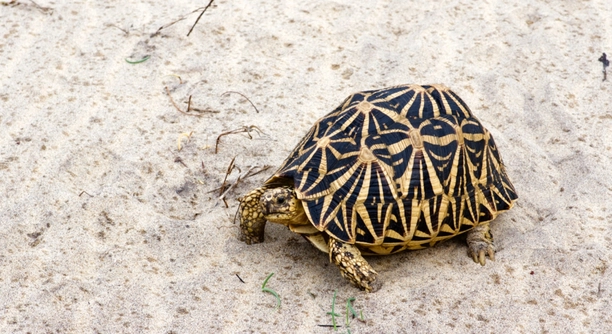
A white film on your turtle’s shell can be concerning, especially for first-time turtle owners. Understanding what this film means and how to address it is important for your turtle’s health and well-being.
The white film on your turtle’s shell is often caused by a build-up of calcium deposits, excess moisture, or a fungal infection. The condition can also result from poor tank conditions or improper care routines.
Learning how to properly care for your turtle and maintain a clean, balanced environment will help you avoid future shell issues.
Common Causes of White Film on Turtle Shells
The white film on your turtle’s shell can stem from several sources. It could be calcium buildup, which is common for turtles that are not getting the right amount of calcium or UVB light. Calcium deposits often form as a white, chalky layer. Another possible reason is the presence of fungal or bacterial infections, which can leave a white film as well. The shell may also become covered in a white layer due to moisture imbalance or poor tank conditions. If the tank is too damp, mold or fungal growth could form, affecting your turtle’s shell. Additionally, improper water quality can cause stress, leading to changes in the shell.
It’s important to inspect your turtle’s tank setup and diet if this happens. Without proper light or clean water, your turtle’s shell can be compromised. The white film may be a sign that adjustments are needed in your turtle’s care routine.
In some cases, the white film may go away on its own after cleaning the turtle’s shell or improving the tank’s conditions. However, if it persists, it’s a good idea to consult with a vet who specializes in reptiles. They can determine whether it’s a sign of a more serious health issue, like a fungal infection or other skin conditions. Also, if your turtle’s shell becomes soft or continues to deteriorate, this could indicate a deficiency in calcium or improper UVB exposure. Immediate action can prevent further complications and ensure the health of your turtle.
How to Address the White Film
To remove the white film from your turtle’s shell, first clean the shell carefully using a soft toothbrush and lukewarm water. Avoid using harsh chemicals, as they can irritate your turtle’s skin.
Regular tank maintenance is essential for keeping your turtle healthy. Make sure the water is clean and filtered. Also, ensure your turtle has access to UVB light for proper shell development. A balanced diet with calcium-rich foods is crucial to prevent shell issues.
The Importance of Proper Tank Conditions
Keeping the tank clean and well-maintained is key to preventing a white film on your turtle’s shell. Dirty water can lead to fungal or bacterial growth. Regular water changes and using a proper filtration system are crucial for maintaining good water quality. If your turtle is exposed to poor conditions for too long, it can lead to shell issues and overall health problems.
In addition to water quality, temperature plays a significant role in your turtle’s health. The water should be kept at the right temperature range for your specific species. If the water is too cold, it can cause stress and slow down digestion, weakening your turtle’s immune system. Your turtle needs a basking area where it can dry off and get the UVB light it requires for shell health. If the tank is consistently warm and dry in the right places, it will help prevent conditions that contribute to the white film.
Proper tank conditions also include providing hiding spots and areas where your turtle can feel safe and comfortable. Stress from overcrowding or constant disturbance can cause your turtle to become sick. By creating a calm and clean environment, you reduce the chances of the white film appearing on your turtle’s shell. It’s simple, but essential, to regularly inspect your turtle’s habitat and make necessary adjustments.
Diet and Calcium Deficiency
Turtles require a balanced diet that includes calcium for healthy shell growth. A lack of calcium in your turtle’s diet can cause issues, such as soft shells or a buildup of white deposits. It’s important to offer a variety of food, including leafy greens, insects, and calcium supplements, to ensure proper nutrition.
If your turtle is not getting enough calcium, the white film may develop as a sign of calcium buildup. This can happen when your turtle’s body tries to compensate for the lack of nutrients. Make sure you provide a supplement if you’re feeding a diet that might be low in calcium, and always check if the food you’re offering meets your turtle’s nutritional needs. A proper balance of food and calcium will help keep your turtle’s shell in optimal condition.
Another sign of calcium deficiency is a soft or deformed shell, which can lead to further health issues. If the white film on your turtle’s shell seems to persist despite changes to the diet, it’s a good idea to have a veterinarian assess your turtle’s condition.
Fungal Infections and Their Effect on the Shell
Fungal infections can cause a white film to appear on your turtle’s shell. These infections often thrive in warm, damp conditions. If your turtle’s shell is covered in a persistent white film that doesn’t go away with cleaning, it could be fungal.
Fungal infections are typically treated with antifungal medications prescribed by a vet. It’s important to take action quickly to prevent the infection from spreading. Regularly cleaning your turtle’s shell and tank can help prevent fungal growth. Proper tank conditions, like good water filtration and adequate lighting, also play a role in preventing such infections.
Cleaning and Disinfecting the Tank
A clean tank is crucial for your turtle’s overall health. Regularly scrub the tank, filter, and decorations to keep bacteria and fungi at bay. This also helps in preventing build-ups that can cause white films on the shell.
Changing the water frequently is essential for maintaining a healthy environment. Remove any waste, uneaten food, or dead plants to prevent water contamination. Clean water also ensures the longevity of your turtle’s shell health.
FAQ
What causes a white film on a turtle’s shell?
A white film on your turtle’s shell is often caused by calcium deposits, moisture imbalance, or fungal infections. If your turtle isn’t getting enough UVB light or calcium, the shell can develop a chalky white appearance. Poor water quality or high humidity in the tank can also lead to fungal growth, which appears as a white film. Additionally, the buildup can be a sign of improper tank conditions, like excess moisture or dirt.
How can I remove the white film from my turtle’s shell?
To remove the white film, gently clean your turtle’s shell with a soft toothbrush and lukewarm water. Be sure not to use soap or harsh chemicals, as these can harm your turtle. If the white film persists after cleaning, it might be a sign of an underlying health issue, and you may need to consult a vet.
Can a white film on a turtle’s shell mean something is wrong with their health?
Yes, a white film can indicate potential health problems, such as fungal infections, calcium deficiency, or inadequate tank conditions. If the white film doesn’t disappear after cleaning or if your turtle shows other signs of illness (like lethargy or loss of appetite), it’s best to consult a veterinarian who specializes in reptiles.
How often should I clean my turtle’s tank to avoid white film buildup?
You should clean your turtle’s tank at least once a week. Regular water changes are necessary to keep the water clean and free of bacteria or fungi that could cause the white film. Scrub the tank, filter, and decorations to ensure a hygienic environment. Keep an eye on water quality and remove any debris or leftover food immediately.
What kind of food should I feed my turtle to prevent white film on the shell?
A balanced diet is essential for keeping your turtle healthy and preventing issues like a white film on the shell. Make sure to include calcium-rich foods like dark leafy greens (such as kale, dandelion greens, and collard greens), and offer occasional protein sources like insects. You may also need to provide calcium supplements, especially if your turtle isn’t getting enough from its food. Be sure to research the specific dietary needs of your turtle species for the best results.
Does UVB light help prevent the white film on my turtle’s shell?
Yes, UVB light is crucial for your turtle’s health. UVB exposure helps your turtle metabolize calcium, which is necessary for strong shell growth. Without proper UVB light, your turtle might develop a soft shell or other health issues, leading to the appearance of a white film. Make sure to provide the correct type of UVB light and place it at the right distance from your turtle’s basking area.
Can poor water quality lead to a white film on a turtle’s shell?
Yes, poor water quality can lead to the formation of a white film on your turtle’s shell. Dirty water can encourage the growth of bacteria or fungi, which appear as a white, fuzzy film. It’s essential to maintain good water quality by using a proper filtration system, doing regular water changes, and checking water parameters such as pH, temperature, and hardness. Clean water will help prevent shell problems and other health issues.
What are some signs that my turtle might have a fungal infection?
In addition to a white film on the shell, other signs of a fungal infection in turtles include discoloration, softening of the shell, or visible lesions. If your turtle’s behavior changes, such as showing signs of lethargy or loss of appetite, this could also indicate an infection. In severe cases, you may notice a foul smell coming from your turtle’s shell. If any of these symptoms occur, it’s important to consult a vet.
Is it safe to use anti-fungal treatments on my turtle?
Anti-fungal treatments can be effective for treating fungal infections, but they should only be used under the guidance of a veterinarian. Overuse or incorrect application of these treatments can cause further harm to your turtle. Your vet will recommend the right treatment and dosage based on the severity of the infection.
How can I tell if my turtle has a calcium deficiency?
A calcium deficiency in turtles often manifests in soft or deformed shells, and the white film may also appear as the turtle’s body tries to compensate. If your turtle is struggling to properly digest food, moving slowly, or showing signs of weakness, these may also be signs of a calcium deficiency. Providing the proper diet and calcium supplements can help correct this issue.
What should I do if my turtle’s white film doesn’t go away?
If the white film doesn’t go away after cleaning and adjusting your turtle’s tank conditions, it may be a sign of a more serious issue, such as a fungal infection or severe calcium deficiency. It’s best to take your turtle to a reptile vet for an accurate diagnosis and appropriate treatment. Prolonged shell issues can lead to further health complications, so it’s important to address the problem quickly.
Can stress contribute to the appearance of a white film on my turtle’s shell?
Yes, stress can weaken your turtle’s immune system, making it more susceptible to infections and other shell problems. If your turtle is constantly exposed to disturbances or overcrowding, it may develop a white film or other health issues. Reducing stress by providing a calm and safe environment can help improve your turtle’s health and prevent shell problems.
How can I tell if the white film on my turtle’s shell is caused by moisture imbalance?
If your turtle’s tank is too humid or not properly ventilated, the shell can become covered in a white film due to mold or fungal growth. You might notice a soft, fuzzy appearance on the shell, and the tank may feel excessively damp. Proper ventilation, regular cleaning, and maintaining the right humidity level can help prevent this.
Final Thoughts
A white film on your turtle’s shell can be concerning, but it’s important to remember that it’s often a sign that something in the environment or diet needs attention. Whether it’s calcium buildup, a fungal infection, or moisture imbalance, identifying the cause is the first step in solving the problem. By observing your turtle closely and making the necessary adjustments to its habitat and care routine, you can help ensure its shell stays healthy and free from issues like this. Regular cleaning, proper tank conditions, and a balanced diet will go a long way in preventing shell problems.
If the white film persists after you’ve addressed water quality, diet, and tank conditions, it may be time to consult with a vet. A vet who specializes in reptiles can determine if there’s an underlying issue, such as a fungal infection or other health problems that may require medical treatment. It’s always better to seek professional advice if you’re unsure about your turtle’s condition. The sooner you catch any potential issues, the better chance your turtle has of recovering and staying healthy.
Ultimately, your turtle’s shell health depends on consistent care and attention. By providing a clean, well-maintained tank, offering a nutritious diet, and ensuring proper lighting and temperature, you can prevent many of the common causes of white film buildup. Regular checkups and keeping an eye on any changes in your turtle’s shell will help keep it in good condition for years to come.

Hello,
If you enjoy the content that we create, please consider saying a "Thank You!" by leaving a tip.
Every little bit helps us continue crafting quality advice that supports the health, happiness, and well-being of pets around the world, for pets of all shapes, sizes, and species.
We really appreciate the kindness and support that you show us!