
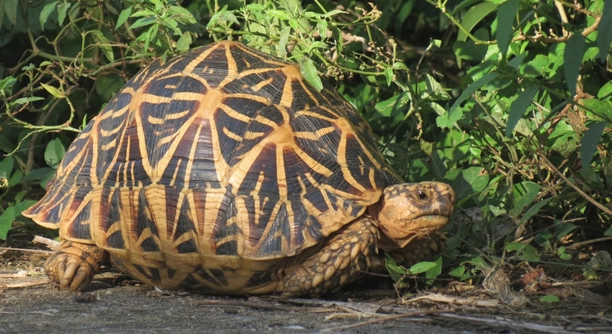
Turtles are fascinating creatures, and they can become quite attached to their environment. But what happens when they start showing signs of loneliness? Understanding your turtle’s needs is essential to ensuring they remain happy and healthy.
Turtles, like many animals, can experience loneliness when they are isolated or lack adequate social stimulation. This may lead to changes in behavior, such as reduced activity or excessive hiding, indicating that they may require more interaction or companionship.
A turtle’s well-being depends on its environment and social needs. Recognizing the signs of loneliness can help improve their living conditions.
1. Lack of Activity and Energy
Turtles that are feeling lonely may seem sluggish or uninterested in their usual activities. They might spend more time hiding or resting in their shell instead of swimming, basking, or exploring their environment. When a turtle is by itself too long, it can feel disconnected from the world around it, leading to a decrease in overall activity.
When your turtle is alone, it can become less engaged in its surroundings. Loneliness can make them seem less curious, as they lack the motivation to interact with their habitat. Without stimulation, they may spend their time tucked away, which can be alarming.
Providing more enrichment and companionship can help your turtle stay more active. Adding more plants, rocks, or even a buddy can inspire your turtle to come out and explore more. It’s important to make sure they have enough space and things to interact with. Even if you don’t have another turtle, creating a more interactive environment can keep them healthier.
2. Hiding More Than Usual
Sometimes, turtles who are alone will retreat to their hiding spots more frequently. They may spend long periods in caves or under rocks, refusing to come out even during feeding time. This behavior could indicate that they are feeling stressed or lonely.
If your turtle is hiding more than usual, it’s a sign they might be seeking comfort in isolation. Turtles are naturally shy animals, but excessive hiding can point to emotional distress. If they feel alone or insecure, they may withdraw further to avoid confronting their environment.
Creating a comfortable and secure habitat with enough hiding spots is important for your turtle’s well-being. Try to keep their space as stress-free as possible. Adding objects that mimic the natural environment can also help them feel more at ease, providing them with a sense of security and reducing stress levels.
3. Changes in Eating Habits
Lonely turtles may stop eating as much as they used to. They might refuse food or show a lack of interest in their meals. This can be a sign that something is off in their environment, like loneliness or stress.
When your turtle isn’t eating, it’s important to evaluate their living situation. A decrease in appetite could signal that they are not getting the social stimulation they need. If they’re alone too often, it may be causing them to lose their natural interest in food. Turtles are generally curious creatures, and a lack of interaction can affect their appetite.
Try offering them different types of food or adjusting their environment. Adding some new objects to their space might spark their curiosity again, and providing a companion can help bring back their appetite. A well-fed and mentally engaged turtle is usually a healthier one.
4. Aggressive Behavior
Sometimes, loneliness can make turtles act out aggressively. If they begin to show signs of biting, lunging, or chasing after other tank mates, it may be due to frustration from isolation. This kind of behavior can be alarming but is often a sign of emotional distress.
Aggression in turtles can also occur when they are feeling territorial or anxious. If your turtle is the only one in their space, they may start behaving aggressively because they feel the need to protect their area. Adding enrichment or social interaction might help calm this behavior down. Regular handling or even a tank mate can also ease their nerves.
Make sure your turtle feels secure and safe in their environment. If aggression continues, it might be a sign they need more social interaction or additional space. Over time, with proper care, this behavior should decrease as their emotional needs are met.
5. Lack of Social Interaction
Turtles, while not highly social animals, still need some form of interaction to stay mentally healthy. If they’re isolated too long, they may become withdrawn and less responsive to their surroundings.
Your turtle may show disinterest in activities or simply ignore attempts to engage with them. Without social interaction, even minimal, turtles can feel lonely and stressed. They need at least some engagement, whether it’s from you or other creatures in their environment. Offering regular attention can help prevent feelings of isolation.
6. Uneven Shell Growth
A lonely turtle might experience uneven shell growth, which could be a result of stress. If they are not getting enough stimulation, it can affect their overall health and growth patterns.
This may not be immediately noticeable but could be a sign of an underlying issue. Uneven shell growth can happen when a turtle feels neglected or doesn’t have enough to do. Providing a more enriched environment can help regulate their health and shell development, promoting healthier growth.
7. Reduced Exploration
Turtles are naturally curious, but a lonely turtle may lose interest in exploring. They may stop swimming around their tank or interacting with new objects. This behavior can signal that your turtle is not mentally stimulated enough and may need more attention.
When a turtle isn’t exploring, it could be a sign of depression or stress. Try introducing new items or rearranging their environment to spark some curiosity. Adding a companion could also encourage them to be more active and social.
FAQ
How can I tell if my turtle is lonely?
If your turtle is spending more time than usual hiding, showing less interest in food, or becoming more aggressive, these could be signs that they are feeling lonely. Lack of activity, reduced exploration, and changes in behavior are key indicators. A healthy turtle should be active, curious, and willing to interact with its environment. If these signs are present, it’s time to reassess their living situation to ensure they have enough stimulation and companionship.
Should I get another turtle for company?
Adding another turtle can be a good idea, but it’s important to consider the species and size of the turtles to ensure they are compatible. Some turtles are solitary, while others thrive in social groups. Before introducing a new turtle, research their specific needs and make sure you have enough space for both. A proper introduction is crucial to avoid territorial fights or stress for either turtle.
Can I play with my turtle to keep it from feeling lonely?
Yes, interacting with your turtle can help prevent loneliness. You can handle your turtle gently, or let them roam around in a safe, contained area outside their tank. While turtles are not as interactive as some pets, regular interaction can provide mental stimulation. Just be careful not to stress them out with too much handling or sudden movements.
How can I keep my turtle mentally stimulated?
Providing enrichment is key to keeping your turtle mentally active. Adding plants, rocks, and floating objects to their tank encourages exploration. Changing the layout of the tank periodically or introducing new items can spark curiosity. Offering different types of food or treating them with new food textures can also keep their minds engaged. If possible, allowing them some time outside their tank in a safe area is also a good option.
Is it okay to leave my turtle alone for long periods?
While turtles are independent creatures, they shouldn’t be left alone for too long. Extended isolation can lead to stress and loneliness, which can affect their health. If you need to leave your turtle for an extended period, ensure their tank is properly set up to provide everything they need—clean water, food, and space to move. If possible, arrange for someone to interact with them or check on their well-being.
Can turtles feel depressed?
Yes, turtles can experience stress and depression, particularly if they feel isolated or their living environment lacks stimulation. Symptoms of depression may include a decrease in appetite, increased hiding, and a lack of interest in their surroundings. Ensuring that your turtle has enough social interaction, mental stimulation, and a healthy environment can help prevent these issues.
How often should I clean my turtle’s tank?
Turtle tanks should be cleaned regularly to prevent the buildup of waste and bacteria that could cause health problems. You should change 25-50% of the water weekly, depending on the tank size and how many turtles you have. The tank itself should be cleaned at least once a month. Make sure to remove any uneaten food or debris as well.
Do turtles get lonely if they are kept alone?
Some turtles do experience loneliness, especially if they are solitary by nature. While some species prefer solitude, others thrive in social settings. If your turtle is showing signs of loneliness like reduced activity, lack of interest in food, or excessive hiding, consider adding enrichment to their environment or introducing a companion if appropriate for their species.
What can I do if my turtle is hiding a lot?
If your turtle is hiding excessively, try to check the temperature and water quality in their tank. Poor water conditions or inappropriate temperatures can make turtles retreat more often. Additionally, assess their surroundings for stressors—loud noises, bright lights, or the presence of other pets can also cause them to hide. Offering more hiding spots can help them feel more secure.
How do I create a more engaging environment for my turtle?
To keep your turtle engaged, try adding more objects to their tank that they can interact with. This could include plants, logs, or ramps. Providing a variety of surfaces for climbing or basking can also promote activity. A large tank with plenty of swimming space is crucial. For land-based turtles, adding a few safe plants to their enclosure can offer additional enrichment.
Can I keep different species of turtles together?
It is possible to keep different species of turtles together, but it can be tricky. Some species are more territorial than others, and mixing them can lead to stress, fighting, or injury. Before housing multiple species together, make sure they are compatible in terms of size, diet, and behavior. If you’re unsure, it’s best to keep them in separate tanks.
How can I tell if my turtle is sick or just lonely?
It can be hard to distinguish between sickness and loneliness because the symptoms overlap, like loss of appetite or lethargy. However, if your turtle is also showing signs like swollen eyes, discharge from the nose, or abnormal shell changes, these could be signs of illness. A trip to the vet is necessary if you suspect your turtle is sick. If it’s just loneliness, you may see more behavioral changes like excessive hiding, which can be addressed with more stimulation.
Can I leave my turtle outside in the yard?
It is possible to let your turtle spend time outside, but it’s important to ensure the area is secure and free from predators. Outdoor enclosures should be protected from extreme weather, and the temperature should be regulated. Be sure to provide plenty of shade and fresh water, and always supervise them when they are outside. Not all turtles should be left outside, as some species require specific conditions that can’t always be replicated outdoors.
Are there any toys for turtles?
Yes, you can use toys to keep your turtle mentally engaged. Floating toys, small plastic balls, or even pieces of floating lettuce can encourage them to move around more. Just be sure any toys you introduce are safe for your turtle and won’t break into small pieces they could accidentally swallow. Toys that mimic their natural environment, like logs or rocks, can also serve as enrichment.
How can I tell if my turtle is stressed?
Signs of stress in turtles can include loss of appetite, hiding more than usual, aggression, or difficulty swimming. Stress can also be caused by poor water quality, overcrowding, or changes in their routine. Ensuring a proper, clean environment with enough stimulation can help reduce stress levels and improve their quality of life.
Can I let my turtle roam around the house?
Letting your turtle roam around the house can be a fun way to provide enrichment, but it’s important to supervise them closely. Make sure the area is safe and free from hazards like electrical cords, sharp objects, or areas where they could get trapped. A safe, confined space will prevent them from getting into dangerous situations. Always return them to their tank after playtime to ensure they have access to their proper habitat.
Final Thoughts
Understanding when your turtle might be feeling lonely is key to ensuring they live a happy and healthy life. Like many pets, turtles have unique needs that can be overlooked. A lack of interaction or proper stimulation can lead to stress and changes in behavior. By paying attention to the signs of loneliness, you can make simple adjustments to their environment that will have a positive impact on their well-being. Whether it’s adding more hiding spots, adjusting the tank’s layout, or introducing a companion, small changes can help your turtle feel more comfortable and less isolated.
Taking care of a turtle involves more than just feeding them and maintaining their tank. It’s about creating an environment where they can thrive. A turtle that feels lonely may withdraw, stop eating, or act aggressively. These signs can often be mistaken for health issues, but in many cases, they are caused by stress or lack of stimulation. Regularly interacting with your turtle, providing a variety of environmental enrichments, and offering opportunities for socialization will help prevent these negative behaviors. When you meet your turtle’s emotional and environmental needs, they are more likely to stay active, curious, and healthy.
Remember that every turtle is different, and some may be more independent than others. However, even the most solitary turtle still needs some form of engagement to stay emotionally balanced. By observing their behavior and adjusting their care routine as needed, you can ensure they have a fulfilling life. Loneliness in turtles can be prevented with simple actions that cater to their natural instincts. Whether it’s through companionship, interaction, or an enriched habitat, making these adjustments will improve their quality of life and overall health.

Hello,
If you enjoy the content that we create, please consider saying a "Thank You!" by leaving a tip.
Every little bit helps us continue crafting quality advice that supports the health, happiness, and well-being of pets around the world, for pets of all shapes, sizes, and species.
We really appreciate the kindness and support that you show us!