
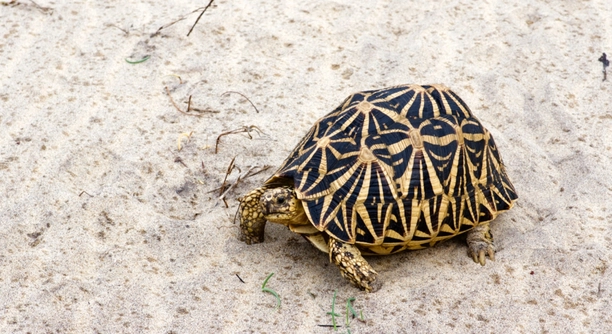
Are your turtle’s reactions making you think it might be afraid of you? Turtles are naturally cautious creatures, but sometimes, their fear can be linked to specific behaviors or environmental factors that make them feel uneasy in your presence.
The main reason your turtle might be afraid of you is a lack of trust and familiarity. Sudden movements, loud noises, improper handling, or an unfamiliar environment can cause stress, making your turtle retreat or hide whenever you approach.
Turtles require patience and consistency to feel comfortable around their owners. Understanding what triggers their fear will help you create a safe and stress-free environment, allowing your turtle to gradually trust you over time.
Sudden Movements Startle Your Turtle
Turtles are sensitive to sudden movements, which can make them feel threatened. Quick hand gestures, abrupt reaching, or fast approaches may cause your turtle to retreat into its shell or hide. In the wild, predators move quickly, so a turtle’s instinct is to respond to rapid motion with fear. Even if you mean no harm, your turtle may not understand that at first. If your turtle flinches or withdraws when you move, it is likely feeling unsafe. Creating a calm and predictable environment will help reduce stress and make your turtle more comfortable.
Moving slowly and gently around your turtle can make a big difference. Let your turtle see your hands before you reach for it, and avoid hovering over it. This will help it feel more secure in your presence.
If your turtle is new to your home, it may take time to adjust. Giving it space and avoiding sudden interactions will allow it to feel safe. Over time, consistent and gentle handling will help your turtle recognize you as a source of comfort rather than a threat.
Loud Noises Cause Stress
Turtles have strong reactions to loud sounds. Noisy environments can make them feel unsafe, leading to stress and fear.
Constant exposure to loud noises, such as televisions, music, or household chatter, can make your turtle anxious. Vibrations from loud sounds can also disturb them, causing them to retreat into their shells. Even sudden noises like a dropped object or a barking dog can make your turtle wary of its surroundings. If your turtle appears skittish or hides often, excessive noise could be a factor.
Keeping your turtle’s habitat in a quiet area can help reduce stress. Avoid placing the enclosure near speakers, busy rooms, or areas with frequent disturbances. Speaking softly and keeping background noise low will also help your turtle feel more at ease. Over time, a peaceful environment will encourage your turtle to feel safe and trust your presence.
Improper Handling Causes Fear
Handling a turtle the wrong way can make it feel unsafe. If it is grabbed suddenly, lifted too high, or flipped upside down, it may panic. Turtles need to feel secure when being held, or they will associate handling with stress.
Supporting your turtle’s body properly is important. Always scoop it up from underneath, using both hands for stability. Avoid squeezing or holding it too tightly, as this can cause discomfort. Let your turtle get used to your touch by placing your hands near it before picking it up. Gentle and predictable handling will help your turtle feel more at ease.
If your turtle seems nervous, limit handling time and allow it to adjust gradually. Some turtles prefer minimal handling, while others become more comfortable over time. Paying attention to its body language and responses will help you understand what makes it feel safe.
Unfamiliar Scents Make Your Turtle Cautious
Turtles rely on their sense of smell to recognize their environment. If they detect unfamiliar scents, they may become wary. Strong odors from lotions, soaps, or cleaning products can make them uneasy, causing them to retreat or avoid contact. Keeping your hands clean and scent-free can help your turtle feel more comfortable.
Turtles take time to recognize familiar scents. If your hands carry different smells each time you interact, your turtle may hesitate to trust you. Washing your hands with unscented soap before handling can create consistency. Avoid wearing strong fragrances, as these can be overwhelming. A familiar and natural scent will make your turtle more likely to feel at ease.
Over time, your turtle will begin to associate your scent with safety. The more predictable your scent, the easier it will be for your turtle to recognize you. Creating a consistent and comfortable environment will encourage trust and reduce fear.
A New Environment Feels Overwhelming
Moving to a new home can make a turtle nervous. Unfamiliar surroundings, different smells, and sudden changes in routine can cause stress. It may hide, refuse to eat, or react cautiously to any movement. Giving it time to adjust will help it feel more secure.
Keeping the enclosure setup consistent can reduce anxiety. Avoid rearranging decorations or frequently changing the habitat’s location. Providing hiding spots and a familiar feeding routine will help your turtle feel more at ease. Gradual exposure to your presence will also make it more comfortable over time.
Lack of Trust Takes Time to Overcome
Building trust with a turtle requires patience. If it has not had positive interactions with humans, it may take longer to feel safe. Regular, gentle interactions, along with a calm environment, will help it associate you with safety instead of fear.
Hunger or Discomfort Affects Behavior
A hungry or uncomfortable turtle may act differently. If its habitat is too cold, too hot, or lacking proper care, it may become withdrawn or skittish. Ensuring a stable environment and a consistent feeding schedule will help maintain your turtle’s overall well-being and sense of security.
FAQ
Why does my turtle hide whenever I enter the room?
Turtles hide when they feel unsafe. If your turtle is new to your home, it may need time to adjust. Loud noises, sudden movements, or improper handling can also make it nervous. Keeping a quiet environment and moving slowly around your turtle can help it feel more secure.
How long does it take for a turtle to trust its owner?
Each turtle is different, so trust can take weeks or even months to build. Consistency is key. Regular feeding, gentle handling, and a calm environment will help your turtle feel safe. Over time, it will recognize you as a source of food and comfort, making it less afraid.
Can turtles recognize their owners?
Turtles do not recognize their owners in the same way that dogs or cats do, but they can learn to associate you with positive experiences. They rely on sight, smell, and sound to identify familiar people. If you provide food and care regularly, your turtle may start responding to you.
Why does my turtle flinch when I reach for it?
Flinching is a sign of fear or discomfort. If your turtle has not been handled often or has had negative experiences, it may react defensively. Moving slowly and letting your turtle see your hands before touching it can help reduce its fear over time.
Should I handle my turtle every day?
Some turtles tolerate handling, while others prefer minimal contact. Pay attention to your turtle’s reactions. If it seems stressed, reduce handling and allow it to adjust gradually. If it is comfortable, short and gentle interactions can help it get used to you.
What should I do if my turtle refuses to eat?
Stress, illness, or environmental issues can cause a turtle to stop eating. Check that the enclosure is at the right temperature, and offer a variety of foods. If your turtle continues to refuse food for several days, a vet visit may be necessary.
Do turtles get scared easily?
Turtles are naturally cautious animals. They rely on their instincts to protect themselves from perceived threats. Changes in their environment, sudden movements, or unfamiliar scents can all trigger fear. Providing a stable, quiet habitat will help your turtle feel safe.
Can a turtle bond with its owner?
Turtles do not form emotional bonds like mammals, but they can become comfortable around their owners. They may recognize you as the one who feeds and cares for them, leading to a sense of familiarity. Some turtles will even approach their owners when they feel safe.
Why does my turtle retreat into its shell when I try to touch it?
Retreating into the shell is a defense mechanism. It means your turtle feels threatened or uncomfortable. This reaction is normal, especially if your turtle is not used to handling. Giving it time, being patient, and using gentle interactions will help it feel less afraid.
How can I make my turtle feel more comfortable around me?
Patience and consistency are important. Move slowly, avoid loud noises, and offer food regularly. Let your turtle observe you without forcing interaction. Over time, as it learns that you are not a threat, it will become more relaxed in your presence.
Is it normal for my turtle to be afraid of me even after weeks of care?
Yes, some turtles take longer to adjust than others. Factors like past experiences, species, and personality play a role in how quickly they feel safe. Continue providing a stable environment and positive interactions, and your turtle will eventually become more comfortable.
Final Thoughts
Turtles are naturally cautious animals, and fear is often their way of protecting themselves from potential danger. If your turtle seems afraid of you, it is not a sign of dislike but rather a sign that it needs more time to feel safe. Loud noises, sudden movements, improper handling, or changes in their environment can make them anxious. Understanding their behavior and responding with patience will help build trust. Every turtle is different, so the time it takes for them to feel comfortable will vary. Some turtles adjust quickly, while others take longer to recognize their owner as a source of safety and care.
Creating a calm and consistent environment is key to helping your turtle feel secure. Keeping noise levels low, avoiding sudden movements, and handling them gently will reduce stress. Providing a stable habitat with familiar scents and a proper temperature will also make a difference. If your turtle is new, give it time to adjust without forcing interaction. Feeding it at the same time each day and letting it see you regularly will help it associate you with positive experiences. Over time, your turtle will become more comfortable and may even start to approach you willingly.
Patience is the most important factor in gaining a turtle’s trust. Unlike dogs or cats, turtles do not form strong emotional bonds, but they can learn to feel safe around their owners. If your turtle is still afraid after weeks of care, do not get discouraged. Continue providing a stable and gentle environment, and eventually, your turtle will become more relaxed in your presence. Observing its behavior and adjusting your interactions accordingly will help you create a stress-free relationship. With time and consistency, your turtle will feel safe, making your bond with it even stronger.

Hello,
If you enjoy the content that we create, please consider saying a "Thank You!" by leaving a tip.
Every little bit helps us continue crafting quality advice that supports the health, happiness, and well-being of pets around the world, for pets of all shapes, sizes, and species.
We really appreciate the kindness and support that you show us!