
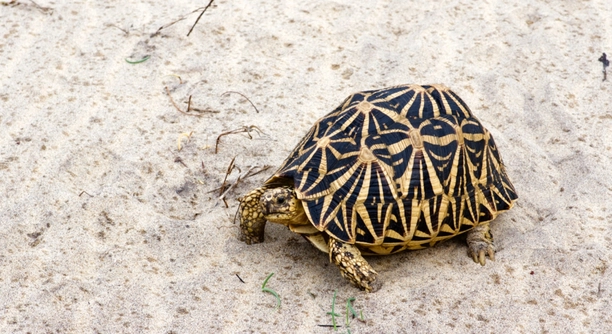
Turtles are fascinating creatures, and watching them move around their enclosures can be quite entertaining. However, you might notice your turtle frequently trying to flip over, and this behavior can be concerning.
Turtles may attempt to flip over for various reasons, including improper tank setup, physical health issues, or environmental stress. This behavior often signals discomfort, the need for more space, or even an imbalance in their habitat conditions.
Understanding what causes your turtle’s flipping attempts will help prevent potential harm. Identifying the root cause ensures you can make necessary changes to improve their living conditions and health.
Possible Causes of Your Turtle’s Flipping Behavior
If your turtle keeps trying to flip over, it could be due to several reasons, starting with its environment. Turtles need enough space to move around comfortably. A cramped enclosure can cause stress, leading to unusual behavior like flipping. Another factor is the water quality. Poor water conditions, such as improper temperature or high levels of ammonia, can make your turtle feel uncomfortable and even attempt to flip over to escape the situation. Additionally, if your turtle has a specific medical issue, like a shell injury or neurological condition, it could be struggling with balance, causing it to flip.
In some cases, a lack of proper basking spots can also contribute to this issue. Turtles need access to dry areas where they can rest and regulate their body temperature. Without a proper basking platform, your turtle may be trying to flip itself in search of a place to dry out.
Ensuring your turtle’s habitat is set up correctly can greatly reduce the chances of this behavior. Having adequate space, water quality, and proper basking areas is key to a happy, healthy turtle. Be sure to monitor its health closely and address any signs of illness or discomfort as soon as possible.
How Health Issues Impact Your Turtle’s Behavior
If the flipping persists, it could be a sign of underlying health problems. Neurological disorders can affect balance, leading to difficulty in righting itself. Injuries, especially to the shell, might also make it hard for the turtle to maintain an upright position. Health conditions like metabolic bone disease can weaken bones and make movement difficult.
Proper care, including a well-balanced diet and regular check-ups, can prevent many of these health issues. A turtle that struggles to right itself may need a professional evaluation to determine whether it’s a medical problem requiring treatment.
Tank Setup and Its Impact on Turtle Behavior
A poorly designed tank can cause your turtle to feel cramped or stressed, leading to flipping. The tank should be large enough for your turtle to move freely. If there’s not enough space, it might struggle to find its footing, causing it to attempt flipping.
A proper tank setup should have a good balance of water depth and dry areas for basking. Turtles need both an aquatic environment and a place to get out of the water for heat regulation. Without a well-constructed tank, your turtle might feel constantly uncomfortable, leading to unusual movements like flipping. Make sure the basking area is easily accessible for your turtle to climb out of the water.
Tanks that are too small or lack proper environmental elements may create unnecessary stress. If the water is shallow or if there is no place for the turtle to hide or rest, it might feel unsafe. This could trigger flipping attempts as the turtle struggles to find comfort. A well-maintained and spacious tank promotes a healthy, stress-free life for your turtle.
Proper Care to Prevent Flipping
Consistent care and attention are crucial for a turtle’s well-being. Regular cleaning of the tank, proper water filtration, and monitoring the water temperature all play a role in keeping your turtle healthy and preventing stress-induced behaviors.
If the environment isn’t clean or the water quality is poor, your turtle may try to flip over in an attempt to escape the discomfort. Clean water and proper temperature regulation are key in avoiding such behavior. Keeping track of the turtle’s health through regular observation is essential to spot any signs of illness early on, preventing bigger issues later.
Environmental Stressors
Loud noises, bright lights, and sudden movements around the tank can stress your turtle. These stressors may make your turtle feel threatened, and it might start flipping over in an attempt to escape. Creating a calm environment is essential to prevent such behaviors.
Turtles are sensitive to changes in their environment. If there’s a lot of activity around their tank, they might react by trying to flip over, especially if they feel trapped or overwhelmed. Reducing disturbances and ensuring a quiet, peaceful area will help your turtle feel secure. A more relaxed turtle is less likely to engage in distressing behaviors.
Temperature and Humidity
Turtles need a specific temperature range to stay healthy. If the water or basking area is too cold or too hot, your turtle could experience discomfort, which might lead to flipping over. Proper heating equipment is essential for maintaining the right conditions.
The right humidity and temperature in the tank are crucial for your turtle’s health. Improper temperatures affect their metabolism and comfort, making them more prone to stress. Use a reliable thermometer and heating system to ensure the environment is ideal for your turtle’s needs.
FAQ
Why does my turtle flip over when it’s trying to move?
Turtles may flip over when they’re trying to move due to a lack of traction or an unstable surface. If the tank or enclosure isn’t properly set up, the turtle may struggle to maintain its balance, especially on slippery or uneven surfaces. Additionally, if the turtle feels weak or has a health issue, like a shell injury, it might not be able to right itself. It’s important to ensure that the tank has a stable, non-slippery surface, and that the turtle has enough room to move without obstacles that could cause flipping.
Can my turtle be trying to flip because of illness?
Yes, illness could cause your turtle to flip over. If your turtle has a medical issue such as neurological problems, shell deformities, or infections, it could struggle with balance and may try to flip over. Common conditions like metabolic bone disease or shell rot can affect the turtle’s mobility. If your turtle is consistently flipping over, it’s important to check for other signs of illness, such as lethargy, loss of appetite, or changes in its shell, and consult with a vet for a proper diagnosis.
How can I prevent my turtle from flipping over?
To prevent your turtle from flipping over, make sure its enclosure is set up correctly. Ensure there’s enough space for it to move freely without feeling cramped. Provide a stable surface for your turtle to walk on, with a proper basking area that’s easy to access. Maintain optimal water conditions, including the right temperature and proper filtration, as stress from poor water quality can lead to abnormal behavior. Regularly check your turtle’s health and consult a veterinarian if you notice any unusual signs or persistent flipping behavior.
Should I be concerned if my turtle flips over often?
Frequent flipping could be a sign of an underlying issue. It could be related to stress, poor tank conditions, or a health problem. It’s important to observe the behavior closely. If your turtle is unable to right itself or seems unable to stop flipping, it could indicate a serious issue. If the flipping continues despite proper tank conditions and care, it’s recommended to consult with a veterinarian to rule out any medical problems.
Is it okay for my turtle to stay upside down for a long time?
No, it is not safe for a turtle to stay upside down for an extended period. Turtles are designed to stay upright, and when they flip over, they could be at risk of suffocation, injury, or stress. If a turtle is unable to right itself, it can quickly become exhausted and dehydrated. Ensure that your turtle’s enclosure is safe and has enough space for it to turn itself over easily if needed. If your turtle is struggling to get back up, immediately assist it to prevent any harm.
Could the water temperature be causing my turtle to flip over?
Yes, incorrect water temperature can cause your turtle to feel uncomfortable and potentially lead to flipping behavior. If the water is too cold, your turtle may become lethargic and weak, making it difficult for it to move or right itself. If the water is too warm, it can also cause stress and dehydration, which may lead to flipping. Keep the water temperature within the ideal range for your turtle species to ensure it remains active and healthy. A water thermometer can help you monitor and maintain the correct temperature.
How do I know if my turtle is stressed from its environment?
Signs of stress in turtles include frequent flipping, hiding, lethargy, loss of appetite, and abnormal swimming patterns. If there are disturbances in the turtle’s environment, such as loud noises or overcrowding in the tank, the turtle may start to act out. Stress can also occur if the tank is too small or if the turtle is not provided with appropriate areas to bask. If your turtle is exhibiting any of these behaviors, consider evaluating and adjusting its living conditions to reduce stress.
Does the tank size affect my turtle’s behavior?
Yes, the tank size plays a crucial role in your turtle’s behavior. A tank that is too small can make your turtle feel confined and stressed, leading to behaviors like flipping. Turtles need plenty of space to move, swim, and explore. A cramped environment can also prevent the turtle from accessing essential basking spots or properly regulating its body temperature. Make sure your tank is large enough for your turtle to move around comfortably, with both aquatic and dry areas to meet its needs.
Can too many decorations in the tank cause flipping?
Yes, excessive decorations in the tank can contribute to flipping. While it’s important to have some enrichment for your turtle, too many obstacles can create a cluttered environment that makes it difficult for the turtle to move freely. Ensure there is enough open space for your turtle to swim and bask without being obstructed by decorations. It’s also important that any decorations or hiding spots are secure and do not pose a risk of trapping or injuring the turtle.
What should I do if my turtle can’t flip back over?
If your turtle can’t flip back over, it’s important to assist it immediately. Gently flip it back onto its feet to prevent injury or stress. If this happens frequently, you should evaluate the tank setup to ensure it’s safe and accessible for the turtle. If the flipping continues, it might be a sign of health issues, and you should consult a veterinarian for advice. Keeping a close eye on the turtle will help prevent long-term damage or distress.
Final Thoughts
If your turtle keeps trying to flip over, it’s important to pay attention to its environment, health, and behavior. Most of the time, flipping can be a sign of something that can be fixed, like an improperly set-up tank, stress, or health issues. By adjusting the tank to provide more space, the right temperature, and clean water, you can often prevent this behavior from happening. Creating a stress-free environment is also key. Turtles are sensitive to their surroundings, so minimizing noise or sudden changes can help keep them calm and comfortable.
However, if you notice your turtle consistently struggling to flip back over or if it shows signs of illness, it’s crucial to take action. Health problems, such as neurological issues or shell damage, can cause a turtle to lose its balance. In such cases, visiting a veterinarian who specializes in reptiles is a wise step. A vet can help identify any medical conditions and provide treatment to improve your turtle’s health. Early intervention is important for avoiding long-term issues and ensuring your turtle stays healthy.
In the end, taking a close look at the setup and daily care of your turtle is essential for its well-being. Small changes, like improving water conditions or providing better access to basking areas, can make a significant difference in your turtle’s behavior. As long as you provide a healthy environment and monitor for any signs of illness or distress, your turtle should be able to thrive without constantly attempting to flip over.

Hello,
If you enjoy the content that we create, please consider saying a "Thank You!" by leaving a tip.
Every little bit helps us continue crafting quality advice that supports the health, happiness, and well-being of pets around the world, for pets of all shapes, sizes, and species.
We really appreciate the kindness and support that you show us!