
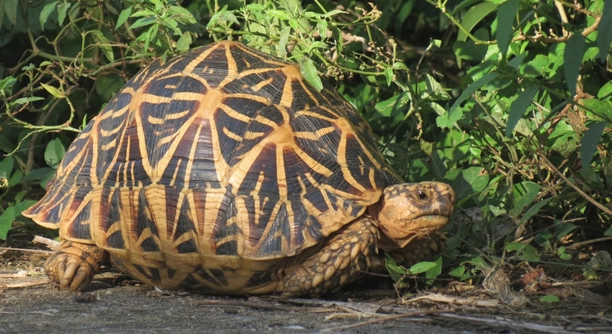
Turtles are fascinating creatures, and as a pet owner, you want to make sure they’re happy and healthy. Providing enrichment is essential to their well-being. This guide will walk you through simple and effective ways to keep your turtle content.
Providing enrichment for turtles involves creating an environment that mimics their natural habitat. Key activities such as offering hiding spots, varied food, and physical stimulation can help engage their minds and promote physical health, reducing stress and improving overall well-being.
With these tips, you can enhance your turtle’s daily life and help them thrive. Simple changes in their environment can lead to big improvements in their happiness and health. Let’s explore how to make these adjustments for a more enriched life for your turtle.
Create a Natural Habitat with Hiding Spots
Turtles thrive in environments that resemble their natural habitat. One of the easiest ways to provide enrichment is by adding hiding spots. Turtles, like many other animals, feel safer when they have a place to retreat. Simple objects like rocks, logs, or plants can create areas where they can rest and feel secure. It’s important to have multiple hiding places so that each turtle, especially if you have more than one, has their own private space. This allows them to escape from any stress they may experience and fosters a more relaxed environment.
Adding natural hiding spots mimics what turtles experience in the wild. The more natural the setup, the better your turtle will feel. The variety of spots also keeps them active, as they’ll explore their surroundings and search for new places to hide. This provides physical and mental stimulation.
Having places to hide not only adds to your turtle’s physical comfort, but it also plays a key role in their mental well-being. These spaces will help prevent them from becoming anxious or stressed in their habitat. Keeping their environment interesting and secure promotes a calm, contented turtle.
Provide a Varied Diet
Offering different types of food adds enrichment to your turtle’s life. Turtles enjoy a wide range of foods, from leafy greens to protein sources like insects or fish.
Variety is essential in keeping their diet balanced while also giving them something to look forward to. A diverse diet prevents boredom and encourages them to use their natural foraging skills. By offering different textures and flavors, you keep their feeding time exciting and engaging. It also helps provide a well-rounded nutrition plan that supports their health in the long run.
Provide Water Play
Water play is a great way to encourage your turtle to move and stay active. It also mimics their natural behavior in the wild. You can add a shallow area where they can splash around, or even a small water fountain to create movement. This keeps them engaged and stimulated.
Having moving water also adds variety to their environment, which is key for enrichment. Many turtles enjoy swimming and will interact with different water features. You can adjust the water flow to suit your turtle’s preferences, which will make it even more enjoyable for them.
Turtles are naturally drawn to water, so providing a space where they can swim freely is beneficial. This type of activity helps them build muscles and stay physically fit. It also adds a sense of novelty to their environment, which can reduce stress and improve their quality of life.
Use Different Textures
Different textures can keep your turtle’s environment interesting and provide mental stimulation. Try adding soft materials like moss or sand alongside rougher surfaces such as rocks or driftwood.
The variety of textures allows your turtle to explore and engage with their surroundings. Some turtles will enjoy climbing over rocks, while others might prefer burrowing in the sand. This not only provides physical exercise but also helps them use their natural instincts and behaviors. Experiment with different textures to see what your turtle enjoys most.
Providing different surfaces for them to interact with promotes mental stimulation. Turtles are curious creatures, and they will likely enjoy exploring a variety of textures in their environment. This helps to keep their environment dynamic, reducing the chance of boredom and encouraging healthy behavior.
Provide UVB Lighting
UVB lighting is essential for your turtle’s health and well-being. It helps them produce Vitamin D3, which is necessary for proper shell growth and calcium absorption. Without adequate UVB light, turtles can develop health issues such as shell deformities or metabolic bone disease.
Make sure the UVB light is placed at an appropriate distance from your turtle’s basking area, as too much or too little exposure can cause problems. It’s important to keep the bulb at the correct strength and replace it regularly to maintain optimal health.
Providing UVB light also encourages natural behaviors like basking, helping to regulate their body temperature and improve overall health.
Offer a Basking Area
A basking area gives your turtle a place to dry off and warm up. This is crucial for their physical health and energy levels.
Turtles need a dry area where they can bask under a heat source, allowing them to regulate their body temperature. Make sure the area is sturdy and easy for your turtle to climb onto, promoting comfort and access.
Having a proper basking area is a vital part of creating a balanced environment for your turtle. It provides both warmth and a place for them to relax and rest in between swimming.
FAQ
How can I tell if my turtle is bored?
Turtles may show signs of boredom through lack of activity or repetitive behaviors. If your turtle isn’t swimming or exploring their habitat, it could indicate boredom. You might also notice them pacing back and forth or spending too much time in one area without moving. Providing more enrichment, like adding new textures or a variety of food, can help them become more active and engaged. Keeping an eye on your turtle’s behavior will allow you to notice any changes in their activity levels.
How often should I change my turtle’s water?
You should change your turtle’s water at least once a week, or more frequently if the tank is small or your turtle is particularly messy. The water quality is essential for their health, as dirty water can lead to infections or other health problems. Ensure the water temperature is maintained as well. If you have a filtration system, this can help maintain clean water for a longer period, but regular water changes are still necessary to keep your turtle safe and healthy.
What’s the best way to set up a tank for my turtle?
The tank setup depends on the species, but in general, turtles need both a water area and a dry basking spot. The tank should have enough space for swimming, and the water should be filtered to stay clean. You’ll also need UVB lighting to help your turtle regulate its temperature and produce vitamin D3. A basking area, such as a rock or ramp, should be available for them to dry off and warm up. Add natural elements like plants or rocks for climbing and hiding to keep your turtle mentally stimulated.
Do turtles need company or can they live alone?
Turtles can live alone, especially species like red-eared sliders or box turtles, which are solitary by nature. However, some species do well in groups if provided enough space and resources. If you keep multiple turtles together, ensure the tank is large enough to avoid territorial disputes. Overcrowding can cause stress and aggression. It’s important to observe their behavior and separate them if you notice signs of fighting.
What is the best food for my turtle?
Turtles need a balanced diet consisting of both plant matter and protein. The specific foods vary by species, but most turtles benefit from leafy greens like lettuce, kale, and collard greens, as well as vegetables like carrots or squash. For protein, you can offer insects, small fish, or commercial turtle pellets. Be sure to avoid feeding them too many high-fat or high-protein foods, as this can lead to obesity or health problems. Variety is key to a well-rounded diet.
How can I keep my turtle’s shell healthy?
A healthy shell requires a balanced diet, proper UVB lighting, and adequate basking time. Ensure your turtle gets enough calcium, which can be found in dark leafy greens and supplemented with calcium powder. Also, provide UVB light to help your turtle absorb calcium properly. Keeping their tank clean and ensuring proper hydration also contributes to shell health. If you notice any signs of shell damage or abnormalities, consult a veterinarian to address the issue promptly.
Can turtles get along with other pets?
Turtles may not always get along with other pets. Many species are solitary and territorial, so introducing other animals, especially other turtles, into their habitat can cause stress and fighting. If you have other pets like fish, birds, or dogs, make sure the turtle’s space is secure and they cannot come into direct contact with these animals. Always supervise interactions and ensure the other pets are not threatening to the turtle’s safety.
How do I know if my turtle is sick?
Signs of illness in turtles include a lack of appetite, swollen eyes, lethargy, or changes in their shell appearance. If your turtle is floating or sinking abnormally, it could be a sign of health issues. Respiratory problems, such as wheezing or nasal discharge, can also indicate illness. It’s important to monitor their behavior closely and seek veterinary care if you notice any of these symptoms. Early detection and treatment can help prevent more serious health issues.
Can I take my turtle outside?
Taking your turtle outside can be beneficial, as long as it is done safely. If you have a secure, safe outdoor space where the turtle can roam freely, they may enjoy the natural sunlight and space to explore. However, never leave your turtle unattended outside, as they can be vulnerable to predators or environmental hazards. Always make sure the outdoor temperature is appropriate for your turtle’s species, and ensure they have access to water and shelter.
How long do turtles live?
Turtles can live a long time, often several decades. The lifespan depends on the species, with some living for over 50 years. For example, red-eared sliders can live up to 40 years in captivity, while box turtles can live over 100 years. To ensure a long, healthy life for your turtle, provide proper care, a balanced diet, and a suitable environment.
Do turtles need exercise?
Yes, turtles need exercise to stay healthy. Swimming and exploring their environment provide both physical and mental stimulation. If kept in a confined space, turtles may not get enough exercise, which can lead to weight gain or joint problems. Adding features like climbing ramps, rocks, or different textures can encourage movement and give your turtle the chance to stay active.
Final Thoughts
Providing enrichment for your turtle is essential for their overall well-being. By making small changes to their environment and routines, you can create a space that encourages natural behaviors and supports their physical and mental health. Turtles thrive when their habitat resembles the outdoors, with hiding spots, varied textures, and a clean, spacious area to roam. Adding natural elements like rocks, plants, and logs not only gives them places to explore but also makes their habitat more engaging. The goal is to make sure they have a healthy and comfortable space that helps them feel secure and happy.
One of the most important aspects of turtle care is maintaining a proper diet. Offering a variety of foods, from leafy greens to protein sources, helps keep your turtle’s diet balanced and interesting. Regularly changing their water and providing UVB lighting is also crucial. The right lighting helps them absorb necessary vitamins, while clean water keeps them healthy and prevents infections. Ensuring that your turtle has a basking area is just as important as the water space, giving them the opportunity to dry off and regulate their body temperature. These simple steps will go a long way in ensuring your turtle remains active and healthy.
Lastly, be observant of your turtle’s behavior and habits. Every turtle is different, and it’s important to understand their preferences and needs. If you notice any changes in their activity, appetite, or behavior, it may be a sign that something in their environment needs adjusting. Keep in mind that turtles can live for many years, so the care you provide now will have a lasting impact on their health and happiness. By making sure they have everything they need to stay stimulated, healthy, and comfortable, you’ll be giving them the best chance for a long and fulfilling life.

Hello,
If you enjoy the content that we create, please consider saying a "Thank You!" by leaving a tip.
Every little bit helps us continue crafting quality advice that supports the health, happiness, and well-being of pets around the world, for pets of all shapes, sizes, and species.
We really appreciate the kindness and support that you show us!