
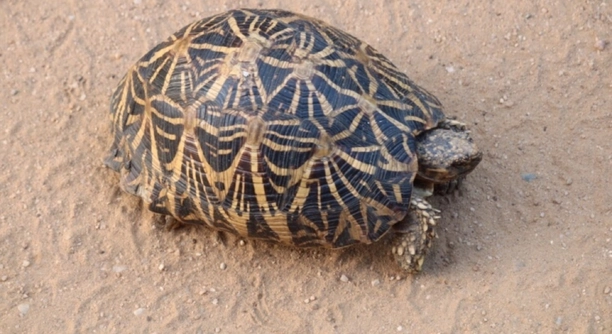
Turtles can be curious creatures, and sometimes, their behavior leaves us wondering what’s going on. If your turtle keeps scratching the tank glass, it’s important to understand why. This article explains the possible reasons for this behavior.
The most common reason why turtles scratch the glass is due to their natural instincts, such as exploring their environment, seeking food, or trying to escape. It could also indicate stress or discomfort within their habitat.
There are several factors to consider when it comes to your turtle’s scratching. Identifying the cause can help you provide a better living environment and improve your turtle’s well-being.
Why Do Turtles Scratch Glass?
Turtles have a strong instinct to explore their surroundings. Scratching the glass can be their way of interacting with the world around them. It’s normal for them to approach their tank’s walls out of curiosity. However, constant scratching may signal something else is going on in their environment. Turtles are often looking for food, or perhaps they’re attempting to escape. This behavior can also stem from boredom, especially if their habitat lacks variety in terms of hiding spots or objects to explore.
Stress is another reason why turtles may scratch the tank. If their living space is too small, not clean enough, or has improper water conditions, they may become frustrated and scratch at the glass. The same behavior can be seen when they’re not feeling safe or secure in their tank.
Turtles are intelligent, and scratching might also be a sign that they are trying to communicate a need. If their environment doesn’t meet their expectations, they can exhibit signs of stress, like scratching, that can lead to further health problems. Observing their scratching pattern and addressing their needs can significantly improve their well-being.
Stress and Tank Environment
A turtle’s tank must provide enough space to roam and explore. If your turtle is confined to a small area with little stimulation, it may start scratching. Stress can arise from several factors, including overcrowding, improper tank temperature, or a lack of hiding spots.
Your turtle’s living conditions play a huge role in its overall behavior. Inadequate water quality, wrong temperature levels, or the absence of natural elements like rocks or plants can all cause discomfort. This discomfort often results in scratching the glass as the turtle looks for a way out. A clean, spacious, and well-decorated tank can reduce stress and minimize this behavior.
Turtles also need proper filtration for their water. Dirty water can lead to skin infections or irritations, which may cause your turtle to scratch the glass in discomfort. A good filtration system will maintain the water’s quality and help your turtle feel more at ease. Additionally, keeping the water temperature consistent with the turtle’s species requirements is essential. If these factors are not addressed, it can lead to an unhappy, stressed-out turtle that keeps scratching the glass in search of relief.
Lack of Stimulation
Turtles need stimulation to stay mentally and physically active. If their environment lacks variety, they may resort to scratching the glass out of boredom. A tank that is too simple may not engage their curiosity.
Without proper stimulation, your turtle may feel confined and restless. Adding rocks, plants, or safe structures can encourage natural behavior, like climbing or exploring. These additions can also provide hiding spots, helping your turtle feel secure. Without these, the repetitive behavior of scratching might intensify, signaling a need for enrichment.
Consider rotating the objects in the tank to keep things interesting. You can also add different textures to the water, like floating logs or gentle water currents. These additions can help break the monotony and keep your turtle active, preventing scratching behaviors caused by boredom. Make sure to observe your turtle’s reactions to determine which additions work best.
Temperature and Lighting
The temperature and lighting in your turtle’s tank are crucial to its health and behavior. If the temperature is too high or low, your turtle might react by scratching the glass. It’s essential to provide the correct temperature gradient.
Turtles rely on a temperature gradient to regulate their body heat, so having a basking area and a cooler spot is necessary. Incorrect temperatures can cause discomfort and stress, which may lead to the turtle constantly scraping at the tank glass. The basking light should be on for about 10-12 hours per day, mimicking the turtle’s natural habitat.
Using a reliable thermometer to monitor the water and basking areas will ensure that the temperatures stay within a comfortable range. Keeping the tank within the appropriate temperature range for your specific turtle species will help prevent the unwanted glass scratching behavior.
Overcrowding
Overcrowding in a turtle tank can create stress and result in behaviors like glass scratching. Too many turtles in a confined space can make the environment feel unsafe. Providing enough space for each turtle to move freely is essential for their well-being.
A cramped tank limits your turtle’s movement, leading to frustration. Turtles need space to explore, bask, and swim. Overcrowding can cause territorial disputes and even injuries. If you notice persistent scratching, it might be due to your turtle feeling trapped. Always ensure your tank size is suitable for the number of turtles you have.
Water Quality
Dirty water can irritate your turtle and cause them to scratch the glass. Poor water quality affects their health, leading to discomfort. Regularly changing the water and using a good filtration system is key.
A clean tank supports better overall health for your turtle. If the water gets murky or polluted, your turtle might react by rubbing against the glass. This behavior can also stem from skin irritation caused by waterborne bacteria or waste. Checking the water quality regularly and keeping it clean is crucial for preventing these issues.
Inadequate Diet
An imbalanced diet may lead to behavior changes, including scratching. If your turtle is lacking essential nutrients, it might become agitated. Ensure your turtle’s diet is varied and provides the necessary vitamins and minerals.
FAQ
Why does my turtle scratch the tank glass all the time?
Scratching the glass is a common behavior in turtles. It’s usually a sign that your turtle is either bored, stressed, or looking for food. Turtles are naturally curious, and scratching the glass may be a way for them to explore or attempt to interact with their environment. If the scratching happens constantly, it could also indicate that your turtle is not comfortable in its tank setup. Stress from overcrowding, poor water quality, or inappropriate tank temperature could all trigger this behavior.
How can I stop my turtle from scratching the glass?
To reduce or stop the glass scratching, you need to address the underlying cause. First, ensure the tank is appropriately sized for your turtle and has adequate space. Introduce hiding spots, plants, and other structures to make the tank more stimulating. Check the water quality regularly, maintain a proper temperature, and ensure that the lighting is suitable for your turtle. These changes can create a more comfortable and enriched environment, which might reduce the desire to scratch the glass.
Can a dirty tank cause my turtle to scratch the glass?
Yes, dirty water can cause discomfort for your turtle, leading to scratching behavior. If the water is not clean, it may irritate their skin or eyes, causing them to scratch at the glass as a response. Dirty water can also foster harmful bacteria, which can further stress your turtle. To prevent this, make sure to change the water regularly and keep the tank filtered properly. A clean environment helps maintain your turtle’s health and reduces unwanted behaviors.
Does my turtle need other tank mates, or is it okay alone?
Turtles can live alone or with others, but it depends on the species and the tank setup. Some turtles are solitary by nature, while others enjoy the company of their own kind. If you have multiple turtles, ensure that the tank is large enough to accommodate them without overcrowding. Overcrowding can lead to stress, competition for space, and increase the likelihood of scratching behavior. If your turtle seems stressed or aggressive towards tank mates, it may be better to keep them alone.
How do I know if my turtle is stressed?
Stress in turtles can manifest through various behaviors, including glass scratching, excessive basking, lack of appetite, or even aggression towards other turtles. If your turtle is constantly scratching the glass, it could be a sign of stress. Other indicators include lethargy, hiding in corners, or swimming in circles. Keep an eye on your turtle’s overall behavior and environment. If the scratching continues or worsens, it might be time to reassess its habitat and ensure everything is in order.
What should I do if my turtle is scratching because it wants to escape?
If your turtle is scratching the glass in an attempt to escape, it may not feel safe or comfortable in its current environment. Double-check the tank size to ensure it is big enough for your turtle to roam. Adding more hiding spots and structures can help your turtle feel more secure. It’s also important to check that the water temperature and quality are appropriate. If the turtle is still scratching to escape, it could be a sign that its tank is too small, or that it is not content with its environment.
Can temperature affect my turtle’s behavior?
Yes, temperature can significantly impact your turtle’s behavior. If the water temperature is too hot or too cold, your turtle may scratch the glass due to discomfort. Turtles need a temperature gradient in their tank, with a warmer basking area and a cooler swimming area. Make sure the water temperature is within the optimal range for your turtle’s species. Consistent, proper temperatures help keep your turtle comfortable and prevent unwanted behaviors like scratching.
Is there a specific diet I should be giving my turtle to stop it from scratching the glass?
While diet may not directly cause scratching, an imbalanced diet can lead to stress and irritability. Turtles need a varied diet that includes vegetables, fruits, and proteins to stay healthy. A lack of nutrients can cause lethargy, poor health, and even behavioral changes. Offering a well-rounded diet will help your turtle stay active and satisfied, reducing the likelihood of frustration or scratching. Always make sure to provide appropriate foods based on the specific species of turtle.
Can my turtle scratch the glass if it is not getting enough light?
Yes, insufficient lighting can cause stress in turtles, leading them to exhibit unusual behaviors like scratching the glass. Turtles rely on UVB lighting to metabolize calcium, and a lack of exposure to proper light can affect their health and behavior. Make sure your turtle has access to UVB light for about 10-12 hours per day. Additionally, ensure that your tank has a basking light to provide warmth, which is essential for your turtle’s well-being.
Should I try using tank decorations to stop my turtle from scratching the glass?
Yes, adding decorations and objects to the tank can help stop the scratching behavior. Turtles love to explore, and adding rocks, plants, and other structures to their tank can create a more stimulating environment. These objects give your turtle places to hide and climb, which can reduce frustration. Keep in mind that any decorations should be smooth and safe for your turtle, as rough or sharp objects can cause injury. Creating an enriching habitat can help reduce stress and improve your turtle’s overall happiness.
Can my turtle be sick if it keeps scratching the glass?
If your turtle is constantly scratching the glass and showing other unusual behaviors, it might be a sign of illness or discomfort. Turtles may scratch or rub their faces against surfaces if they are experiencing pain, irritation, or an infection. Check for signs of illness such as swollen eyes, cloudy skin, or abnormal swimming patterns. If you suspect your turtle is sick, it’s important to consult a veterinarian who specializes in reptiles.
Final Thoughts
Understanding why your turtle scratches the tank glass is essential in ensuring its well-being. This behavior is often linked to a variety of factors, including boredom, stress, discomfort, or even the desire to escape. It’s important to observe your turtle closely and assess its environment to figure out what might be causing the scratching. By addressing the root cause, whether it’s improving the tank setup, adjusting the temperature, or adding stimulation, you can help reduce this behavior and create a healthier, more comfortable space for your turtle.
Turtles are intelligent creatures, and their behaviors are often a way of communicating their needs. If your turtle is scratching the glass, it’s telling you that something isn’t right in its habitat. A few simple changes, such as providing a larger tank, better lighting, and more hiding spots, can make a big difference. It’s also essential to maintain good water quality and temperature levels, as these factors can significantly impact your turtle’s behavior. Don’t ignore constant scratching, as it could lead to more serious issues if left unaddressed.
In the end, taking the time to create a balanced and enriching environment for your turtle is key to ensuring its happiness and health. Regularly check on your turtle’s tank conditions, including water cleanliness, temperature, and lighting. Also, offer a varied diet to meet its nutritional needs. With the right care and attention, your turtle can enjoy a more peaceful, stress-free life, and you can be sure that the scratching behavior will decrease.

Hello,
If you enjoy the content that we create, please consider saying a "Thank You!" by leaving a tip.
Every little bit helps us continue crafting quality advice that supports the health, happiness, and well-being of pets around the world, for pets of all shapes, sizes, and species.
We really appreciate the kindness and support that you show us!