
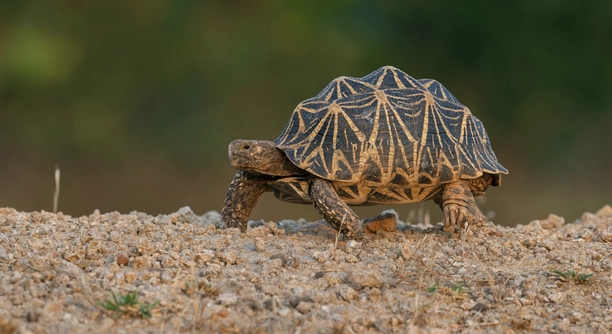
Is your turtle acting differently, hiding more often, or refusing to eat? Stress can affect turtles just like it does other pets, and identifying the cause can help improve their well-being and overall happiness.
Turtles experience stress due to improper habitat conditions, lack of hiding spots, loud noises, poor diet, or frequent handling. Changes in their environment, such as water temperature fluctuations or new tank mates, can also contribute to their discomfort and anxiety.
Understanding what triggers stress in turtles can help you create a more comfortable environment for them. From adjusting their habitat to monitoring their diet, small changes can make a big difference in their overall well-being.
Inadequate Habitat Conditions
A turtle’s habitat plays a huge role in its well-being. If the tank is too small, lacks proper lighting, or has poor water quality, stress levels can rise quickly. Turtles need enough space to swim and bask comfortably. Without a proper heat source, they may become sluggish and refuse to eat. Clean water is also essential, as dirty conditions can lead to infections and discomfort. Providing a basking area with the right temperature, along with UVB lighting, helps maintain their overall health. Ensuring the habitat mimics their natural environment as closely as possible is key to reducing stress.
A poor habitat setup can make a turtle feel unsafe and uneasy. When their basic needs are not met, they may hide for long periods or become less active. This can eventually lead to health issues if not addressed.
Making adjustments to their environment can help them feel more secure. Checking the tank size, ensuring the water is clean, and maintaining proper heating and lighting can prevent stress-related problems. A well-maintained habitat encourages normal behavior and keeps turtles feeling comfortable.
Frequent Handling
Handling turtles too often can cause stress. Unlike some pets, turtles do not enjoy frequent interaction and may feel threatened when picked up. Excessive handling can make them anxious and lead to defensive behaviors.
Turtles prefer a calm and predictable environment. Being handled too much can make them feel vulnerable, especially if they are not used to it. Some may retreat into their shells, while others may become agitated or try to escape. If a turtle is handled roughly or by someone unfamiliar, the stress can be even worse. Over time, excessive handling can impact their appetite and overall health. Limiting handling to necessary moments, like cleaning their habitat or health checks, helps reduce unnecessary stress. If handling is needed, it should be done gently and with care to avoid overwhelming them.
Loud Noises
Loud noises can make turtles feel unsafe. Sudden sounds like music, television, or frequent talking near their tank can cause stress. Vibrations from loud noises may also disturb them, leading to changes in behavior such as excessive hiding or a lack of appetite.
Turtles rely on a calm environment to feel secure. Consistent exposure to loud noises can make them more anxious over time. If their tank is placed in a high-traffic area with constant noise, they may struggle to rest properly. This can affect their overall health and make them less active. Moving their habitat to a quieter location, away from speakers or busy spaces, can help them feel more at ease. Even small adjustments, like lowering the volume of nearby devices, can make a difference in reducing stress levels.
Providing a sense of security is important. If loud noises are unavoidable, creating a barrier using plants, decorations, or a partial tank cover can help block some of the disturbances. Keeping interactions calm and avoiding sudden loud movements near the tank can also help turtles feel more relaxed. Observing their behavior after making changes can show whether the adjustments are effective.
Poor Diet
A poor diet can cause stress and health problems. Turtles need a balanced diet with the right mix of proteins, vegetables, and calcium. Feeding them the wrong food or not providing enough variety can lead to nutritional deficiencies, which may result in a lack of energy or unusual behavior.
Different species have different dietary needs. Some turtles need more protein when they are young, while others require more plant-based foods. A lack of essential nutrients can cause problems like weak shells, digestive issues, and sluggishness. Overfeeding can also be harmful, leading to obesity and other health concerns. Sticking to a proper feeding schedule and providing fresh, high-quality food helps keep turtles healthy. Calcium supplements and cuttlebone can support shell growth and prevent stress-related issues caused by malnutrition.
Feeding should be done in a calm environment. If turtles feel rushed or unsafe while eating, they may refuse food. Uneaten food should be removed quickly to keep the water clean. Watching their eating habits can help identify any problems early, ensuring they stay happy and healthy.
Sudden Changes in Environment
Turtles rely on routine and familiarity. Sudden changes, such as moving their tank, adjusting the water temperature too quickly, or introducing new decorations, can make them feel uneasy. Even small changes in their surroundings can cause stress and lead to unusual behaviors like excessive hiding or refusing food.
Switching to a new habitat or adding tank mates can also be overwhelming. Turtles need time to adjust to new conditions. Gradual changes, like slowly introducing new elements or maintaining consistent water conditions, help reduce stress. Providing familiar hiding spots and maintaining a stable routine can make transitions easier.
Incompatible Tank Mates
Turtles do not always get along with other animals. Aggressive tank mates can make them feel threatened, leading to stress and defensive behaviors. If a turtle is being bullied or chased, it may become less active, hide more often, or even refuse to eat.
Lack of Hiding Spots
Hiding spots help turtles feel safe. Without them, they may feel exposed and stressed. Adding plants, rocks, or caves allows them to retreat when needed. A comfortable and secure environment encourages natural behaviors and helps reduce stress-related issues.
FAQ
How can I tell if my turtle is stressed?
Signs of stress in turtles include excessive hiding, lack of appetite, sluggishness, and unusual behavior like swimming in circles or pacing. If your turtle starts avoiding food or seems more aggressive than usual, it might be a sign of stress. Changes in shell condition or abnormal breathing can also indicate stress-related health problems.
What should I do if my turtle is stressed?
First, evaluate the habitat conditions. Check the water temperature, lighting, and cleanliness of the tank. Ensure there’s enough space for your turtle to swim and bask comfortably. If handling or noise is causing stress, limit these factors. Giving your turtle time to adjust and reducing sudden changes can help them feel safer.
Can overfeeding stress my turtle?
Yes, overfeeding can lead to stress. If your turtle isn’t eating all of the food you provide, it can cause water quality issues and potential health problems. Overfeeding can also lead to obesity, making them feel sluggish and unhealthy. Stick to the recommended feeding schedule for your turtle’s specific species to maintain a healthy weight and reduce stress.
Why is my turtle not eating?
There are several reasons why your turtle might refuse food, including stress from changes in its environment, improper water conditions, or illness. It could also be due to overfeeding or an unbalanced diet. Ensure the water is clean and the temperature is right. A lack of interest in food can also be a sign of a more serious health problem, so monitoring your turtle’s overall behavior and consulting a vet might be necessary.
How often should I handle my turtle?
Turtles generally do not enjoy frequent handling, as it can make them feel stressed. Only handle your turtle when necessary, such as during tank cleaning or health checks. Limit physical contact to avoid overwhelming them. Some turtles may tolerate handling better than others, so always observe their reactions and respect their space.
Is it okay to keep multiple turtles together?
It depends on the species of turtles and their personalities. Some species are territorial and may become aggressive toward each other, leading to stress or injury. If you decide to keep multiple turtles, ensure there is enough space in the tank for each one to have its own area. Monitor their interactions and separate them if aggression occurs.
What temperature should my turtle’s tank be?
Most turtles require a warm environment to thrive. The water temperature should be between 75-80°F (24-27°C), and the basking area should be around 85-90°F (29-32°C). Having the proper temperature helps regulate their metabolism, digestion, and overall health. Keep a thermometer in the tank to monitor the conditions accurately.
Can I keep my turtle outside?
Turtles can live outdoors in the right conditions, but only if the climate is suitable for their species. A secure outdoor enclosure with proper shading, water, and basking areas is essential. Keep an eye on local weather conditions, as extreme temperatures can cause stress or even harm to your turtle. If it’s too cold or hot outside, it’s safer to keep your turtle indoors.
What do I do if my turtle has a shell injury?
If your turtle’s shell is injured, it’s important to keep it clean to avoid infection. Minor scratches or cracks can be treated by gently cleaning the area with warm water. If the injury is severe, seek professional veterinary care immediately to prevent complications. Never try to fix a broken shell without proper medical advice, as it can worsen the condition.
Can water quality cause stress to my turtle?
Yes, poor water quality can lead to stress and health problems for your turtle. Regular water changes are crucial for keeping the tank clean and free of harmful bacteria. Use a good filtration system to help maintain water quality. Always test the water’s pH, ammonia, and nitrate levels to ensure they are within safe ranges for your turtle.
Final Thoughts
Turtles are sensitive creatures that rely on their environment to stay healthy and happy. Stress can be caused by many factors, from inadequate habitat conditions to changes in their routine or diet. Keeping a stable environment with the right water temperature, lighting, and tank space is essential for their well-being. Additionally, providing them with proper food and a quiet, secure place to retreat when they need it will go a long way in reducing stress.
It’s important to be aware of the signs that your turtle may be stressed, such as a lack of appetite, hiding, or unusual behavior. By observing their habits closely, you can identify potential stressors and make adjustments. Simple changes, like reducing noise around the tank, offering hiding spots, or improving water quality, can help create a more peaceful environment for your turtle. The key is to ensure that they feel safe and comfortable in their space.
If stress continues despite your efforts, it may be necessary to consult a veterinarian who specializes in reptiles. They can provide expert advice on your turtle’s health and guide you on how to handle specific problems. Taking a proactive approach to stress management will help your turtle lead a healthier, more balanced life. Making small improvements over time can reduce stress and contribute to the overall happiness of your pet.

Hello,
If you enjoy the content that we create, please consider saying a "Thank You!" by leaving a tip.
Every little bit helps us continue crafting quality advice that supports the health, happiness, and well-being of pets around the world, for pets of all shapes, sizes, and species.
We really appreciate the kindness and support that you show us!