
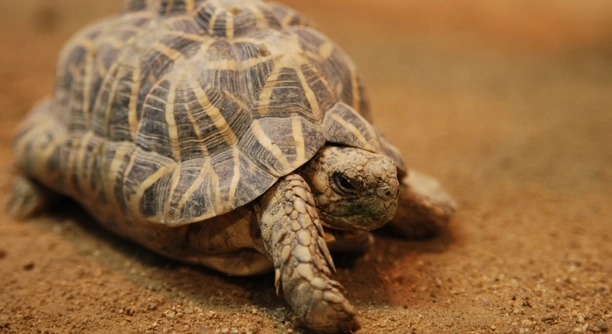
Turtles are fascinating creatures, but sometimes they struggle in the water. Whether it’s due to injury, illness, or something else, it’s important to know how to help them. Here’s a simple guide on what you can do.
To assist a turtle that is struggling to swim, provide a safe and shallow space, ensure proper water temperature, and check for any physical injuries. If needed, consult a veterinarian for further care and treatment.
Understanding what causes swimming difficulties in turtles can help you take the right steps. By following these tips, you’ll be able to support a struggling turtle effectively and with care.
Water Quality Matters
Turtles thrive in clean, well-maintained water. Poor water quality can lead to discomfort and make it harder for them to swim. If your turtle is struggling, it’s essential to check the water’s temperature, pH level, and cleanliness. The water should be between 75°F and 85°F for most species. If the water is too cold or dirty, your turtle may become sluggish and find it difficult to move around.
Keeping the water clean is simple with regular water changes and using a good filtration system. This helps maintain the health of your turtle’s environment, so they can swim with ease.
It’s also a good idea to remove any waste that might be in the water. Leftover food and debris can quickly cause water quality to drop. This makes it harder for your turtle to swim and can even affect its health. Regular maintenance keeps your turtle happy and healthy.
Look for Injuries
If your turtle is having trouble swimming, check for visible injuries. A wounded shell or limbs can make it hard for them to move.
Turtles can sometimes get injured when interacting with objects or other animals in their environment. They may scrape their shell or damage their limbs, which can affect their ability to swim properly. If you notice any signs of injury like swelling, redness, or unusual behavior, it’s essential to give your turtle the care it needs. You may need to create a quiet, safe space for recovery. If the injuries are serious, seeking advice from a veterinarian can prevent further harm and ensure that your turtle heals correctly. Proper care can help them recover and return to swimming normally.
Check for Underlying Health Issues
If your turtle is struggling to swim, it could be a sign of an underlying health issue, such as a respiratory infection or parasites. It’s crucial to observe their behavior closely. If they are lethargic, have difficulty breathing, or show other signs of illness, it’s best to seek veterinary care.
Turtles can hide symptoms of illness for a long time, so it’s important to be proactive. If you notice that your turtle isn’t eating, swimming erratically, or staying at the bottom of the tank, it may indicate a health problem. A veterinarian specializing in reptiles can perform tests to determine the exact issue and recommend treatment. With proper care, most health issues can be treated, and your turtle can return to its normal activity.
Many health problems in turtles, such as shell rot or respiratory infections, can affect their ability to swim. Prompt treatment is key to ensuring that the illness doesn’t progress. Keeping the tank clean and maintaining proper water temperature can also help prevent certain health issues in the future.
Provide Proper Nutrition
A turtle’s diet plays a big role in its overall health and swimming abilities. Ensure your turtle is getting a balanced diet with enough vitamins, minerals, and protein. Poor nutrition can lead to weakness and affect their ability to swim well.
In the wild, turtles eat a variety of foods that give them all the nutrients they need. When in captivity, it’s essential to offer a diet that mimics their natural food sources. This includes leafy greens, aquatic plants, and protein-rich food like insects or fish. Avoid feeding your turtle too much processed food, as it can lead to obesity and sluggishness.
If your turtle isn’t getting the right nutrients, it can lead to health problems like shell deformities or bone weakness. These issues can make it harder for them to swim. Providing a variety of fresh foods will not only help them maintain healthy weight but also ensure they have the energy to swim properly.
Ensure Proper Tank Size
A tank that is too small can restrict your turtle’s movement and make swimming difficult. Turtles need enough space to swim freely and exercise. If the tank is too cramped, it can cause stress and affect their health.
Make sure your turtle has a tank that is large enough for its species. A general rule is 10 gallons of water for each inch of shell length. The larger the tank, the more space your turtle will have to move around, helping to keep it healthy and active.
Maintain Water Temperature
Water temperature plays a huge role in your turtle’s ability to swim. If the water is too cold, your turtle may become sluggish. If it’s too hot, they may get stressed and weak. Aim for a consistent temperature that matches your turtle’s species needs.
A good water heater can help maintain the right temperature range for your turtle. Make sure it’s not too high or low, as fluctuating temperatures can cause discomfort and stress. Consistent, proper water temperature will help your turtle swim with ease and improve its overall well-being.
Avoid Overcrowding the Tank
Too many turtles or other tankmates can create an overcrowded environment that makes it hard for your turtle to move freely. This can lead to stress, poor health, and difficulty swimming.
If your tank has more than one turtle or multiple animals, ensure there is enough space for each one. Too many tankmates can also lead to territorial disputes, further limiting your turtle’s ability to swim. Keeping the number of inhabitants in check will provide a healthier, less stressful environment for your turtle.
FAQ
How do I know if my turtle is sick?
If your turtle is sick, you may notice changes in its behavior. Sick turtles often become lethargic, spend more time at the bottom of the tank, or swim erratically. They might also refuse to eat, have watery or swollen eyes, or show signs of respiratory distress like wheezing or open-mouthed breathing. If these symptoms appear, it’s important to consult a veterinarian who specializes in reptiles.
Can a turtle drown?
Yes, turtles can drown, but it’s rare. Most turtles can hold their breath for a long time and have the ability to swim back to the surface. However, if a turtle is sick, injured, or weak, it may struggle to resurface and could potentially drown. Ensuring that your turtle has easy access to a basking area and clean water will help prevent this from happening.
What temperature should my turtle’s water be?
The water temperature should be between 75°F and 85°F for most aquatic turtle species. If the water is too cold, it can slow down your turtle’s metabolism and make it harder for them to swim. Too hot, and it could cause stress or discomfort. A thermometer and heater are essential for maintaining the correct temperature.
Why is my turtle not swimming properly?
A turtle that isn’t swimming properly may be dealing with health problems, poor water quality, or injury. Check for signs of illness, like lethargy or respiratory issues. Also, ensure the water temperature and cleanliness are appropriate. Injuries or poor nutrition can also impact their swimming ability.
Can my turtle get tired from swimming?
Yes, turtles can get tired from swimming. Just like any animal, they need rest. Ensure your turtle has a place to rest, like a basking spot, where it can dry off and recharge. If your turtle seems unusually tired, make sure it isn’t overstressed or in poor health.
How long can a turtle stay underwater?
Turtles can stay underwater for a long time, but it depends on the species. Some turtles can hold their breath for up to 40 minutes, while others may only last for a few minutes. Most species need to come up for air regularly, and the length of time they can stay submerged depends on their activity level and water temperature.
What can I do if my turtle isn’t eating?
If your turtle isn’t eating, it could be due to water temperature, health issues, or stress. Check if the water temperature is within the ideal range. If your turtle is sick, it may need medical attention. Stress from overcrowded tanks or changes in the environment could also impact its appetite.
How do I clean my turtle’s tank?
Cleaning your turtle’s tank regularly is crucial for its health. Remove uneaten food daily to prevent water contamination. Perform partial water changes every 1-2 weeks and clean the tank substrate and decorations with reptile-safe cleaning products. A good filtration system will help maintain water quality.
Can my turtle live with fish in the same tank?
Turtles can live with fish, but there are a few considerations. Larger turtles may see smaller fish as food, so it’s important to choose compatible species. Additionally, fish might not enjoy the same water conditions that turtles need, so research the specific needs of both animals before housing them together.
Why is my turtle’s shell soft?
A soft shell in a turtle can indicate a calcium deficiency, improper diet, or poor lighting. Ensure your turtle is getting enough calcium through its diet, such as leafy greens, and supplementing with a calcium powder. UVB lighting is also important for shell health, as it helps the turtle absorb calcium.
How do I keep my turtle from becoming overweight?
To prevent your turtle from becoming overweight, make sure you’re feeding it the right amount of food and not overfeeding. Offer a balanced diet, with a variety of vegetables, aquatic plants, and protein. Avoid giving your turtle too many treats or high-fat foods, and ensure it gets enough exercise by providing space to swim.
What should I do if my turtle has a respiratory infection?
Respiratory infections in turtles are serious and require immediate attention. If you notice symptoms like wheezing, open-mouth breathing, or a runny nose, take your turtle to a reptile vet. The vet may prescribe antibiotics or other treatments. In the meantime, ensure the water temperature is ideal, as this can help support recovery.
How often should I feed my turtle?
How often you feed your turtle depends on its age and species. Hatchlings typically eat daily, while adult turtles usually eat every other day. Offer food in small portions to avoid overfeeding, and ensure that the food is fresh and appropriate for your turtle’s dietary needs.
Is UVB lighting important for my turtle?
Yes, UVB lighting is crucial for your turtle’s health. UVB rays help turtles produce vitamin D3, which is needed for calcium absorption. Without proper UVB exposure, turtles can develop metabolic bone disease and other health issues. Ensure your turtle has access to UVB light for 10-12 hours a day.
Final Thoughts
Taking care of a turtle that’s struggling to swim involves more than just offering food and water. It’s important to monitor their environment carefully. This includes checking the water quality, temperature, and ensuring they have enough space to swim comfortably. If your turtle is having trouble moving in the water, it may be due to health problems, poor tank conditions, or injury. By addressing these factors, you can help your turtle get back to swimming and living a healthy life.
Another key element is providing the right nutrition. A well-balanced diet is essential for your turtle’s health and energy. Make sure they are getting the proper vitamins, minerals, and protein. Without the right nutrients, your turtle may become weak, making it harder for them to swim or even move around the tank. Be sure to research what foods are best for your turtle’s species and age to keep them strong and active. Avoid overfeeding, as this can lead to obesity, which can also impact their ability to swim properly.
Finally, if you’ve done everything you can to create a safe and healthy environment for your turtle and they are still struggling to swim, it may be time to consult a veterinarian. A vet who specializes in reptiles can diagnose any underlying health issues that may be affecting your turtle’s swimming ability. Health problems, such as respiratory infections or shell issues, can make it difficult for a turtle to swim properly. With proper care and treatment, many turtles can recover and return to swimming and living normally. Remember, taking care of a turtle requires attention, patience, and understanding of their specific needs.

Hello,
If you enjoy the content that we create, please consider saying a "Thank You!" by leaving a tip.
Every little bit helps us continue crafting quality advice that supports the health, happiness, and well-being of pets around the world, for pets of all shapes, sizes, and species.
We really appreciate the kindness and support that you show us!