
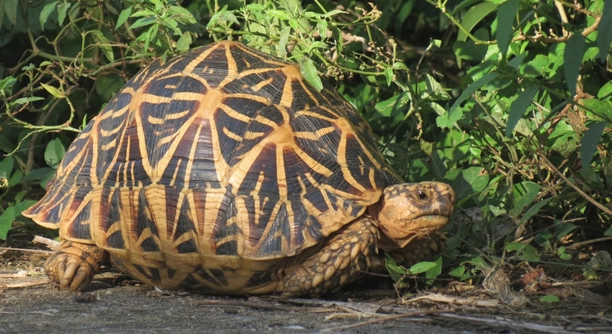
Turtles are wonderful pets, but caring for them properly is essential. If you notice soft patches developing on your turtle’s shell, it’s a cause for concern that should be addressed immediately for its well-being.
The development of soft patches on a turtle’s shell typically indicates poor nutrition, inadequate UVB exposure, or underlying health issues. These factors weaken the shell, making it vulnerable to deformities or infections, which can lead to long-term harm.
This article will explore the possible reasons behind this issue and guide you through the steps to help your turtle recover. Knowing how to properly care for your turtle’s shell is essential for its overall health.
Causes of Soft Patches on Your Turtle’s Shell
Soft patches on a turtle’s shell usually arise from a few main causes. Poor diet, especially one lacking essential nutrients, is a common issue. A turtle needs calcium, vitamin D3, and other vitamins to maintain shell health. Without these, the shell can soften and become vulnerable. Another important factor is the lack of proper UVB light exposure. UVB rays help turtles metabolize calcium, and without them, their shells may weaken. Improper habitat conditions, such as low temperatures or humidity, can also play a role in shell health. If your turtle’s environment doesn’t mimic its natural habitat, its shell might not develop correctly.
When turtles don’t get the right care, their shells are the first things to show signs of stress. If you’re noticing soft spots, it’s important to take quick action to avoid further damage.
To help prevent this, ensure your turtle is getting a balanced diet and is exposed to proper UVB light. Adjust its environment if necessary and monitor its health regularly for any changes.
Nutritional Deficiencies
A poor diet is one of the main reasons for soft patches on a turtle’s shell. Calcium is especially important for strong shell development, and a lack of it can result in weak, soft areas. Turtles also need vitamins like D3 to absorb calcium. Without these nutrients, their shells can become soft and brittle.
To provide proper nutrition, feed your turtle a variety of foods such as dark leafy greens, calcium-rich vegetables, and commercial pellets designed for turtles. You can also offer cuttlebone or calcium supplements to support shell health. It’s important to offer a balanced diet to avoid deficiencies that could lead to shell problems.
A diet that lacks variety and essential nutrients won’t support a turtle’s shell structure. Make sure to avoid overfeeding high-protein foods, which can lead to imbalances. Regularly evaluate your turtle’s diet to ensure it’s meeting all its nutritional needs and supporting its overall health.
UVB Lighting and Shell Health
UVB lighting plays a crucial role in keeping your turtle’s shell strong. It helps them process calcium, which is vital for shell development. Without proper UVB exposure, a turtle’s body won’t be able to absorb calcium correctly, leading to soft patches and shell deformities.
Place a UVB light above your turtle’s basking area. Make sure it’s the correct type of light and positioned at the right distance. The light should be on for 10 to 12 hours a day, and the bulb should be replaced every 6 to 12 months since it loses effectiveness over time.
If your turtle isn’t getting enough natural sunlight, UVB lighting is a must. Lack of UVB can cause bone and shell issues, including soft spots. Providing adequate UVB light will support healthy shell growth and prevent potential problems from developing.
Habitat and Environmental Conditions
If your turtle’s habitat isn’t properly set up, it can affect its shell. Incorrect temperature or humidity levels can stress the turtle’s body, making it harder to maintain a healthy shell. Turtles need warmth to digest their food properly and humidity to keep their skin and shells in good condition.
Make sure your turtle’s tank has a basking spot with temperatures around 85-90°F and a cooler area around 75°F. Keep humidity levels around 50-70% to mimic their natural environment. A proper setup supports overall health, helping prevent issues like soft patches from developing on the shell.
Maintaining a consistent environment is key to your turtle’s well-being. Avoid drastic temperature fluctuations and keep the habitat clean. A healthy environment encourages good shell development, while improper conditions can contribute to shell issues and other health concerns.
Shell Injury or Infection
Infections or injuries can also cause soft patches on a turtle’s shell. If the turtle experiences trauma, the shell may become vulnerable and more likely to develop soft areas. Bacterial or fungal infections can also weaken the shell, leading to deformities.
Infected shells might show visible signs like discoloration, swelling, or soft spots. If you suspect an infection, it’s important to consult a veterinarian immediately. They may recommend topical treatments or antibiotics to help combat the infection. Proper wound care can also prevent further damage to the shell.
FAQ
What should I do if my turtle’s shell has soft patches?
If you notice soft patches on your turtle’s shell, the first step is to assess its environment. Ensure the temperature and humidity are correct. Check if your turtle is getting enough UVB light and eating a balanced diet rich in calcium and vitamins. If you suspect any underlying health issues, it’s best to consult a veterinarian who specializes in reptiles.
Can soft patches on a turtle’s shell heal on their own?
Soft patches may improve with the right changes in diet, lighting, and habitat, but they won’t always heal on their own if the root cause isn’t addressed. If the soft patches are a result of nutritional deficiencies or poor living conditions, making the necessary adjustments may help restore the shell. However, if the issue persists or worsens, professional veterinary care might be necessary.
How long does it take for a turtle’s shell to heal?
The healing time for a turtle’s shell depends on the cause and severity of the issue. If it’s due to poor nutrition or lighting, it may take a few weeks to months for improvements to be visible. Recovery from infection or injury could take longer, and proper care is essential during this time.
What is the best diet to prevent soft shell patches in turtles?
To prevent soft shell patches, provide your turtle with a diet that includes calcium-rich foods like dark leafy greens (e.g., kale, collard greens), and vegetables such as carrots and squash. Commercial turtle pellets often contain added calcium. Additionally, offering cuttlebone or calcium supplements can help ensure your turtle is getting the proper nutrients. Avoid overfeeding high-protein foods like insects, as this can create an imbalance.
How can I make sure my turtle gets enough UVB light?
To ensure your turtle gets the right amount of UVB light, place a UVB bulb above the basking area of the tank. The bulb should be positioned around 6-12 inches from the basking spot, depending on the strength of the bulb. Keep the light on for 10-12 hours a day. Replace the bulb every 6-12 months, even if it still lights up, as it can lose its effectiveness. If possible, allow your turtle to bask in natural sunlight, as this is the best source of UVB.
Is it okay to use heat lamps instead of UVB lights for my turtle?
Heat lamps provide warmth, but they do not provide the necessary UVB rays for your turtle’s health. While heat lamps are essential for creating a proper basking temperature, UVB light is needed for calcium absorption and shell development. You should use both a heat lamp and a UVB bulb to support your turtle’s needs.
Can soft shell patches be a sign of a serious health problem?
Yes, soft patches can be a sign of a serious health problem, especially if they are due to bacterial or fungal infections. If the shell becomes infected, it can lead to severe damage, affecting the turtle’s overall health. It’s crucial to seek veterinary advice if soft patches are accompanied by swelling, foul odor, or significant changes in the shell’s appearance.
What are some signs of a bacterial or fungal infection in a turtle?
Signs of a bacterial or fungal infection include discoloration, softening, swelling, or foul-smelling areas on the shell. You may also notice the turtle acting lethargic, having trouble eating, or showing abnormal behavior. If you suspect an infection, it’s important to act quickly and seek veterinary care to prevent further complications.
Can I treat soft patches on my turtle’s shell at home?
While some soft patches due to poor nutrition or habitat can improve with proper care, treating soft patches from infections or injuries should not be done at home without proper guidance. Infected or injured shells require medical attention from a reptile vet, who can provide the right treatment.
Should I take my turtle to the vet if it has soft shell patches?
If you notice soft patches on your turtle’s shell and they don’t improve with changes to diet, lighting, or habitat, it’s a good idea to consult a vet. A reptile veterinarian can determine the underlying cause of the soft patches and provide the appropriate treatment, especially if it’s due to an infection or injury.
How can I prevent soft shell patches in the future?
Preventing soft shell patches involves maintaining the proper environment for your turtle. Ensure the tank has the right temperature, humidity, and UVB lighting. Feed a balanced diet with adequate calcium and vitamins. Regularly check on your turtle’s health to ensure any potential issues are caught early. Proper habitat setup and nutrition are key to keeping your turtle healthy.
Final Thoughts
Taking care of your turtle’s shell is essential for its overall health. Soft patches on the shell can be a sign that something is off with your turtle’s environment or diet. In most cases, these soft patches can be prevented or improved with some simple adjustments, such as providing proper lighting, maintaining the right temperature and humidity, and offering a well-balanced diet. Calcium and vitamin D3 are especially important for your turtle’s shell health, so make sure they’re part of your turtle’s regular meals. Keeping a close eye on the condition of the shell is important, as it can show early signs of problems.
If the soft patches don’t improve after making these changes, it could be a sign of a more serious issue. For example, infections or injuries can cause the shell to soften, and these should be addressed by a vet. Don’t hesitate to seek professional help if you notice other symptoms, like swelling, discoloration, or foul smells. A vet specializing in reptiles can help diagnose the cause of the problem and provide treatment to prevent further damage. In some cases, infection or injury might require antibiotics or topical treatments, which can only be prescribed by a professional.
In the end, the health of your turtle’s shell reflects how well you are meeting its needs. Regular check-ups on its diet, habitat, and overall care will help ensure it stays healthy and strong. If you’re unsure about any aspect of your turtle’s care, don’t hesitate to do some research or ask a vet. Prevention is key, but if you catch a problem early, it’s often easier to address. With the right care, your turtle can live a long, healthy life with a beautiful, strong shell.

Hello,
If you enjoy the content that we create, please consider saying a "Thank You!" by leaving a tip.
Every little bit helps us continue crafting quality advice that supports the health, happiness, and well-being of pets around the world, for pets of all shapes, sizes, and species.
We really appreciate the kindness and support that you show us!