
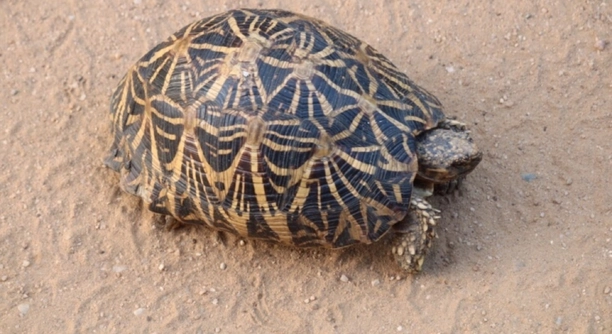
Turtles are fascinating creatures that enjoy basking, but sometimes they refuse to do so. If you’ve noticed your turtle avoiding its favorite sunning spot, it may be due to a variety of reasons.
Turtles may refuse to bask for various reasons, including environmental factors like temperature and lighting, discomfort, or health issues. Stress from improper tank conditions or changes in their routine can also discourage them from basking regularly.
Understanding these causes can help you improve your turtle’s environment and encourage more consistent basking habits. Keep reading to find out more.
Temperature Issues
A turtle’s basking behavior can be significantly affected by temperature. If the basking area is too hot or too cold, your turtle may avoid it altogether. A basking spot that’s too hot can cause stress, while a spot that’s too cool will fail to provide the warmth needed for digestion and overall health. Ideally, the basking area should range between 85°F and 95°F (29°C to 35°C) for most species. Any significant deviation can cause discomfort and discourage basking.
Checking and adjusting the temperature regularly ensures a safe and comfortable basking spot.
To maintain the ideal basking temperature, consider using a reliable thermometer and heat lamp. A properly regulated temperature ensures your turtle can bask comfortably, helping it stay healthy and active. If the basking area is too cold, the turtle will not bask, which may lead to poor digestion and a weakened immune system. Conversely, too much heat can cause dehydration and stress. Monitoring these factors helps you provide the best environment possible for your turtle’s needs.
Poor Lighting
Turtles require specific lighting conditions to regulate their body clock and promote healthy basking habits. If the UVB light is weak or not present, it can discourage basking. The UVB light helps turtles synthesize vitamin D3, essential for calcium absorption and bone health. Without proper lighting, your turtle may not feel the need to bask at all.
UVB lights should be replaced every 6 to 12 months to ensure they continue providing the necessary benefits.
If the UVB light isn’t strong enough or too far from your turtle’s basking area, it can lead to a lack of energy and reluctance to bask. Proper UVB lighting can help turtles absorb calcium from their diet, keeping them healthy and active. In addition to UVB light, a heat lamp should also be placed near the basking spot, giving your turtle the necessary warmth. The combination of UVB light and warmth creates the perfect environment for basking.
Stress from Environmental Changes
Turtles can be very sensitive to changes in their environment, and even small adjustments can cause stress. A sudden change in water quality, new tankmates, or moving their habitat can make your turtle feel uneasy, leading it to refuse basking.
Turtles thrive in a stable, familiar environment. Any sudden alterations can trigger stress responses, and one of the first signs may be a refusal to bask. It can take some time for a turtle to adjust to new conditions, and during that period, it may become less active. If the environment is constantly changing, your turtle may avoid basking altogether, as it seeks refuge from the discomfort caused by these stressors.
To minimize stress, try to maintain consistency in your turtle’s habitat. Avoid making drastic changes and monitor factors such as water quality, temperature, and the presence of other animals. If you need to move your turtle, do it gradually. A calm, stable environment will encourage more natural basking behavior and improve its overall well-being.
Illness or Injury
A turtle that refuses to bask may be dealing with an underlying health issue. Illnesses or injuries can make basking uncomfortable, especially if the turtle is in pain or feeling weak. It’s important to observe your turtle for any signs of sickness.
Common signs that your turtle may be sick include a lack of appetite, swollen limbs, difficulty moving, or lethargy. If the turtle is injured, it might avoid basking because it associates the spot with discomfort. For instance, if it has shell damage or skin abrasions, it might feel more comfortable staying in the water or hiding to avoid direct sunlight.
If you notice any concerning behavior, it’s essential to take your turtle to a vet who specializes in reptiles. A proper diagnosis can help you address the health issue and ensure your turtle receives the care it needs. Providing a safe and comfortable environment, along with proper medical attention, will encourage your turtle to resume basking once it feels better.
Poor Tank Setup
A poorly set up tank can discourage basking. If the basking area is too small or difficult to access, your turtle may avoid it. Ensure the space is spacious enough for your turtle to move comfortably.
Turtles need a clean, dry space to bask properly. If there are obstacles or the surface is not flat, they might refuse to climb onto it. You should also avoid overcrowding the tank with decorations or other creatures that might block the basking spot. The tank should be spacious enough for your turtle to feel secure and comfortable while basking.
The water and basking areas should be separated to allow your turtle to dry off completely while soaking up heat and UV light. A proper basking platform should be sturdy, easy to climb, and large enough for your turtle to rest on without feeling cramped. A poorly designed setup can lead to a stressed turtle, discouraging it from basking altogether.
Overcrowding in the Tank
Overcrowding in a turtle tank can lead to increased stress and competition for basking space. If there are too many turtles or other animals in the same tank, they might fight or feel cramped, preventing proper basking behavior.
Turtles require personal space to feel secure while basking. When there are too many animals, they may be too stressed or anxious to bask properly. They might try to avoid confrontation by staying submerged or hiding in darker areas of the tank. This can disrupt their normal basking routine, causing them to neglect it altogether.
If you have multiple turtles, consider separating them into different tanks if possible. Ensuring each turtle has enough space to relax and bask without competition will help encourage healthier behaviors. A calm, peaceful environment promotes basking and overall well-being for your turtles.
Why is my turtle not basking even though the temperature is correct?
If your turtle’s basking spot has the right temperature but it’s still not basking, other factors might be at play. Environmental stress or changes, such as moving the tank or adding new tankmates, can cause your turtle to feel insecure. Illness or injury could also be the cause, as sick or hurt turtles may avoid basking because it’s uncomfortable. Additionally, lighting might not be as effective as it should be, especially if the UVB light is not strong enough or is too far from the basking area. Check the water quality and ensure your turtle has a stress-free environment to promote basking.
How long should my turtle bask each day?
Turtles typically need between 8 to 12 hours of basking time per day, depending on the species. The ideal duration will depend on the type of turtle you have. For example, aquatic turtles require less basking time compared to land turtles. A regular basking period helps your turtle regulate its temperature and aids in digestion. It also promotes healthy shell growth and vitamin D3 production through exposure to UVB light. Ensure that your turtle has access to its basking spot throughout the day to allow it to bask whenever it feels necessary.
Can my turtle bask too much?
While basking is essential for a turtle’s health, too much time spent basking can cause dehydration or sunburn if they are exposed to direct heat for prolonged periods. Overheating can also be a concern, especially if the basking spot is too hot. It’s important to monitor the temperature of the basking area to prevent your turtle from getting overheated. A balanced routine, with alternating basking and cooling off in the water, is ideal. If you notice signs of dehydration, such as a sunken shell or lethargy, it may be a sign your turtle is basking too much.
Can I force my turtle to bask?
No, it’s not recommended to force your turtle to bask. Turtles naturally enjoy basking when they feel comfortable and safe. Forcing them into the basking area can cause unnecessary stress, which may further discourage basking. Instead, create an environment that encourages basking, such as providing a clean, spacious tank with proper temperature and lighting. Be patient and allow your turtle to adjust at its own pace. If your turtle refuses to bask for an extended period, it might indicate that something is wrong with its environment or health.
How can I encourage my turtle to bask more?
If your turtle is not basking enough, check for common issues like temperature, lighting, tank setup, or stress. Ensure the basking area is the right temperature and has proper UVB lighting. You can also try making the basking spot more appealing by adding a ramp or platform that’s easy to climb. Avoid overcrowding the tank and ensure there’s no competition for basking space. A clean tank with stable conditions can make a turtle feel more comfortable and encourage basking. If your turtle continues to avoid basking, a visit to a vet may be necessary to rule out health problems.
What should I do if my turtle’s shell looks soft?
A soft shell in a turtle is often a sign of calcium deficiency, which can happen when they are not basking properly or not getting enough UVB light. Calcium is essential for a turtle’s shell and bone health. If you notice a soft shell, it’s important to address the lighting and diet immediately. Ensure your turtle has access to strong UVB light, and provide a balanced diet that includes calcium-rich foods like leafy greens or calcium supplements. If the problem persists, consult a reptile vet to ensure your turtle is getting the proper care it needs.
Can I use a regular lamp for my turtle’s basking area?
No, you should not use a regular lamp for your turtle’s basking area. Regular lamps do not provide the necessary UVB rays that turtles need for proper calcium absorption and shell health. A specific UVB bulb designed for reptiles is essential for your turtle’s well-being. In addition to UVB light, you’ll also need a heat lamp to provide the warmth required for basking. Ensure that the UVB light is placed in a way that allows your turtle to get enough exposure, typically within 12 inches of the basking spot.
Why is my turtle spending too much time underwater and avoiding the basking area?
If your turtle is spending more time underwater than usual, it could be due to various factors. It might be a sign of stress, illness, or discomfort in the basking area. Check if the basking spot is too hot or too cold, or if the UVB light is not strong enough. Additionally, consider whether the water quality is poor, as dirty water can discourage basking. If the turtle is sick, injured, or feeling unwell, it may avoid basking as a result. Make sure the environment is conducive to basking and check for any health issues.
Can baby turtles bask?
Yes, baby turtles need to bask just like adult turtles. In fact, basking is even more important for baby turtles to help them develop a healthy shell and proper calcium absorption. However, their basking area should be carefully adjusted to ensure it’s not too hot for their smaller size. Use a low wattage heat bulb for the basking spot and ensure that the temperature doesn’t exceed 95°F (35°C). Baby turtles also need proper UVB light to support their growth and development. Make sure the basking area is accessible and comfortable for them.
Should I be concerned if my turtle isn’t basking every day?
It’s normal for turtles to occasionally skip basking, especially if they’re not feeling well or if the environment isn’t ideal. However, if your turtle consistently refuses to bask or if there are other signs of distress, such as lethargy or a lack of appetite, it could be a cause for concern. It may indicate stress, improper tank conditions, or health issues. Regular basking is important for a turtle’s overall health, so if your turtle is consistently avoiding it, consider evaluating the tank setup, lighting, temperature, and any potential health problems.
Turtles are fascinating creatures, and their basking habits are crucial for their overall health and well-being. Basking helps them regulate their body temperature, digest food, and absorb essential UVB light for calcium production. If your turtle refuses to bask, it could be due to several factors, such as improper tank conditions, stress, or even health issues. Understanding the reasons behind their refusal to bask will help you create a better environment for your pet. It’s essential to ensure that the basking area is set up properly, with the right temperature, UVB lighting, and easy access for your turtle.
If you find that your turtle is avoiding the basking spot, make sure to check the basics first. Ensure the temperature is within the ideal range for your species and that the UVB light is strong enough. Turtles can be very sensitive to their surroundings, so a sudden change in their environment might cause stress, which could lead to them avoiding basking. Take note of their behavior and try to identify any stressors, such as tank overcrowding, tankmates, or poor water quality. A consistent and stable environment is key to encouraging your turtle to bask regularly.
In some cases, the refusal to bask could be a sign of an underlying health issue. If the behavior persists or you notice other symptoms such as a lack of appetite or lethargy, it’s best to consult a veterinarian who specializes in reptiles. Keeping a close eye on your turtle’s overall behavior and health will help you spot any problems early. By ensuring the right tank conditions and providing proper care, you can encourage your turtle to bask regularly, leading to a healthier and happier pet.

Hello,
If you enjoy the content that we create, please consider saying a "Thank You!" by leaving a tip.
Every little bit helps us continue crafting quality advice that supports the health, happiness, and well-being of pets around the world, for pets of all shapes, sizes, and species.
We really appreciate the kindness and support that you show us!