
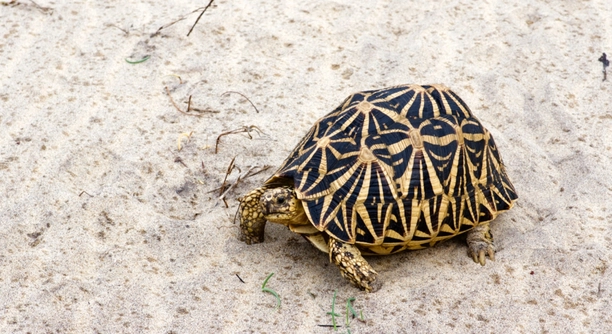
Turtles are fascinating pets, but sometimes they display unusual behavior, such as excessive blinking. This can leave owners feeling concerned and wondering what it might mean for their turtle’s health.
Excessive blinking in turtles can occur due to various factors, such as irritation, stress, or an underlying health issue. It is essential to observe your turtle’s overall behavior and environment to determine the cause and address it effectively.
Understanding the reasons behind your turtle’s blinking can help you ensure its well-being. We will explore possible causes and offer tips on how to support your turtle in maintaining good health.
Potential Causes of Excessive Blinking in Turtles
Excessive blinking in turtles can be linked to several factors, including environmental issues, stress, or health problems. It’s important to observe your turtle’s surroundings to determine whether the blinking is caused by something external, like poor water quality or lighting. Sometimes, blinking can also indicate that your turtle is feeling anxious or threatened. Over time, excessive blinking may lead to further eye irritation or damage if left unchecked.
If your turtle is blinking frequently, check the water temperature and quality first. Turtles are sensitive to their environment, and changes in their habitat can affect their behavior. Unclean water or improper temperatures could be making your turtle uncomfortable. You should clean the tank regularly and ensure the temperature is within the right range for your species of turtle.
If environmental adjustments do not help, it could be time to examine your turtle more closely for signs of other health concerns, like eye infections or injury. Even slight issues like dryness or small scratches can cause your turtle to blink more than usual.
Stress or Anxiety Leading to Blinking
Stress can play a major role in how your turtle behaves, including its blinking patterns. Turtles may blink excessively when they feel threatened or anxious. New surroundings, handling, or even the presence of other pets can cause these responses.
A stressed turtle will often blink quickly or repeatedly, trying to cope with what it sees as a threat. Keeping the turtle’s habitat calm and quiet can help reduce stress. Avoid sudden changes in their environment, such as moving them to a different location or introducing new animals too quickly. If your turtle feels safe and secure, its blinking may decrease over time.
Eye Infections and Irritations
If your turtle’s blinking is excessive, it may be dealing with an eye infection or irritation. Swollen or cloudy eyes, along with persistent blinking, can indicate this. Sometimes debris or bacteria can get trapped in the eyes, causing discomfort.
Eye infections often require medical attention, especially if the symptoms worsen. If your turtle’s eyes look red or swollen, or if it’s rubbing its face against objects in the tank, this could be a sign of infection. Make sure the water is clean and the turtle’s habitat is free from sharp objects that could cause injury.
If you notice mucus or discharge around the eyes, it’s time to consult a vet. An untreated infection can lead to long-term damage, so addressing the issue early is important. Keeping a close eye on the situation will help you make the right decision for your turtle’s health.
Dry Eyes or Dehydration
Dehydration or dry conditions in the tank can lead to excessive blinking. Turtles rely on moisture to keep their eyes properly lubricated. When the air or water in their environment is too dry, their eyes may become irritated.
Ensure the humidity and temperature levels are appropriate for your turtle’s species. A low humidity level or insufficient water temperature can dry out their eyes, causing blinking as a way to relieve the discomfort. In some cases, providing a more humid environment or offering access to fresh, clean water will help soothe the irritation.
If the blinking continues despite correcting these conditions, you might need to consider other potential causes, such as a more serious eye problem. Keeping the environment stable is key to avoiding dehydration.
Poor Water Quality
Dirty or contaminated water can irritate your turtle’s eyes and lead to excessive blinking. When water quality isn’t maintained, harmful bacteria or toxins can cause discomfort. Regular water changes and cleaning the tank are essential for your turtle’s health.
Make sure the water is filtered and changed regularly. Turtles are sensitive to pollutants in the water, and unclean conditions can cause a variety of health issues, including eye problems. Using a good filtration system and testing water parameters will help maintain a healthier environment. Turtles thrive in clean, stable water, which reduces the risk of eye irritation and blinking.
Environmental Factors
External factors such as bright lights, loud noises, or a crowded tank can stress your turtle and lead to blinking. It’s important to create a peaceful environment for your turtle to thrive.
Too much light or sudden changes in the tank’s lighting can disturb your turtle. Bright artificial lights may cause eye discomfort, leading to blinking. Try adjusting the lighting to avoid overstimulation, and make sure it’s not too harsh for your turtle’s sensitive eyes.
FAQ
What are the signs of an eye infection in turtles?
Turtles with an eye infection often show signs like swollen or cloudy eyes, excessive blinking, and discharge. If your turtle is rubbing its face against objects or having trouble opening its eyes, it might be dealing with an infection. These signs can worsen if not treated.
How can I prevent eye infections in my turtle?
To prevent eye infections, maintain clean water and a proper habitat. Regularly change the water in the tank and ensure the water temperature is correct for your turtle’s species. Avoid sharp objects that might injure your turtle’s eyes. Also, make sure there’s no debris in the water that could irritate its eyes.
How often should I clean my turtle’s tank?
Your turtle’s tank should be cleaned thoroughly at least once a week. This includes changing a portion of the water, cleaning the filter, and removing any debris from the tank. The more active your turtle is, the more frequently the tank may need cleaning to keep it in optimal condition.
Can stress cause my turtle to blink excessively?
Yes, stress is a common cause of excessive blinking in turtles. Turtles may blink more when they are feeling anxious or threatened. This could be from changes in their environment, being handled too often, or the presence of other pets. Creating a calm and stable environment will help reduce stress.
What can I do if my turtle’s blinking doesn’t stop?
If your turtle’s blinking continues after addressing potential causes like water quality, stress, or irritation, it’s time to consult a vet. Persistent blinking could indicate a more serious issue, such as an eye infection or injury. A vet can provide the proper treatment to ensure your turtle’s health.
Can dehydration lead to excessive blinking?
Yes, dehydration or dry conditions can lead to blinking. If the humidity or water temperature is too low in the tank, your turtle’s eyes may dry out and cause blinking as a response to irritation. Ensure your turtle has access to clean water and the humidity is at an appropriate level for its species.
How can I tell if my turtle has dry eyes?
Dry eyes in turtles can lead to excessive blinking, rubbing its face against objects, or squinting. If you notice these behaviors along with dry, dull-looking eyes, it may be a sign of dehydration or inadequate humidity. Ensuring a humid environment and proper water quality can help alleviate these symptoms.
What should I do if I notice eye discharge in my turtle?
Eye discharge can be a sign of an eye infection, so it’s important to address it right away. Clean the turtle’s tank and ensure the water quality is optimal. If the discharge doesn’t clear up or if the eyes appear swollen, consult a vet for proper treatment.
Is excessive blinking a sign that my turtle is sick?
Excessive blinking can be a sign of illness, particularly if combined with other symptoms like lack of appetite, lethargy, or changes in behavior. It could indicate an eye infection or stress. If blinking persists or worsens, it’s best to have your turtle examined by a vet to rule out any serious health concerns.
Can I use eye drops on my turtle?
Eye drops designed for reptiles can be used in some cases to treat eye irritation or infection. However, it’s important to consult with a vet before applying anything to your turtle’s eyes. The wrong treatment could cause more harm than good. A vet will recommend the best course of action.
How can I tell if my turtle is stressed?
Stressed turtles may display behaviors like excessive blinking, hiding, or pacing. They may also stop eating or become more aggressive. If your turtle’s environment is too noisy, bright, or unstable, it could be stressed. Reducing disturbances and creating a calm tank environment can help alleviate these symptoms.
Can I add plants or other items to my turtle’s tank to help with stress?
Yes, adding plants or decorations to your turtle’s tank can help reduce stress. These items provide hiding spots, which can make your turtle feel more secure. Live plants also help improve water quality by absorbing excess nutrients, creating a healthier environment. Just make sure the decorations are safe for turtles.
What temperature should my turtle’s tank be to prevent excessive blinking?
The ideal water temperature for your turtle depends on its species. Generally, a range of 75-85°F (24-29°C) is suitable. Too hot or too cold water can cause stress and irritation, which might lead to excessive blinking. Use a thermometer to ensure your turtle’s habitat stays within the appropriate temperature range.
Is it normal for turtles to blink often?
It’s normal for turtles to blink occasionally, just like humans. However, excessive or repetitive blinking is not typical and could be a sign of an underlying issue. It’s important to observe any other symptoms that might accompany the blinking to determine if there’s a problem that needs attention.
Can turtles blink when they’re feeling threatened?
Yes, turtles may blink more frequently when they feel threatened or scared. Blinking is one way they may try to cope with stress or discomfort. If your turtle is in an environment with frequent disturbances or new animals, it may blink as a response to feeling unsafe.
Final Thoughts
Excessive blinking in turtles can be a sign of several factors, ranging from minor irritations to more serious health issues. It is important to consider the environment in which your turtle lives, including water quality, temperature, and humidity. Keeping the tank clean and ensuring the right conditions for your turtle’s species can go a long way in preventing problems like excessive blinking. Small changes, like cleaning the water more often or adjusting the temperature, can improve your turtle’s comfort and health.
However, blinking may not always be linked to environmental factors. Stress, injuries, or even eye infections can also cause your turtle to blink more than usual. If you notice other symptoms, such as redness in the eyes, swelling, discharge, or changes in behavior, it’s a good idea to seek advice from a vet. Early detection of an eye infection or any other health problem can prevent more serious complications in the future. Your turtle’s overall well-being relies on timely care and a close eye on any unusual signs.
Finally, while occasional blinking is normal for turtles, excessive or constant blinking should not be ignored. Observing your turtle’s behavior closely, maintaining a clean environment, and addressing any potential health concerns promptly will help ensure that your turtle remains happy and healthy. If you’re unsure about what’s causing the blinking, don’t hesitate to consult a vet for professional guidance. By taking these steps, you’ll be helping your turtle live a more comfortable and stress-free life.

Hello,
If you enjoy the content that we create, please consider saying a "Thank You!" by leaving a tip.
Every little bit helps us continue crafting quality advice that supports the health, happiness, and well-being of pets around the world, for pets of all shapes, sizes, and species.
We really appreciate the kindness and support that you show us!