
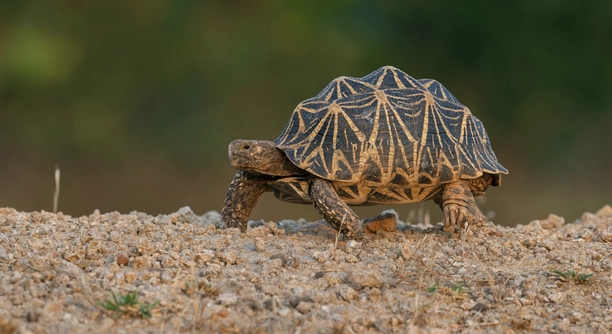
Heating lamps are essential for maintaining the right environment for turtles. They help ensure your pet gets the proper warmth it needs to thrive. Choosing the right lamp is crucial for their health and comfort.
The best heating lamps for turtles are those that provide consistent warmth and are designed for the specific needs of reptiles. The ideal lamp should be durable, efficient, and able to maintain the appropriate temperature for your turtle’s habitat.
Knowing what features to look for can help you pick the perfect lamp for your turtle’s tank. We’ll cover the key points to help you make an informed choice.
Why Heating Lamps Are Essential for Turtles
Turtles are cold-blooded, meaning they depend on external heat sources to regulate their body temperature. Without the right warmth, they can become sluggish or even ill. A heating lamp mimics the sun’s rays and helps your turtle stay active and healthy. It also plays a role in digestion and other bodily functions. Without consistent heat, your turtle may experience stress, poor appetite, or other health issues. Therefore, choosing the right heating lamp is essential for your pet’s well-being. Proper temperature control also supports their natural behaviors, like basking, which is vital for their overall happiness.
Proper heat distribution is important to replicate a natural environment. Turtles need a basking area where they can enjoy higher temperatures while still having cooler zones to retreat to when they need a break. With the right setup, your turtle will feel safe and comfortable in its enclosure.
When selecting a heating lamp, make sure it provides the correct temperature range for your turtle species. Too hot or too cold, and it may stress your pet, leading to other health problems.
Types of Heating Lamps for Turtles
Different types of heating lamps serve distinct purposes. Each type offers unique features that cater to various needs. The most common options are incandescent heat bulbs, ceramic heat emitters, and UVB bulbs. Each has its advantages, but the best choice depends on your turtle’s specific needs. Understanding these options can help you make the right decision.
Incandescent bulbs are widely used for heating because they offer consistent warmth and brightness. However, these are often paired with UVB bulbs for turtles that require a specific wavelength of light for vitamin D3 production. Ceramic heat emitters, on the other hand, provide heat without emitting visible light. This is useful if you want to keep your turtle’s environment darker during the night while still providing warmth. UVB bulbs are essential for providing your turtle with the necessary UV rays that help with calcium absorption and overall health.
When selecting a heating lamp, ensure it matches your turtle’s specific habitat needs. For aquatic turtles, ensure the lamp is safe for humid environments, while land turtles may need higher heat levels.
Factors to Consider When Choosing a Heating Lamp
When selecting a heating lamp, always keep in mind the size of your turtle’s enclosure. The lamp needs to cover the entire basking area without overheating. Pay attention to wattage and the type of bulb to ensure it provides the right amount of warmth.
Size and wattage are key considerations. Too small of a lamp may not provide enough heat, while one that’s too powerful could make the area too hot, leading to stress. Make sure the lamp is suitable for the size of your turtle’s tank. For larger enclosures, a higher wattage may be necessary.
Consider the lamp’s lifespan as well. Some bulbs burn out quickly, requiring frequent replacements, while others are more durable and cost-effective over time. Durability, combined with the proper wattage, helps maintain a stable environment for your turtle. Choosing a long-lasting bulb reduces the hassle of frequent replacements and keeps your pet’s habitat comfortable.
Positioning the Heating Lamp in the Tank
The lamp should be positioned in a way that provides a temperature gradient. This allows your turtle to choose the temperature that’s most comfortable. Placing the lamp directly over the basking area is a good idea, but avoid having it too close to the tank.
Positioning the lamp too high can lead to insufficient heat in the basking area, while placing it too low could create dangerous hotspots. The ideal setup allows your turtle to move closer to or further away from the light, giving it the ability to regulate its body temperature. A thermometer is helpful for monitoring the temperature.
Ensure the lamp is positioned above the basking area, as this allows heat to radiate down naturally. Consider adding a reflector or dome to concentrate the heat in one area. Adjusting the height and angle can also make a significant difference in maintaining an optimal temperature range for your turtle.
Best Heating Lamp Brands for Turtles
Some of the most reliable heating lamp brands for turtles include Zoo Med, Exo Terra, and Fluker’s. These brands are known for producing durable and efficient lamps that cater specifically to reptile needs. They also provide a range of options to suit different species.
Zoo Med’s basking bulbs are widely used because of their strong heat output and long-lasting quality. Exo Terra’s heat emitters are another popular option, especially for tanks that need consistent warmth without extra light. Fluker’s also offers reliable heat lamps and UVB bulbs. These brands provide the right balance of heat and safety for your turtle’s environment.
The durability of these brands is often praised by pet owners. Their products are tested for high performance, ensuring that your turtle gets a consistent heat source. It’s worth considering the specific needs of your turtle when choosing from these trusted brands, as they offer a variety of lamps suited for different types of turtles.
Benefits of Ceramic Heat Emitters
Ceramic heat emitters are great for providing steady warmth without emitting light. This makes them ideal for nighttime heating when you want to maintain warmth without disturbing your turtle’s rest. They also work well in tanks with high humidity, like aquatic enclosures.
Because they don’t emit light, ceramic heat emitters allow your turtle to have a day-night cycle with minimal disruption. They are energy-efficient and provide consistent heat over time. Ceramic heaters also reduce the risk of overheating, making them a safe option for maintaining stable temperatures in your turtle’s habitat. These emitters are long-lasting and require little maintenance.
UVB Lighting for Turtles
UVB lighting is essential for your turtle’s health. It helps them produce vitamin D3, which is crucial for calcium absorption and bone health. Without adequate UVB light, turtles can suffer from metabolic bone disease.
Investing in a quality UVB bulb is just as important as selecting the right heat lamp. These bulbs should be replaced regularly, as their UVB output diminishes over time, even if the light is still working. Proper UVB exposure allows your turtle to metabolize calcium efficiently, which in turn supports their shell and overall health. Keep the UVB light on for about 10 to 12 hours each day to mimic natural sunlight.
FAQ
How do I know the right wattage for my turtle’s heating lamp?
The wattage depends on the size of your tank and the species of turtle. Generally, a 50-watt to 100-watt bulb is sufficient for smaller enclosures, while larger tanks may require higher wattage, such as 150 watts or more. Be sure to check the manufacturer’s recommendation based on your turtle’s needs. The wattage should allow the lamp to provide a consistent heat gradient, which helps your turtle regulate its temperature. If the lamp feels too hot when you test it, it may be too strong for your setup, causing an uncomfortable environment for your turtle.
Can I use a regular light bulb for heating my turtle’s tank?
Regular light bulbs are not recommended for heating turtles. They may not provide enough heat or be designed to work efficiently in a reptile habitat. Reptile-specific heat bulbs are designed to emit the proper type of heat needed for turtles. Using a regular bulb can result in an uneven temperature and could also pose a fire hazard if used improperly. Always opt for bulbs designed for reptiles to ensure your turtle stays safe and warm.
How long should I leave the heating lamp on for my turtle?
Heating lamps should be left on for about 10 to 12 hours a day, mimicking the natural sunlight cycle. This allows your turtle to have both a warm basking area during the day and a cooler period at night. During the nighttime, you can either turn off the heating lamp entirely or use a ceramic heat emitter that doesn’t produce visible light but still provides warmth. Consistency in light and heat is important for maintaining your turtle’s health, so it’s good to stick to a schedule.
Is it safe to use a heating lamp 24/7 for my turtle?
No, keeping a heating lamp on 24/7 is not ideal. Turtles need a day-night cycle to regulate their biological rhythms. Prolonged exposure to heat without a cooling period can stress your turtle. It can also disrupt their sleep patterns, which is important for their health. Instead, use a timer to automatically turn the lamp off and on, ensuring that your turtle gets the proper rest during the night. For nighttime heat, ceramic heat emitters are a good option as they don’t emit light but still provide warmth.
What should I do if my turtle is not basking under the heat lamp?
If your turtle is avoiding the basking area, it could be due to the temperature being too high or too low. Check the basking area temperature with a thermometer. It should be between 85°F to 90°F (29°C to 32°C) for most turtle species. If the temperature is correct and your turtle is still not basking, check if the bulb is positioned too high or too low, as this can affect the heat distribution. Turtles may also avoid basking if they feel stressed or unwell, so make sure the tank setup is comfortable and suitable for their species.
Do I need both a heating lamp and UVB light for my turtle?
Yes, most turtles require both a heating lamp and a UVB light. The heating lamp provides warmth, which is essential for your turtle’s digestion and overall health. UVB light, on the other hand, is crucial for vitamin D3 production, which helps with calcium absorption and prevents metabolic bone disease. If your turtle does not receive adequate UVB light, it could suffer from shell deformities and other health issues. Some heating lamps combine both heating and UVB functions, but if they don’t, you will need to provide both separately.
How can I monitor the temperature in my turtle’s tank?
You can monitor the temperature in your turtle’s tank using a reliable thermometer. Digital thermometers and probe thermometers are great options, allowing you to measure both the basking area and the cooler parts of the tank. Make sure you measure the basking area temperature regularly, as it should be maintained within the ideal range for your turtle. It’s also a good idea to use a thermometer with a humidity gauge, especially if you’re keeping aquatic turtles, as maintaining the right humidity level is equally important.
Can I use a dimmer switch with my turtle’s heating lamp?
Using a dimmer switch with a heating lamp is not recommended, as it may not regulate the temperature accurately and could cause overheating. Heating lamps should be able to provide consistent, stable heat, and a dimmer switch could alter the lamp’s heat output in unpredictable ways. Instead of a dimmer, it’s better to use a thermostat or timer to regulate the lamp’s on/off schedule and maintain the correct temperature range.
How often should I replace my turtle’s heating lamp?
Heating lamps should be replaced every 6 to 12 months, depending on the type of bulb and how frequently it’s used. Over time, the bulb’s heat output can decrease, affecting the temperature regulation in the tank. UVB bulbs should be replaced more often, typically every 6 months, as their UVB output diminishes with use, even if the light still works. Regularly checking the output of your bulbs ensures your turtle receives the correct amount of heat and UVB light for optimal health.
What happens if my turtle’s basking area is too hot?
If the basking area is too hot, your turtle can overheat, leading to stress, dehydration, or heatstroke. This can cause rapid breathing, lethargy, and even burns if the heat is intense. If your turtle seems uncomfortable or is trying to escape the basking area, reduce the heat or raise the lamp further away from the basking spot. Always monitor your turtle’s behavior and adjust the temperature as needed to keep them comfortable. Keep a thermometer on hand to ensure the temperature is in the proper range for your species.
Final Thoughts
Choosing the right heating lamp for your turtle is essential to keeping them healthy and comfortable. It’s important to consider factors like wattage, lamp type, and the size of your turtle’s enclosure when making your decision. The right lamp will provide consistent warmth, help regulate your turtle’s body temperature, and support natural behaviors like basking. Whether you choose an incandescent bulb, a ceramic heat emitter, or a UVB bulb, each plays a role in creating a suitable habitat for your pet.
Remember, turtles need both heat and UVB light to thrive. Without proper lighting, they can develop serious health issues, such as metabolic bone disease or shell deformities. Heating lamps help maintain the right temperature for digestion, activity, and overall well-being, while UVB lights ensure they can produce vitamin D3 for calcium absorption. By providing both, you’re helping your turtle stay active and healthy for years to come. Keeping a consistent day-night cycle and maintaining the proper temperature range is key to their overall comfort.
Finally, don’t forget about maintenance. Regularly check the temperature and replace your bulbs when necessary to ensure your turtle’s habitat stays optimal. Using a thermometer and a timer can help manage the lighting and heating effectively. A little effort goes a long way in ensuring your turtle has a safe and comfortable environment. By selecting the right heating lamp and properly managing your turtle’s habitat, you’ll give your pet the best chance at living a happy, healthy life.

Hello,
If you enjoy the content that we create, please consider saying a "Thank You!" by leaving a tip.
Every little bit helps us continue crafting quality advice that supports the health, happiness, and well-being of pets around the world, for pets of all shapes, sizes, and species.
We really appreciate the kindness and support that you show us!