
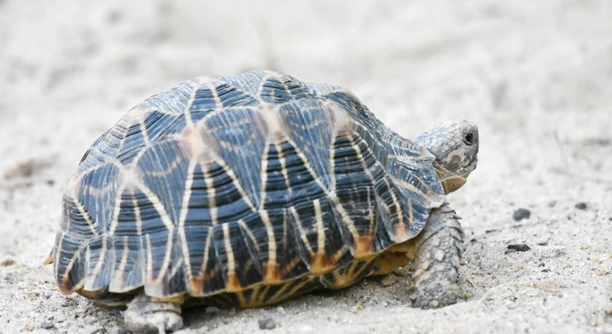
Turtles are unique pets that can sometimes seem slow or inactive. If you feel your turtle could benefit from more activity, there are some simple changes you can make to encourage its movement and engagement.
To promote a more active lifestyle for your turtle, offer a variety of enriching activities. Providing swimming space, stimulating toys, and different environments to explore can help motivate your turtle to move around and stay healthy.
In the following article, we will explore several easy ways to enhance your turtle’s activity level. These tips can help keep your turtle engaged and happy for years to come.
Provide Enough Space to Swim and Explore
Turtles are naturally active animals, and having enough space to swim and explore is key to keeping them engaged. A spacious tank or aquarium allows your turtle to move around freely, helping to keep them physically active. Make sure the tank is large enough to accommodate your turtle’s size and has an area where it can swim and another area where it can bask. If your turtle is confined in a small space, it may become lethargic and less motivated to move.
The more room your turtle has, the better it can exercise its muscles and maintain good health. Turtles also appreciate the ability to explore different textures, which keeps them mentally stimulated.
Consider adding a few safe, non-toxic plants and rocks in the tank. These additions can act as obstacles or hiding spots, encouraging your turtle to explore its environment more often. A variety of objects to climb or hide under mimics their natural habitat, making your turtle feel more at ease and encouraging activity. You can also adjust the tank layout every so often to keep things interesting.
Offer a Balanced Diet
A healthy diet plays a big role in your turtle’s energy level. When they are fed properly, turtles have the energy they need to be more active. Make sure to provide a balanced diet that includes leafy greens, protein, and occasionally, fruits.
Turtles benefit from having a varied diet. A range of foods keeps them interested in eating and can increase their overall energy levels. For example, you can include foods like crickets, worms, and shrimp alongside the greens. Proper nutrition helps your turtle stay strong and active.
Provide Opportunities for Sunbathing
Turtles love basking in the sun, and it’s important to provide a designated spot for them to soak up UV rays. This helps them maintain proper vitamin D levels, which are essential for bone health and overall activity. Make sure your turtle has a reliable basking area with a heat lamp if natural sunlight is limited.
A heat lamp or direct sunlight can make a significant difference in how active your turtle is. When your turtle basks, its body warms up, which boosts metabolism and encourages movement. A warm environment also helps your turtle digest food properly, ensuring it has enough energy throughout the day.
To create the perfect basking spot, use a smooth rock or platform that’s easily accessible. Ensure that the area is safe from water overflow and that the temperature stays consistent to avoid stress. A well-lit basking area will encourage your turtle to be more active and help maintain its health.
Keep the Water Clean
A clean water environment is crucial for your turtle’s well-being and activity. Dirty or polluted water can cause stress, make the turtle sluggish, and increase the risk of illness. Regular water changes and proper filtration are key to keeping things fresh and healthy.
Dirty water can negatively impact your turtle’s health, causing skin infections and other issues that may lead to a decrease in its activity. Make sure to clean the water at least once a week and check the filtration system regularly. Maintaining clean water helps keep your turtle comfortable, allowing it to remain active and happy.
You can also monitor the water temperature, as too hot or too cold water can cause your turtle to slow down or become stressed. A proper balance ensures your turtle feels safe and energetic. Regular cleaning and monitoring will give your turtle the right environment to thrive and stay active.
Create Enrichment Activities
Turtles enjoy having something to do. You can create enrichment activities like floating toys, ramps, or even small obstacles in their tank. These additions encourage movement and problem-solving. Regularly changing up the activities keeps your turtle entertained and active.
Objects like floating logs or diving rings can attract your turtle’s attention and inspire it to swim or climb. This can be a fun way to add variety to their environment and help prevent boredom. A few simple changes in their space can boost their energy levels and improve their overall health.
It’s important to make sure the items you add are safe for your turtle. Avoid anything with sharp edges or chemicals that could harm them. Focus on materials that encourage natural behaviors like swimming, climbing, or basking. With these small changes, your turtle can become more engaged and active.
Use a Suitable Tank Temperature
Temperature plays a major role in your turtle’s activity level. If the water is too cold, your turtle might become sluggish or refuse to move much. Keeping the water at the right temperature encourages normal behavior and keeps your turtle healthy.
Turtles are cold-blooded and rely on their environment to regulate their body temperature. If the water is too cold, your turtle will conserve energy and avoid activity. On the other hand, warm water helps promote circulation and activity, making it easier for your turtle to stay engaged and explore.
Offer Interaction Time
Turtles are social creatures and will often enjoy interacting with their owners. Offering time outside the tank or some gentle handling can give your turtle an opportunity to explore its surroundings. Make sure the area is safe and free from hazards.
FAQ
How do I know if my turtle is getting enough exercise?
You can tell if your turtle is getting enough exercise by observing its behavior. If it’s constantly staying in one spot, hiding, or showing little interest in moving, it may not be getting enough activity. Active turtles swim around, explore their environment, and bask regularly. You should also see your turtle climbing on rocks or moving between different areas of the tank. Regular movement is a good sign that your turtle is getting the exercise it needs. If you notice sluggishness, it may be time to adjust the environment or encourage more interaction.
What should I do if my turtle is not eating enough?
If your turtle is not eating enough, it can be a sign of stress or illness. First, check the water temperature, cleanliness, and basking areas to ensure the environment is optimal. Make sure the diet is varied and appropriate for the species, as turtles can sometimes get picky with food. Offer different types of food like insects, leafy greens, and protein-rich treats to see if your turtle shows interest. If the lack of appetite persists for several days, it’s best to consult a vet to rule out any health issues.
Is it okay to keep more than one turtle in the same tank?
Yes, it’s possible to keep multiple turtles in the same tank, but there are important things to consider. Turtles are territorial and may not always get along. If you decide to keep more than one, make sure the tank is large enough to give each turtle enough space to swim and bask comfortably. It’s also important to ensure the turtles are similar in size to avoid bullying. Monitor their behavior and make sure there are no signs of aggression. If needed, you can set up separate basking spots or water areas to reduce stress.
Can I let my turtle roam outside its tank?
Allowing your turtle to roam outside its tank can be a fun way to give it more space, but it’s important to create a safe environment. The area should be free from hazards like sharp objects or other pets that could harm the turtle. Also, ensure the temperature is appropriate for your turtle’s needs. You can create an enclosed play area where it can explore for short periods, but never leave your turtle unsupervised. This will give your turtle some variety in its routine while keeping it safe and healthy.
How often should I change the water in my turtle’s tank?
The water in your turtle’s tank should be changed at least once a week. However, if your turtle is particularly messy, or the tank has more than one turtle, you may need to change the water more frequently. Regular water changes help maintain a clean environment and prevent the build-up of harmful bacteria or toxins. Additionally, using a good filtration system can help extend the time between water changes. Always make sure the new water is the correct temperature and free of chlorine or other harmful chemicals.
What type of tank setup is best for my turtle?
The best tank setup for your turtle includes both water and basking areas. The water area should be deep enough for swimming, and there should be enough room for your turtle to move around freely. It’s important to include a basking spot, such as a rock or a platform, where your turtle can dry off and soak up UV light. Make sure the tank has a good filtration system to keep the water clean and a heater to maintain the proper temperature. Additionally, include safe decorations like plants or rocks for enrichment. Always provide clean, safe water, and make sure the tank is appropriately sized for your turtle’s species.
How do I get my turtle to be more active?
To make your turtle more active, offer a variety of enrichment opportunities. Add floating toys, rocks, and ramps to encourage climbing and swimming. You can also change the layout of the tank occasionally to give your turtle something new to explore. Consider providing a mix of different foods to keep things interesting. A healthy diet, along with a warm and clean environment, will help your turtle feel more energetic and motivated to move. Providing more space to swim and offering opportunities to bask also play a role in encouraging activity.
Can I use tap water in my turtle’s tank?
It’s not ideal to use tap water directly in your turtle’s tank without treatment. Tap water can contain chlorine, chloramine, or other chemicals that are harmful to turtles. To make the water safe, treat it with a dechlorinator, which removes harmful chemicals. You can also use filtered or distilled water, but make sure it’s at the right temperature and pH for your turtle’s species. Regular water changes and keeping the tank clean are also crucial in providing a healthy environment.
What kind of lighting do I need for my turtle’s tank?
Turtles require UVB lighting to help them synthesize vitamin D3 and absorb calcium properly. This is essential for their health and bone growth. A UVB light should be placed above the basking area to simulate natural sunlight. It’s also important to provide a heat source, like a basking lamp, to ensure your turtle can regulate its body temperature. The light should be on for about 10-12 hours a day to mimic a natural day-night cycle. Make sure to replace the bulbs regularly, as they lose their UVB output over time.
How do I keep my turtle’s tank from smelling bad?
A smelly tank is often a sign that it’s time for a cleaning. Start by doing regular water changes, at least once a week, and clean the tank with a non-toxic cleaner to remove algae and waste. Using a high-quality filter can help reduce odors by keeping the water clean. Also, remove any uneaten food from the tank to prevent it from decomposing and causing a smell. Ensure the tank is properly sized for your turtle, as overcrowding can also lead to an increase in waste and odors.
Final Thoughts
Keeping your turtle active and healthy doesn’t have to be complicated. Small adjustments to its environment, diet, and daily routine can make a big difference in its overall well-being. Ensuring that your turtle has enough space to swim, bask, and explore will encourage it to move more often. Simple things like adding ramps, rocks, or safe objects for it to climb can stimulate its natural behaviors and promote physical activity. The key is to create a balanced and enriching space that makes your turtle feel comfortable and engaged.
Diet also plays a significant role in a turtle’s activity levels. Providing a varied, nutritious diet will help your turtle maintain the energy needed for exercise. Whether it’s leafy greens, insects, or the occasional fruit, offering a range of food types will keep your turtle interested and healthy. Always be mindful of the water conditions and temperature, as these factors can impact your turtle’s energy levels and mood. Clean water, the right temperature, and a proper basking area are essential to ensuring your turtle stays active and happy.
If you notice any changes in your turtle’s behavior, such as sluggishness or a lack of interest in food or movement, it’s important to assess its environment. Making sure the tank is clean, the temperature is appropriate, and that your turtle has enough stimulation can go a long way. In some cases, it’s always a good idea to consult a veterinarian if there are any health concerns. With the right care and attention, your turtle will thrive and remain active for years to come.

Hello,
If you enjoy the content that we create, please consider saying a "Thank You!" by leaving a tip.
Every little bit helps us continue crafting quality advice that supports the health, happiness, and well-being of pets around the world, for pets of all shapes, sizes, and species.
We really appreciate the kindness and support that you show us!