
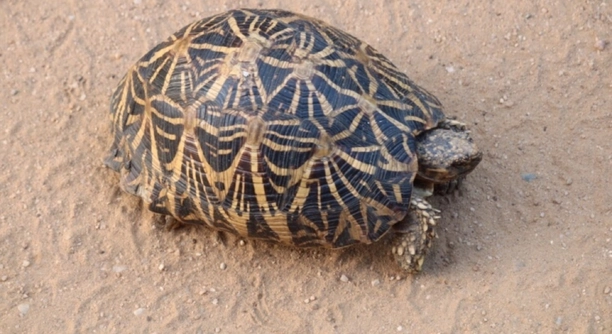
Turtles are fascinating pets, but their behavior can sometimes leave owners confused. One common issue that many turtle owners face is their pet clawing at the glass of their tank.
The primary reason your turtle claws at the glass is often due to its natural instincts and frustration with the enclosure. Turtles may see their reflection, or they might be trying to escape or find food.
There are different factors that may contribute to this behavior. Understanding what causes this can help you provide a better environment for your turtle’s well-being.
Reasons Your Turtle Claws at the Glass
Turtles are known for their curiosity, and it’s not unusual for them to claw at the glass of their tank. This behavior can be attributed to several reasons, such as trying to escape or being unable to find food. In some cases, the turtle may be reacting to its reflection, thinking it’s another turtle. Turtles are social creatures, and seeing another turtle might trigger attempts to interact or escape. If your tank is too small or lacks enrichment, your turtle might also be trying to find a way out. Other factors, like improper lighting or temperature, could lead your turtle to feel unsettled, prompting more clawing.
Many turtles will also engage in this behavior when they feel stressed or confined. If they do not have enough space or a proper environment, they can become frustrated, leading to more frequent clawing. The glass might seem like a barrier to something they need, whether it’s food, a mate, or simply more space.
It’s important to consider the size of your tank, the quality of your turtle’s habitat, and its overall health when addressing this issue. If your turtle’s environment isn’t fulfilling its needs, it may claw more often as a sign of discomfort. Providing a larger tank, more enrichment, and the right environmental conditions can reduce this behavior.
How to Reduce Clawing Behavior
One simple solution is ensuring that your turtle’s enclosure is large enough for it to move around comfortably. The more room they have, the less likely they are to feel confined.
If you want to help your turtle feel more at ease, try adding some enrichment to the tank. This can include things like floating platforms, hiding spots, or other elements that mimic its natural environment. A healthy habitat will not only keep your turtle happy but also reduce its stress levels, leading to less clawing at the glass.
Maintaining proper water temperature and lighting is also key. A consistent, comfortable environment will help your turtle feel safe and secure, minimizing the desire to claw at the tank.
Stress and Anxiety
Turtles may claw at the glass if they’re feeling stressed or anxious. They can become stressed for many reasons, such as overcrowding, improper tank conditions, or lack of proper hiding places. Stress can lead to more restless behavior, like clawing at the tank.
When turtles feel threatened or uncomfortable, they often try to escape or interact with their environment. Lack of enrichment can add to their anxiety, making them more likely to show distress. If your turtle spends too much time clawing at the glass, it’s a sign that their habitat might not be as comforting as it should be. Creating a more natural, secure environment can help alleviate their stress.
Providing hiding spaces, plants, and rocks for your turtle to explore and rest in can make a significant difference. These elements give your turtle a sense of security, reducing its need to claw at the glass. Regularly changing the tank’s water and ensuring the temperature and lighting are optimal will also help lower stress levels.
Tank Size and Space
If your tank is too small, your turtle may feel cramped and frustrated. This lack of space can lead to clawing at the glass as it tries to find a way out. A larger tank will provide room for your turtle to swim, explore, and find a safe spot to rest.
Overcrowding can also make the issue worse. Turtles need adequate space to move and interact with their surroundings. If there are too many turtles or other tank mates, they may feel more stressed and display unwanted behaviors like clawing at the glass. This is especially important for aquatic turtles, as they need both swimming and basking areas.
Making sure the tank is spacious enough for your turtle to thrive is crucial. A general rule of thumb is that your turtle should have at least 10 gallons of water for every inch of its shell length. The larger the tank, the better it will be for your turtle’s mental and physical health.
Lack of Enrichment
Turtles need mental stimulation to stay happy. Without things to explore or interact with, they may resort to clawing at the glass. This behavior is often a sign that they are bored and need more variety in their environment.
Adding items like rocks, plants, or floating platforms can help. These additions encourage your turtle to explore and engage with its surroundings, preventing frustration. Providing a more dynamic environment can reduce the repetitive clawing behavior, as it will give your turtle something meaningful to focus on instead of the tank’s glass.
Reflection and Perceived Threats
Sometimes turtles mistake their reflection in the glass for another turtle. This can make them feel threatened, leading to clawing as they attempt to interact or defend themselves.
It’s possible to reduce this by placing background decorations or covering part of the glass to block the turtle’s view of its reflection. By limiting how much it sees itself, your turtle may be less likely to engage in clawing behaviors.
FAQ
Why does my turtle claw at the glass?
Turtles may claw at the glass for several reasons. Most commonly, it’s because they feel frustrated or stressed in their environment. This behavior can stem from overcrowding, lack of enrichment, or improper habitat conditions, such as incorrect water temperature or poor lighting. Turtles are naturally curious creatures and may also claw if they see their reflection in the glass, mistaking it for another turtle. It’s important to assess the overall tank conditions to figure out what might be triggering this behavior.
Can I stop my turtle from clawing at the glass?
Yes, you can reduce or stop the clawing behavior by improving the turtle’s environment. Ensure your turtle has plenty of space to swim and explore. Add hiding spots, plants, and other items to the tank to keep your turtle mentally stimulated. It’s also crucial to maintain the right water temperature and lighting conditions, as these can directly affect your turtle’s comfort and stress levels. A larger tank with proper enrichment and regular water changes can greatly reduce this behavior.
Is my turtle in distress if it’s clawing at the glass?
Yes, if your turtle is constantly clawing at the glass, it can be a sign of distress. It may be experiencing stress due to poor tank conditions, such as being too small, overcrowded, or lacking enrichment. Turtles need a proper habitat with plenty of space, hiding spots, and suitable water conditions. If they don’t feel safe or secure in their environment, they may try to escape or interact with the glass in frustration. Check your turtle’s surroundings to ensure they are optimal for its well-being.
Could my turtle be hungry?
Yes, hunger is another reason why a turtle might claw at the glass. Turtles are often food-driven, and if they see you or something moving near the tank, they may think it’s time to eat. This can lead them to claw at the glass, hoping for food. If your turtle is not getting enough food, it might display these behaviors more frequently. Make sure you’re providing the right amount and type of food for your turtle’s species and size.
Should I worry if my turtle claws at the glass regularly?
Regular clawing can be a sign of an underlying issue, so it’s worth investigating. If the behavior happens occasionally, it’s likely harmless, but if it’s constant, it’s important to address the cause. Common causes include stress, hunger, poor habitat conditions, or frustration due to lack of space or enrichment. Keep an eye on your turtle’s overall health and behavior to ensure it isn’t a sign of a bigger problem. If the clawing continues despite improving the tank setup, it may be time to consult a veterinarian or an expert in turtle care.
What tank size is ideal for my turtle?
The ideal tank size depends on the size of your turtle. As a general rule, the tank should be at least 10 gallons of water per inch of your turtle’s shell length. If your turtle is small, a 20-gallon tank may suffice, but as it grows, you will need a larger tank. Turtles need enough space to swim freely, bask, and hide. A cramped environment can lead to stress and unwanted behaviors, including clawing at the glass. Be sure to provide ample room for your turtle to thrive.
Can the lighting affect my turtle’s behavior?
Yes, lighting plays a crucial role in your turtle’s overall health and behavior. Proper UVB lighting is essential for your turtle’s metabolism and shell health. If the lighting is inadequate, your turtle might become stressed, leading to increased clawing at the glass. UVB light helps turtles produce Vitamin D3, which is necessary for calcium absorption. Ensure your turtle’s tank has both UVB and heat lamps to create a comfortable environment. Regularly check the bulbs to make sure they are functioning correctly.
What if my turtle is clawing at the glass but doesn’t seem stressed?
If your turtle isn’t showing signs of stress or illness, it could simply be a behavioral quirk. Some turtles are naturally more curious and active, and they may claw at the glass out of habit or interest. However, it’s still important to make sure that the tank is large enough and that all the environmental conditions are met to ensure your turtle’s happiness. Even if it’s not stressed, your turtle still needs an environment that supports its well-being.
How often should I clean my turtle’s tank?
It’s important to clean your turtle’s tank regularly to maintain a healthy environment. Perform partial water changes every 1-2 weeks, removing about 25-50% of the water. This helps prevent the buildup of harmful bacteria and keeps the water clean. Clean the tank’s decorations, filter, and substrate (gravel or sand) every 3-4 weeks to remove debris and algae. A clean tank reduces stress and keeps your turtle comfortable, which may help eliminate any behaviors like clawing at the glass.
Does my turtle need a basking spot?
Yes, a basking spot is essential for your turtle’s health. Turtles need to bask under a heat lamp to regulate their body temperature and dry off after swimming. If your turtle is unable to bask, it may feel uncomfortable and stressed, which can lead to clawing at the glass. Provide a dry, elevated area in the tank where your turtle can climb out of the water and warm up. The basking area should have a heat lamp that provides the proper temperature for your turtle.
What should I do if my turtle keeps clawing at the glass despite a proper tank setup?
If your turtle continues to claw at the glass after ensuring that the tank setup is suitable, it might be time to consult a veterinarian. Persistent clawing can be a sign of underlying health issues, such as an infection or injury. A vet can perform a checkup to make sure your turtle is physically healthy. They can also give you additional advice on behavioral issues if needed.
Final Thoughts
Understanding why your turtle claws at the glass can help you create a better environment for it. Often, the behavior is a result of stress, hunger, or frustration. If your turtle is clawing at the tank, it could mean that something in its habitat is not quite right. Whether it’s the size of the tank, improper lighting, or lack of enrichment, addressing these issues can make a big difference in your turtle’s behavior. Small adjustments to its environment, like adding more hiding spots, improving the tank size, or adjusting the temperature, could reduce the clawing behavior and improve your turtle’s overall well-being.
It’s important to remember that turtles, like all pets, need regular attention to thrive. Keeping their tank clean and ensuring that their habitat is as close to their natural environment as possible will help reduce stress and encourage healthy behavior. If your turtle is constantly clawing at the glass, take a close look at the setup to see if anything is out of balance. Sometimes, it might take a little trial and error to get everything just right, but with some effort, you can create a comfortable and enriching space for your turtle.
If your turtle continues to claw at the glass despite providing the right environment, it may be time to consult a professional. A vet or expert in reptile care can help rule out health issues and offer advice on how to address the behavior. Keep in mind that every turtle is different, and some may have unique needs. With patience and attention, you can ensure that your turtle is happy, healthy, and comfortable in its tank.

Hello,
If you enjoy the content that we create, please consider saying a "Thank You!" by leaving a tip.
Every little bit helps us continue crafting quality advice that supports the health, happiness, and well-being of pets around the world, for pets of all shapes, sizes, and species.
We really appreciate the kindness and support that you show us!