
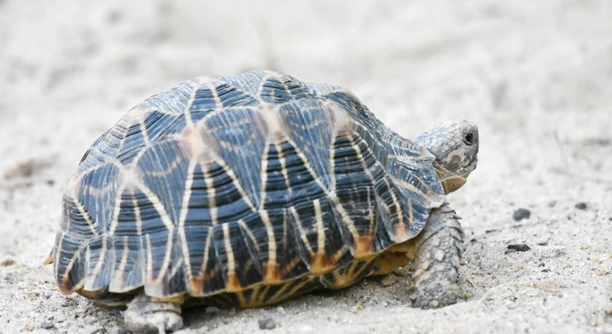
Turtles are unique creatures with fascinating shells, but sometimes, their shells can develop cracks. Understanding why this happens is essential to keeping them healthy. This article will explore the causes and solutions for cracked turtle shells.
Cracks in a turtle’s shell often occur due to factors like improper diet, dehydration, or injury. In some cases, poor environmental conditions and lack of proper care may contribute to shell damage, making it crucial to address the root cause.
Knowing the reasons behind cracked shells will help you provide better care for your turtle. It’s important to recognize these issues early on to prevent further damage and ensure a healthier, happier pet.
Common Causes of Cracked Turtle Shells
Cracks in a turtle’s shell are often caused by a few common factors. Improper diet and lack of essential nutrients like calcium can weaken the shell, making it more susceptible to damage. Dehydration is another significant contributor, as turtles require plenty of water to stay hydrated and maintain shell strength. Physical trauma, such as falling or being hit, can also cause cracks, even if the impact doesn’t seem severe. Additionally, environmental stressors, such as sudden temperature changes or living in an unclean habitat, can impact a turtle’s shell. Over time, neglecting these factors leads to shell deterioration.
Sometimes, turtles may develop cracks due to poor water quality or insufficient basking time. Without access to UVB light, turtles can develop weakened shells, leaving them more vulnerable to injury.
Shell cracks can be painful and affect your turtle’s overall health. Regular check-ups, proper diet, and a clean, safe environment can prevent many issues, including shell damage. If you notice cracks, addressing the cause quickly can stop the problem from worsening.
How to Treat Cracks in a Turtle’s Shell
If your turtle’s shell has a crack, immediate treatment is necessary. Cleaning the wound with mild saline solution is a good first step. You should then consult a vet for advice on further treatment, especially if the crack is deep.
In cases of more severe damage, a vet may recommend applying a special shell repair paste. This paste helps seal the crack and prevents infection from setting in. For minor cracks, gentle care and observation might be enough. However, neglecting to treat a cracked shell can lead to further complications such as infection or more significant shell damage. Regular maintenance of the turtle’s environment, diet, and hydration levels is essential to promote shell health.
If the crack becomes infected, it could lead to significant complications, including internal injuries and even death. It’s always better to seek professional help right away to prevent any potential issues. By properly caring for your turtle’s shell, you can avoid many of the more severe outcomes related to shell damage.
Importance of a Proper Diet
A proper diet is crucial for your turtle’s overall health, especially for its shell. A lack of essential nutrients like calcium and vitamin D can cause the shell to weaken, making it more likely to crack. A balanced diet of leafy greens, high-quality pellets, and occasional protein will provide your turtle with the nutrition it needs.
Calcium plays a big role in keeping your turtle’s shell strong and intact. Without it, the shell can become soft or brittle. Inadequate lighting can also prevent your turtle from absorbing calcium properly. If your turtle isn’t getting enough calcium, consider adding calcium supplements to its diet. Always ensure the diet is well-rounded to support the turtle’s shell and bone health.
When a turtle isn’t fed the right nutrients, its shell may develop cracks over time, leaving it vulnerable to infections. To avoid this, feeding a variety of foods, providing UVB light, and offering calcium supplements is key to maintaining a healthy, strong shell.
Hydration and Water Quality
Dehydration is another major factor in turtle shell health. Turtles need constant access to clean, fresh water to stay hydrated and keep their shells healthy. Without it, their shells can dry out and crack. Regularly changing the water in their tank will prevent the build-up of harmful bacteria, which can also contribute to shell issues.
If your turtle’s environment is not properly maintained, it can lead to poor water quality. Turtles are aquatic animals and need clean water to thrive. Water that’s too dirty or contaminated can harm their shell and skin. Use a reliable filtration system to keep the water clean, and always monitor its temperature to ensure your turtle is comfortable.
Keeping your turtle hydrated and providing clean water helps prevent cracks, shedding problems, and infections. It’s important to check the water regularly for clarity and temperature to make sure your turtle’s environment stays healthy. Maintaining good water quality will also support the overall well-being of your turtle.
Stress and Environmental Factors
Stress can weaken your turtle’s immune system, making it more susceptible to shell cracks. Stress can come from overcrowded living conditions, too much noise, or inadequate basking areas. It’s important to provide a peaceful, comfortable environment for your turtle to thrive.
Turtles need a suitable space that allows them to feel safe. A tank that’s too small or not properly set up can make your turtle anxious, leading to stress that affects its shell health. Ensure the environment includes a proper basking spot, clean water, and temperature control. A relaxed turtle will be healthier overall.
Injury and Accidental Trauma
Accidents happen, and sometimes a turtle can suffer physical trauma that leads to cracks in its shell. Falling from a height or being hit by an object can cause damage. Always keep your turtle’s enclosure secure to prevent accidents and minimize the risk of injury.
If your turtle experiences an injury, it’s important to act quickly. Assess the situation and seek professional help if the damage seems severe. Even small cracks can lead to infections or long-term health issues if left untreated. Prevention is key, but if an injury occurs, it’s essential to address it promptly.
FAQ
What causes cracks in my turtle’s shell?
Cracks in a turtle’s shell can be caused by several factors, including dehydration, poor diet, lack of calcium, and physical trauma. If a turtle is not getting enough nutrients or exposure to proper UVB lighting, its shell can become weak and more prone to damage. In addition, if your turtle lives in an environment with fluctuating temperatures or poor water quality, the shell may deteriorate. Accidents or falls can also lead to cracks in the shell. Regular care and maintenance are key to preventing these issues.
How can I prevent my turtle’s shell from cracking?
The best way to prevent shell cracks is by ensuring your turtle has a balanced diet, access to fresh water, proper UVB lighting, and a clean environment. Make sure your turtle has enough calcium, as it helps keep the shell strong. Keep the tank clean and change the water regularly. Avoid stress by providing your turtle with enough space and a peaceful environment. A properly maintained habitat with temperature control can also prevent cracks. Additionally, make sure the turtle is not at risk of falling or bumping into hard surfaces.
What should I do if my turtle’s shell has a crack?
If you notice a crack in your turtle’s shell, it’s important to clean the area carefully with saline solution to avoid infection. Depending on the severity of the crack, you may need to apply a shell repair paste or seek professional help from a vet. If the crack is deep or seems to be affecting your turtle’s health, it’s best to get it checked by a vet right away. Keeping your turtle’s tank clean and well-maintained while it heals will also help prevent further issues.
How can I tell if my turtle’s shell is infected?
Signs of infection in a turtle’s shell include swelling, discharge (pus), and a bad smell coming from the area of the crack. The turtle may also act lethargic or refuse to eat. If you notice any of these signs, it’s important to get professional help as soon as possible. Shell infections can worsen quickly if not treated properly. Early intervention can help avoid more serious complications like systemic infection.
Can I use a home remedy to treat my turtle’s cracked shell?
While some people use home remedies like applying honey or other natural substances to minor cracks, it’s important to consult a veterinarian, especially if the crack is severe. A vet can provide the appropriate treatment, such as shell repair paste, to prevent infection and ensure proper healing. Home remedies might help in minor cases, but they are not a substitute for proper veterinary care.
What should I feed my turtle to keep its shell healthy?
A turtle’s diet should include a mix of leafy greens like kale, collard greens, and dandelion leaves. You can also feed them high-quality pellets that are specially designed for turtles, along with occasional protein sources like earthworms or fish. Ensure the diet is high in calcium to promote a strong shell, and make sure to provide vitamin D3 through UVB light or supplements. A balanced diet, combined with proper lighting and hydration, will help keep your turtle’s shell in the best condition.
How often should I change the water in my turtle’s tank?
It’s essential to change your turtle’s water regularly to maintain a clean environment and prevent shell issues. For a small tank, changing the water every 2 to 3 days is usually recommended. For larger tanks, a water change once a week may suffice, but it’s important to monitor water quality with regular testing. A good filtration system can also help keep the water cleaner for longer. Ensure the water is at the right temperature and free of contaminants that could harm your turtle’s shell and health.
Can a turtle’s shell grow back if it’s cracked or damaged?
Turtles’ shells do not grow back in the same way that some other animals’ body parts might. However, with proper care, a turtle’s shell can heal over time. Minor cracks might seal themselves if the turtle is given the right treatment, but deeper damage may require a vet’s intervention. The shell is constantly growing, so new, healthy shell material can replace damaged parts, but it takes time. The shell’s healing process should be monitored closely to avoid infection or further damage.
How can I make sure my turtle is getting enough UVB light?
UVB light is essential for your turtle’s health as it helps them process calcium and prevents soft shell disease. To ensure your turtle is getting enough UVB light, provide a UVB lamp that covers the entire basking area of the tank. These lights should be replaced every 6 to 12 months, as their effectiveness decreases over time. Make sure the turtle has access to both basking and UVB light for several hours a day. If you’re unsure, consider using a UVB meter to check the light levels in the tank.
Can shell cracks heal on their own?
Minor cracks in a turtle’s shell may heal over time, especially if they are properly cared for. However, deep or serious cracks often require veterinary attention. If left untreated, cracks can lead to infection or more severe damage. It’s important to monitor the turtle closely and make sure it is getting proper nutrition, hydration, and a clean environment to help promote healing. In some cases, professional intervention may be needed to prevent complications and ensure that the crack heals correctly.
Final Thoughts
Taking care of your turtle’s shell is essential for its overall health. A strong and healthy shell helps protect your turtle from external threats and prevents infection. By maintaining a proper diet, providing clean water, and ensuring access to adequate UVB lighting, you can reduce the risk of cracks and shell damage. Regular check-ups and attention to their habitat are important to prevent these issues from occurring.
If you notice any cracks in your turtle’s shell, it’s important to address the problem quickly. Small cracks may heal with proper care, but deeper or more severe cracks can lead to serious health issues if left untreated. Keeping your turtle’s environment clean, stable, and stress-free is key to preventing shell damage. It’s always a good idea to seek professional help if you’re unsure how to treat the damage or if the crack doesn’t improve with basic care.
Finally, being proactive in maintaining your turtle’s health will not only help prevent shell cracks but also ensure its long-term well-being. With the right care, your turtle can live a long, healthy life. Always stay informed about the best practices for turtle care, and remember that a little attention to their needs goes a long way in keeping them happy and healthy.

Hello,
If you enjoy the content that we create, please consider saying a "Thank You!" by leaving a tip.
Every little bit helps us continue crafting quality advice that supports the health, happiness, and well-being of pets around the world, for pets of all shapes, sizes, and species.
We really appreciate the kindness and support that you show us!