
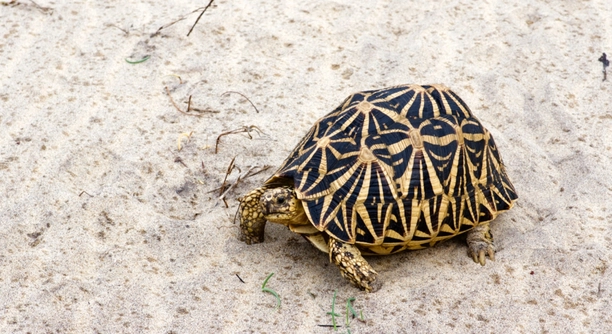
Turtles can be picky eaters, and as pet owners, it’s important to know what treats are safe for them. Giving your turtle the right snacks can help them stay healthy and happy.
There are several safe treats you can give your turtle, such as leafy greens, fruits, and some types of vegetables. These treats provide important nutrients that help support their overall well-being without harming their digestive system.
Learning which treats to offer your turtle is essential for their health. In this article, we’ll cover seven safe options to include in your turtle’s diet.
Leafy Greens
Turtles thrive on leafy greens, which are rich in essential vitamins and minerals. Offering a variety of greens like kale, dandelion greens, and collard greens can help keep your turtle healthy. These greens are low in phosphorus and provide a good balance of calcium, which is important for shell and bone development. It’s essential to avoid greens that are high in oxalates, such as spinach, as they can interfere with calcium absorption.
These greens are also easy to find and prepare, making them a practical option. Cut the leaves into small, manageable pieces so your turtle can enjoy them.
Leafy greens should be a staple in your turtle’s diet. They offer a natural source of fiber that helps with digestion, along with key nutrients that support overall health. Be sure to vary the greens you offer, as this helps maintain a balanced diet for your pet.
Fruit
Fruit is another safe treat for your turtle, but it should be given in moderation. Some great options include strawberries, raspberries, and blueberries. Fruit can be a fun and refreshing snack for your turtle, but it’s high in sugar, so it should not make up a large part of their diet.
Giving your turtle fruit helps provide hydration, as many fruits are rich in water. They are also packed with antioxidants and vitamins. However, be cautious with fruits that are high in acidity, like citrus fruits, as they can upset your turtle’s stomach.
When offering fruit, make sure to cut it into small, manageable pieces to prevent choking. You can serve the fruit on its own or mix it with their regular greens to add a sweet touch. Keep in mind that a little goes a long way when it comes to fruit.
Carrots
Carrots are a great occasional treat for turtles. They are high in beta-carotene, which is important for eye health. Cut them into small, bite-sized pieces to make them easier for your turtle to eat. Avoid giving too much as the high sugar content can be harmful if fed frequently.
When serving carrots, it’s best to peel them to remove any pesticides or chemicals. Offering them raw, either chopped or shredded, will give your turtle a crunchy texture they can enjoy. Carrots also provide fiber that helps with digestion, keeping your turtle’s system running smoothly.
Feeding your turtle a small piece of carrot once a week is a good way to introduce this healthy treat. Be cautious of overfeeding, as too many carrots can upset the nutritional balance. Always monitor your turtle’s health and adjust portions accordingly to keep their diet in check.
Zucchini
Zucchini is another safe and healthy treat for turtles. It’s low in calories and contains a variety of vitamins and minerals. Cut the zucchini into small pieces and remove any seeds before offering it to your turtle. Zucchini should be served raw to retain its nutrients.
This vegetable is an excellent choice for hydration since it has a high water content, which can help keep your turtle hydrated in a natural way. It’s easy to digest, making it ideal for turtles of all ages. While it’s a great snack, it’s not a replacement for their staple food.
Zucchini also provides fiber, helping to support your turtle’s digestive system. By offering this vegetable along with their regular meals, you can provide them with a healthy and nutritious option that’s safe for their diet. Keep portions small and always monitor your turtle’s reaction to new treats.
Squash
Squash, such as butternut or acorn, is another safe and nutritious treat for turtles. It’s packed with vitamins and has a soft texture that is easy for turtles to chew. Be sure to remove the skin and seeds before offering it to your pet.
When serving squash, it’s best to cut it into small pieces or thin slices. The natural sweetness of squash can be an enjoyable addition to your turtle’s diet. Since it is low in calories, you can feed it regularly, but be mindful of portion sizes to maintain balance in their diet.
Cucumber
Cucumbers are a hydrating treat that your turtle will likely enjoy. They are low in calories and offer a refreshing snack, especially in warm weather. Slice the cucumber into thin rounds and remove any seeds before serving.
Cucumbers contain a high amount of water, making them great for hydration. They also provide some vitamins and minerals that can supplement your turtle’s regular diet. While cucumbers are healthy, they should only be given occasionally as a snack and not as a main food source.
FAQ
Can turtles eat grapes?
Turtles can eat grapes, but only in moderation. Grapes are high in sugar and can contribute to obesity or digestive issues if overfed. It’s best to cut them into small pieces and give them occasionally. Be sure to remove the seeds if possible to avoid choking hazards.
Can I give my turtle fish as a treat?
Fish can be given to turtles, but they should not be a regular treat. While some turtles are carnivorous and naturally enjoy fish, it’s important to provide variety in their diet. Fish should be offered occasionally and should be high-quality, free of contaminants.
Are there any vegetables that turtles should avoid?
Turtles should avoid certain vegetables, such as spinach, which contains high levels of oxalates. Oxalates can interfere with calcium absorption and lead to shell issues. Additionally, avoid giving your turtle iceberg lettuce, as it offers very little nutritional value.
Can I feed my turtle cooked food?
It’s generally better to feed your turtle raw foods, as cooking can strip away important nutrients. However, some turtles enjoy cooked foods like boiled eggs or soft-cooked carrots occasionally. Just be cautious not to overdo it, as cooked food should not replace their main diet.
How often should I feed my turtle treats?
Treats should be offered sparingly, about once or twice a week. Overfeeding treats can lead to an unbalanced diet, causing nutritional deficiencies or obesity. Stick to offering healthy treats that complement your turtle’s main food, such as leafy greens or small portions of fruit.
Can turtles eat lettuce?
Not all lettuce is beneficial for turtles. While they can eat dark leafy greens like romaine lettuce, they should avoid iceberg lettuce, as it has little nutritional value. Romaine is a better option because it contains more vitamins and minerals that can support their health.
What should I do if my turtle refuses food?
If your turtle refuses food, try offering different types of food to see if they prefer something else. Turtles can sometimes go through periods of reduced appetite, especially if they’re shedding or adjusting to a new environment. Ensure that their habitat conditions, such as water temperature and UV lighting, are optimal.
Can I give my turtle flowers?
Certain flowers are safe for turtles and can be a delightful addition to their diet. Flowers like dandelions, hibiscus, and clover are healthy and offer extra nutrients. Make sure the flowers are pesticide-free and clean before offering them to your turtle.
Is it safe to feed my turtle insects?
Many turtles, especially omnivorous or carnivorous species, enjoy insects. Crickets, mealworms, and earthworms are safe to feed in moderation. Insects provide a good source of protein, but they should not be the main food source. Always source insects from reputable suppliers to avoid parasites.
Can turtles eat bread or crackers?
Bread and crackers are not recommended for turtles. These processed foods offer little nutritional value and can upset their digestive system. Stick to offering fresh, natural foods that are rich in vitamins and minerals to keep your turtle healthy.
Can my turtle eat dairy products?
Dairy products are not suitable for turtles. Most turtles are lactose intolerant, which means they cannot properly digest dairy. Feeding dairy can lead to digestive problems or discomfort. Avoid offering any dairy products as part of their diet.
How do I introduce new foods to my turtle?
When introducing new foods to your turtle, start by offering small portions to see how they react. Turtles can be picky, so it may take some time for them to accept new treats. Gradually increase the variety of foods over time to help them get used to new tastes and textures.
Final Thoughts
Feeding your turtle safe and nutritious treats is an important part of keeping them healthy. While there are many options, it’s essential to remember that not all foods are suitable for turtles. Always research and make sure the treats you provide complement their main diet of protein, greens, and vegetables. Overfeeding treats can lead to an unbalanced diet and potential health problems, so moderation is key.
It’s also a good idea to mix up the types of treats you give your turtle to provide variety. This ensures they get a range of nutrients, making their diet more interesting and enjoyable. Turtles can get bored of eating the same foods every day, so adding occasional fruit or vegetables can keep their meals exciting. However, always keep track of what treats your turtle enjoys the most and avoid giving them too much of anything.
Lastly, always monitor your turtle’s health when introducing new treats. If you notice any changes in behavior, digestion, or appearance after feeding them a specific food, consult a vet. Every turtle is different, so what works for one might not work for another. As long as you provide safe, healthy options and pay attention to your turtle’s preferences, you can help ensure they live a long and happy life.

Hello,
If you enjoy the content that we create, please consider saying a "Thank You!" by leaving a tip.
Every little bit helps us continue crafting quality advice that supports the health, happiness, and well-being of pets around the world, for pets of all shapes, sizes, and species.
We really appreciate the kindness and support that you show us!