
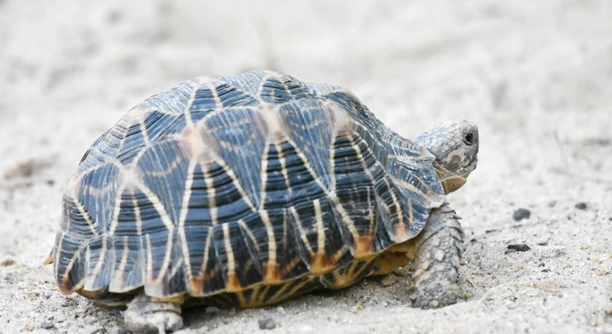
Turtles are fascinating creatures with unique behaviors, and sometimes, their actions leave us wondering. One common thing they do is sniff their food before eating. This curious behavior can raise questions for any turtle owner.
Turtles sniff their food primarily to explore it. Their sense of smell is crucial for identifying edible items and ensuring they are safe to consume. This sniffing helps them recognize familiar scents, such as plants or insects, that may be food.
Understanding why your turtle sniffs its food can help you create a better feeding routine and offer them the right diet. Keep reading to discover what may be behind this behavior and how you can support your turtle’s needs.
Why Do Turtles Sniff Their Food?
Turtles use their sense of smell as one of the primary ways to explore the environment around them. This behavior is essential for them to identify food and determine whether it’s safe to eat. Their noses are quite sensitive, helping them pick up on different smells, such as the scent of plants, insects, or even the water around them. In the wild, these smells guide them toward the right food sources. Pet turtles still rely on this sense, especially when offered new or unfamiliar foods. If your turtle sniffs its food, it is most likely checking whether it is something edible or safe. This behavior can be more pronounced when introducing a new item to their diet.
Turtles have a keen sense of smell, allowing them to detect food more accurately, even in murky waters. They can sense the chemical makeup of different substances around them, which helps them decide what to eat.
Understanding this behavior helps ensure you provide the best food options for your turtle. A turtle that sniffs its food is just being cautious before eating. It’s normal for them to take their time. Sometimes, they may even refuse to eat if they don’t recognize the smell or feel unsure. Providing a varied diet can encourage them to explore different foods, but be patient while they decide what they want.
Can Sniffing Be a Sign of Something Else?
It’s important to note that sniffing food isn’t always just about hunger. In some cases, it may indicate that the turtle is feeling stressed or unwell. If your turtle is sniffing its food more than usual or not eating at all, this could be a sign of other issues, such as a change in habitat, temperature, or water quality. Stress from sudden changes in the environment can affect their behavior, including how they approach food. Additionally, if they are sick, they may lose their appetite or become less interested in eating.
Proper care, including maintaining a consistent environment and ensuring their diet is balanced, can help reduce stress and encourage healthy eating habits. When your turtle is comfortable in its surroundings, sniffing before eating is likely just a normal part of their behavior.
If you suspect there’s more going on, keep an eye on their overall health. Check for signs like lethargy, abnormal shell appearance, or changes in behavior. These could signal health issues that may require attention from a vet.
The Role of Smell in a Turtle’s Diet
Turtles rely heavily on their sense of smell to identify food, much like humans use taste. Their noses help them detect the presence of food sources, such as plants or insects, even when the food is not in their direct line of sight. Smelling the food allows them to evaluate its freshness and safety.
When a turtle sniffs its food, it’s using this sense to assess the type and quality of what’s offered. In their natural habitats, they may sniff to determine if something is edible, which helps avoid potentially harmful substances. Whether they are in the wild or as pets, this behavior ensures they make the right food choices.
Additionally, the act of sniffing helps turtles orient themselves to their food in various environments, including murky waters or unfamiliar settings. A turtle might sniff longer if they feel unsure or if the food has a new scent. Over time, turtles become more accustomed to the foods they regularly eat, and their sniffing behavior may decrease as they grow more confident.
How Environmental Factors Impact Sniffing Behavior
Environmental factors can influence a turtle’s sniffing behavior. For instance, if the water temperature is too cold or warm, it may cause the turtle to be less active or picky with food. Water quality also plays a role—poor quality can lead to a lack of appetite, and the turtle may take longer to sniff and assess food.
Turtles are highly sensitive to changes in their environment. If the conditions around them aren’t ideal, their natural behaviors, including eating, can be affected. Sniffing may increase if they are trying to find food in an environment that feels unsafe or unstable. Maintaining the right temperature, clean water, and a stable habitat are key factors in encouraging healthy eating habits.
In addition, lighting and noise levels can also influence a turtle’s behavior. In a quiet, calm environment, they may be more likely to approach food without hesitation. On the other hand, loud noises or constant changes can make the turtle more cautious, leading them to sniff their food more before eating. Adjusting the environment to make it more comfortable can help improve your turtle’s eating habits and reduce unnecessary sniffing.
Introducing New Foods
When you introduce a new food to your turtle, it’s normal for them to sniff it before eating. This cautious behavior helps them determine whether it’s safe to consume. Sniffing is part of their natural instinct to test unfamiliar items.
Turtles can be wary of new foods, especially if they’ve never encountered that specific scent before. It’s important to give them time to adjust. Offering the new food multiple times in different ways can help them become more comfortable with it. Over time, they will learn to recognize the scent and may start eating it more confidently.
Providing a variety of food options can keep your turtle’s diet interesting and nutritionally balanced. Some turtles might refuse to eat new foods at first, but eventually, they’ll accept and enjoy the variety you offer.
Sniffing and Overfeeding
Overfeeding can lead to changes in your turtle’s eating behavior, including sniffing food more than usual. If they are not hungry, they may sniff out of curiosity or boredom. Feeding your turtle too often can cause them to lose interest in the food, making sniffing more common.
It’s important to establish a proper feeding schedule to prevent overfeeding. A balanced routine allows your turtle to develop a healthy appetite and reduces unnecessary sniffing. If you notice that your turtle is sniffing and not eating, it might be a sign to adjust the amount of food provided or try offering it at different times of the day.
Food Quality and Freshness
The quality of the food plays a major role in how much your turtle will sniff it. Fresh foods are often more appealing, while stale or spoiled items might cause your turtle to hesitate or sniff longer. Ensuring the food is fresh and free of contaminants is key to encouraging eating.
Turtles are more likely to sniff and inspect food that has a strange or unfamiliar odor, especially if it’s not up to their standards. Regularly offering fresh vegetables, protein sources, or other treats can help prevent any hesitation when it comes time for your turtle to eat.
FAQ
Why is my turtle sniffing but not eating?
If your turtle is sniffing but not eating, it could be due to a few factors. Sometimes, they are simply not hungry or are cautious about the food. Stress, environmental changes, or unfamiliar foods may also cause hesitation. Make sure the water temperature and quality are ideal, and try offering a variety of food. If the behavior continues, it’s worth checking for any health issues.
Is it normal for my turtle to sniff new food?
Yes, it’s completely normal for your turtle to sniff new food. Turtles use their sense of smell to evaluate unfamiliar foods. This behavior is their way of making sure the food is safe and edible. Over time, they will get used to the smell and texture of new foods, especially if you offer them regularly.
Can a turtle’s sniffing be a sign of illness?
Sniffing itself is not usually a sign of illness, but if your turtle is sniffing and not eating or showing other signs of lethargy or discomfort, it could be a health issue. Poor water quality, stress, or a lack of appetite can cause a turtle to behave differently. If your turtle shows other concerning symptoms, such as changes in its shell or behavior, it’s important to consult with a vet.
Should I feed my turtle after it sniffs its food?
If your turtle is sniffing but not eating, you can leave the food for a while and observe whether it starts eating later. Some turtles may take time to warm up to new food or might be cautious. If they continue sniffing without eating, try offering a different type of food or adjusting the environment to reduce stress.
How can I tell if my turtle is too stressed to eat?
Stress can be a big factor in a turtle’s refusal to eat. Signs of stress include hiding more often, erratic swimming, or changes in behavior. If the water temperature or quality isn’t right, or if there’s too much noise in the environment, your turtle may avoid eating. Creating a calm, stable environment and maintaining proper care will help reduce stress and encourage better eating habits.
Can I use food scents to attract my turtle?
Yes, certain food scents can attract your turtle. Turtles are drawn to the smell of their favorite foods. You can use stronger-scented foods like fish or certain vegetables to get their attention. However, make sure the food is part of a balanced diet and not just used as a way to lure them.
How often should I feed my turtle?
Turtles should be fed according to their age and size. Young turtles require more frequent meals, often daily, while adult turtles typically eat every 2-3 days. Overfeeding can lead to obesity and behavioral issues like excessive sniffing. A consistent feeding schedule that meets your turtle’s nutritional needs will help maintain their health and appetite.
What should I do if my turtle isn’t eating at all?
If your turtle is not eating for an extended period, it could be a sign of health problems, stress, or environmental issues. Check the water quality, temperature, and lighting to ensure everything is ideal. You can also try offering different foods or consult a vet to rule out any medical conditions. Avoid overfeeding, as it may make your turtle lose interest in food.
Can changes in water quality affect a turtle’s eating habits?
Yes, changes in water quality can affect a turtle’s eating habits. Dirty or poor-quality water can cause stress, which may lead to decreased appetite. Turtles are highly sensitive to water conditions, so regular water changes and proper filtration are necessary to keep them healthy and maintain a good feeding routine.
What are the best foods to offer my turtle?
The best foods for your turtle depend on its species and age. Generally, a combination of leafy greens (like kale and collard greens), vegetables, and occasional protein sources (like insects or fish) is ideal. Be sure to avoid feeding your turtle unhealthy treats or foods that may not be part of their natural diet.
Does my turtle’s environment affect its sniffing behavior?
Yes, your turtle’s environment plays a significant role in its behavior. Factors like water temperature, tank size, and cleanliness can all impact how your turtle behaves during feeding time. A stable, clean, and comfortable habitat can help your turtle feel more secure and encourage healthy eating habits. If the environment is unstable, your turtle may be more likely to sniff its food cautiously or refuse to eat altogether.
Final Thoughts
Turtles sniffing their food is a natural behavior and part of their way of ensuring that what they eat is safe and suitable for them. They use their sense of smell to assess their food, just as we rely on our senses to decide what to eat. This behavior is especially important when they are introduced to new foods or if they feel uncertain about the food’s quality. If you notice your turtle sniffing its food, it’s usually just them being cautious and taking their time to figure things out. Over time, as they become more familiar with their food, this behavior may decrease.
However, if your turtle’s sniffing behavior is accompanied by a lack of eating or other unusual symptoms, it could be a sign of something else, like stress or a health issue. Stress can come from changes in their environment, such as fluctuations in water quality or temperature. It’s essential to keep your turtle’s habitat stable and clean to reduce the chances of them feeling stressed or uncomfortable. Sometimes, turtles are picky about the types of food they eat. If they are sniffing and not eating, trying different food options and giving them more time to adjust might help. If you are concerned that there might be an underlying health issue, it’s always best to consult a vet who specializes in reptiles.
Taking care of your turtle’s diet and environment will ensure they stay happy and healthy. Offer a variety of foods and stick to a feeding schedule to keep them interested and properly nourished. Remember, sniffing is a normal behavior, and as long as your turtle is otherwise healthy, there’s usually no reason to worry. Keep an eye on their habits and environment, and they will likely continue to thrive.

Hello,
If you enjoy the content that we create, please consider saying a "Thank You!" by leaving a tip.
Every little bit helps us continue crafting quality advice that supports the health, happiness, and well-being of pets around the world, for pets of all shapes, sizes, and species.
We really appreciate the kindness and support that you show us!