
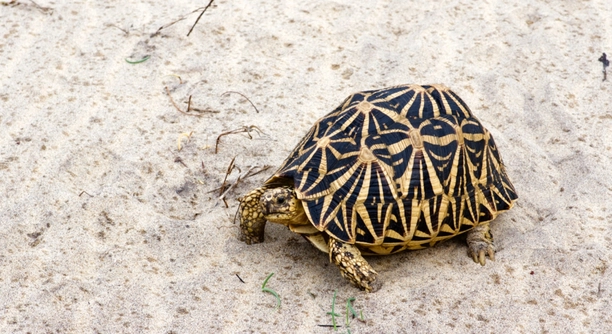
Turtle tanks are not just a home for your pets; they need to be carefully set up for their safety and well-being. Knowing what to avoid putting inside is key to maintaining a healthy environment for your turtle.
Certain items can negatively impact the water quality and overall health of your turtle. Common mistakes include adding harmful materials or objects that could cause injury or stress. Keeping your tank clean and safe is essential for their well-being.
Understanding what’s safe for your turtle will help you maintain a healthy tank. From harmful substances to dangerous objects, there’s more to tank care than simply adding water and a few decorations.
1. Chemicals and Cleaning Products
Turtles are sensitive creatures, and adding chemicals to their tank can cause serious harm. Regular cleaning supplies like bleach or ammonia should never be used inside a turtle tank. These substances can contaminate the water, making it unsafe for your turtle to live in. Even small traces of harsh chemicals can cause irritation to their skin and eyes, potentially leading to long-term health problems.
To keep your tank clean, stick to safe, non-toxic cleaning products specifically designed for aquatic environments. Regular water changes and a good filtration system will help maintain a healthy habitat. You can also use a soft sponge to gently scrub the tank walls. Always rinse your cleaning tools thoroughly before putting them back in the tank to avoid contamination.
It’s important to be cautious when choosing products for your turtle’s tank. Always read labels and choose ones that are safe for aquatic animals. This helps prevent unnecessary stress or damage to your turtle. Keeping the environment clean with safe alternatives ensures your turtle’s tank stays healthy without risking harm.
2. Small Objects and Tiny Decorations
Small objects like pebbles or tiny decorations can be dangerous for your turtle.
While they may look nice, these small items can cause harm if your turtle tries to eat or swallow them. They can lead to choking or blockages, which may require medical intervention.
3. Live Plants
Live plants can seem like a natural addition, but they may not always be suitable for a turtle tank. Some plants can be toxic to turtles, while others may be too fragile and get damaged easily. Avoid introducing plants that can harm your turtle if ingested or uprooted.
If you choose to add live plants, make sure they are safe for turtles. Hardy species like anacharis or java moss can work well. These plants can help improve the water quality by absorbing excess nutrients. However, be prepared to trim them regularly, as turtles might chew on them, which can disrupt your tank’s balance.
Using live plants can be a great way to add natural beauty to your turtle’s tank. However, it’s important to do research on the types that are safe. Always monitor your turtle’s behavior to ensure the plants are not causing harm. You may also need to replace plants periodically if your turtle consumes them too often.
4. Sand and Gravel Substrates
Sand and gravel may seem like a great way to decorate the bottom of the tank, but they can cause issues.
Turtles often mistake these materials for food and can ingest them, leading to serious digestive problems. The particles can create blockages in their intestines, which may require surgery to remove.
5. Unfiltered Tap Water
Using unfiltered tap water in your turtle tank can introduce harmful chemicals like chlorine and chloramine. These chemicals can irritate your turtle’s skin, eyes, and respiratory system. Over time, they can lead to serious health problems.
It’s important to use dechlorinated water or water that has been properly filtered to ensure your turtle’s health. You can also let tap water sit for 24 hours to allow chlorine to dissipate, but filtering is the safest option. Regular water testing helps ensure the water’s quality is safe for your turtle.
Investing in a good water filter is one of the best things you can do for your turtle. Clean, treated water will provide a healthy environment and reduce the risk of illness. A proper filtration system will also help reduce the need for frequent water changes, making tank maintenance easier.
6. Toxins from Metals
Metals, like copper, can be toxic to turtles.
Some decorations or equipment may contain metals that leach into the water, creating unsafe conditions for your turtle. Avoid any items made from materials that are not specifically labeled as safe for aquatic animals.
FAQ
Can I use river rocks in my turtle tank?
River rocks are often considered safe, but they can be a problem if they are too small or unevenly shaped. Turtles may try to swallow them, leading to blockages. Larger, smooth rocks that are too big for your turtle to ingest are safer. Make sure the rocks are clean and free from any harmful substances.
Should I add fish to my turtle tank?
Adding fish to a turtle tank can be tricky. Turtles are natural predators, so they may see the fish as a meal. Even if your turtle doesn’t eat them right away, they could cause stress or disrupt the tank’s balance. If you still want to add fish, consider species that are fast and able to avoid the turtle.
Are there specific types of light I should use in a turtle tank?
Yes, turtles need proper lighting to stay healthy. UVA and UVB light are essential for their well-being. UVA light helps with their behavior and appetite, while UVB light helps them synthesize vitamin D3, which is necessary for calcium absorption. A combination of both is ideal. Be sure to provide a heat source as well to regulate your turtle’s body temperature.
Can I use plastic decorations in my turtle tank?
Plastic decorations can be safe as long as they don’t have sharp edges or small parts that could be chewed or swallowed. If your turtle tries to nibble on plastic items, it’s best to remove them from the tank. Always check the materials used to make sure they are safe for aquatic life.
How often should I clean my turtle’s tank?
You should clean your turtle’s tank regularly to maintain good water quality. A partial water change (about 25% to 50%) should be done weekly, while a full clean, including scrubbing the tank, should be done every month. Make sure the filter is also cleaned or replaced as needed.
What’s the best substrate for a turtle tank?
The best substrate for your turtle’s tank depends on the species. Smooth river rocks or large gravel can be used, but avoid sand or fine gravel, which can be ingested. Some turtle owners prefer bare-bottom tanks, as they are easy to clean and provide no opportunity for ingestion of harmful materials.
Do turtles need a basking area?
Yes, turtles need a basking area where they can dry off and soak up UVB light. This area should be warm, dry, and have a ramp or platform for easy access. Basking helps regulate their body temperature and aids in the process of drying their shells.
Can I use a heater in the turtle tank?
Yes, using a heater is important for keeping your turtle’s tank at the right temperature. Most aquatic turtles need water temperatures between 75°F and 80°F. A submersible heater designed for aquariums will help maintain this temperature. Make sure to choose a heater with an adjustable thermostat to avoid overheating.
Can I feed my turtle store-bought pellets only?
Store-bought pellets can be part of your turtle’s diet but should not be the only food source. Turtles need a balanced diet that includes fresh vegetables, fruits, and occasionally, live or frozen protein sources like insects or fish. A variety of foods will keep your turtle healthy and provide the necessary nutrients.
How do I know if my turtle is sick?
Signs of a sick turtle include lethargy, loss of appetite, difficulty swimming, or abnormal behavior. Their shells may also appear soft or have discoloration. If you notice any of these symptoms, it’s important to consult a veterinarian who specializes in reptiles as soon as possible. Early diagnosis can prevent serious health issues.
How long do turtles live?
Turtles can live for a long time, depending on the species. Some turtles live for over 50 years, with certain types like the red-eared slider reaching 20 to 30 years in captivity. With proper care, your turtle can enjoy a long, healthy life.
Can I use a filter in a turtle tank?
Yes, a filter is essential for keeping the water clean in your turtle’s tank. Turtles are messy eaters and produce a lot of waste, so a good filtration system will help keep the water clean and reduce the need for frequent water changes. Choose a filter that is rated for the size of your tank to ensure optimal filtration.
Should I cover my turtle tank?
A cover for your turtle tank can be a good idea, especially if your turtle is an escape artist. A secure lid will prevent your turtle from climbing out of the tank. However, make sure there is proper ventilation to avoid stagnant air. The cover should be easy to remove for feeding and cleaning.
Can I use saltwater for my turtle tank?
Most turtles, especially freshwater species, do not require saltwater. If you have a saltwater turtle species, such as sea turtles, you will need to maintain a saltwater environment. For most pet turtles, fresh, dechlorinated water is the best choice. Always research the specific needs of your turtle species.
How do I provide enrichment for my turtle?
Turtles need mental and physical stimulation to stay healthy. You can provide enrichment by adding different hiding spots, ramps, or floating objects. You can also rotate toys or plants in the tank to keep things interesting. Always ensure the items are safe and appropriate for your turtle’s size and needs.
Can I use tap water for my turtle’s tank?
Tap water can be used, but it needs to be treated to remove chlorine and chloramine, which are harmful to turtles. You can use a water conditioner designed for aquariums or let the water sit for 24 hours before using it. Regularly test your water quality to ensure it remains safe for your turtle.
Final Thoughts
Creating the right environment for your turtle is essential for their health and happiness. Every aspect of their tank, from the water quality to the decorations, plays a role in making sure they live a long and healthy life. By avoiding harmful items like chemicals, small objects, and dangerous substrates, you can give your turtle a safe space to thrive. Simple precautions, like using dechlorinated water and adding proper lighting, can make a huge difference in maintaining a healthy habitat.
Regular maintenance is key to keeping your turtle’s tank in top condition. This includes cleaning the tank, changing the water regularly, and checking the filter to ensure it’s working properly. Monitoring the temperature and light levels is also important, as turtles rely on these factors for their overall health. While it may take a little extra effort to keep the tank clean and safe, your turtle will appreciate it. A well-maintained tank will help prevent health issues and create a peaceful space for your pet.
Lastly, remember that turtles can live for many years, so taking the time to set up their home properly is an investment in their future. Always research the needs of your specific turtle species to make sure you’re providing the right care. By making informed decisions about what to include or avoid in their tank, you’ll be able to offer a better quality of life for your turtle. With the right care, your turtle can thrive for years to come, becoming a cherished companion for a long time.

Hello,
If you enjoy the content that we create, please consider saying a "Thank You!" by leaving a tip.
Every little bit helps us continue crafting quality advice that supports the health, happiness, and well-being of pets around the world, for pets of all shapes, sizes, and species.
We really appreciate the kindness and support that you show us!