
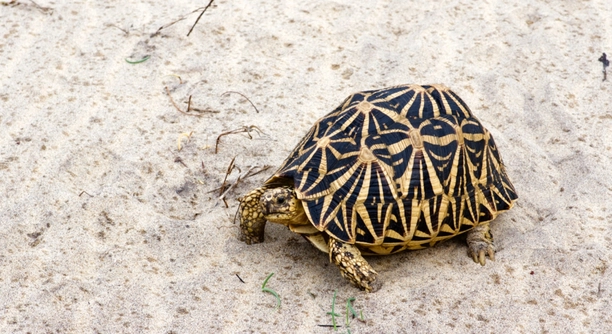
Raising a baby turtle can be a rewarding experience. However, it’s important to understand their unique needs to ensure they thrive in their new environment. In this article, we will cover essential tips for keeping your baby turtle healthy and happy.
The key to raising a healthy baby turtle involves providing the proper habitat, diet, and care. Ensuring your turtle has a suitable tank, UV lighting, and the right foods are crucial factors for promoting growth and overall well-being.
By following these tips, you’ll be well on your way to raising a thriving baby turtle. The right approach will help you provide a nurturing environment where your little reptile can grow and flourish.
Choosing the Right Habitat
A proper habitat is essential for a baby turtle’s health. Your turtle needs a spacious tank that can accommodate its growth. Choose a tank that is large enough to allow the turtle to move around freely and swim comfortably. A good size would be at least 20 gallons, depending on the type of turtle. It’s important to ensure the tank is filled with clean water, as turtles can become ill in dirty environments. The water should be filtered, and the temperature should be regulated between 75-85°F to mimic their natural habitat.
A basking area is also necessary for your baby turtle. This spot allows them to dry off and soak up the warmth they need. Use a heat lamp to maintain the right temperature. Make sure the basking area is easy to climb, so the turtle can access it easily.
Maintaining the water quality is another important aspect. You’ll need a filtration system that helps keep the water clean and free from bacteria. Regular water changes and monitoring of the tank’s pH level will ensure a healthy environment for your turtle. A thermometer and water testing kit can help with consistent monitoring. Keeping these conditions in check helps your baby turtle feel safe and secure in its new home.
Providing a Balanced Diet
A baby turtle’s diet should include a mix of protein and vegetation. You can feed them commercial turtle pellets, insects like crickets, or small fish. Ensure you provide fresh vegetables such as kale, collard greens, and dandelion leaves. This will support proper growth and keep them strong.
Baby turtles need a varied diet for the right nutrients. Without proper food, their shells may not grow correctly, and they could become sick. Avoid feeding them foods that are too high in fat or low in nutritional value. Stick to what’s best for them. It’s also essential to provide them with calcium to help them build strong bones and shells. You can do this by offering calcium supplements or feeding them foods high in calcium, like cuttlefish bone or calcium-enriched pellets. If your turtle is picky, try offering a mix of food types until you find what they like best.
Feeding your baby turtle at regular intervals ensures they are getting enough nutrition. When feeding them live prey, keep in mind that overfeeding can lead to obesity. Stick to a consistent feeding schedule and avoid leaving food in the tank for too long to prevent it from spoiling. Proper nutrition is key to keeping your turtle healthy and active, so don’t rush through their feeding times.
Proper Lighting
UVB lighting is vital for baby turtles. It helps them synthesize vitamin D3, which is necessary for calcium absorption. Without proper lighting, your turtle could develop metabolic bone disease. A UVB light should be kept on for about 10-12 hours a day to mimic natural sunlight.
Position the UVB light above the basking area to ensure your turtle receives the necessary exposure. Choose a bulb specifically designed for reptiles to get the correct wavelength. Make sure to replace the bulb every six months, even if it still appears to be working. Over time, UVB output decreases, and your turtle will not receive the benefits it needs.
Along with UVB lighting, provide a heat source to ensure your turtle has a warm area to bask. Maintain the basking area temperature between 85-90°F. Use a reliable thermometer to monitor temperatures regularly. Keep the light close enough to create a warm spot for the turtle, but not so close it could cause harm.
Tank Maintenance
Keeping the tank clean is crucial for your turtle’s health. Regular water changes help maintain good water quality, preventing harmful bacteria from building up. Change 25-50% of the water every week to keep the environment safe.
A filter is essential for keeping the water clean, but it shouldn’t be the only method. Even with a good filter, some debris will settle at the bottom, so it’s important to clean the tank regularly. Scrub the tank walls to remove algae and check for any waste that might have built up. If you notice any strong smells or discoloration in the water, it’s time for a thorough cleaning. Regular cleaning also prevents the buildup of harmful substances like ammonia.
Use a sponge or aquarium-safe cleaning tool to remove any debris and algae. Clean the filter every month to ensure it works efficiently. Don’t forget to check the water temperature and pH regularly. Keeping a clean tank is a simple but necessary part of keeping your baby turtle healthy.
Handling Your Baby Turtle
Handling your baby turtle should be done gently and sparingly. Turtles are delicate creatures and can become stressed from excessive handling. Keep contact to a minimum, especially during their early stages of adjustment to their new home. Always handle them with clean, dry hands.
When you do handle your turtle, support its body properly. Place one hand under the turtle’s body and the other under its shell for stability. Avoid holding them by their limbs or tail, as it can cause injury. Never drop them, as they can easily get hurt from falls.
Allow your turtle to roam and explore its tank without interference. This helps them become accustomed to their environment, reducing stress. Over time, your turtle may get more comfortable with being handled, but always be mindful of their well-being.
Health Monitoring
Regularly check for signs of illness in your baby turtle. Look for changes in appetite, behavior, or the appearance of their shell and skin. Any unusual symptoms should be addressed immediately. Turtles can develop infections, respiratory issues, or shell problems if not cared for properly.
Monitor your turtle’s shell closely for signs of softness, discoloration, or cracks. A healthy turtle should have a firm, smooth shell. Keep an eye on their eyes as well—any cloudiness, swelling, or discharge could indicate an infection. If your turtle’s behavior changes significantly, it may be a sign that something’s wrong.
Make sure to keep their tank clean, maintain proper lighting, and provide the right diet to avoid illness. Early detection of any health issues allows for prompt treatment. Taking these steps will help prevent potential problems and ensure your turtle stays healthy for years.
Socializing with Other Turtles
If you decide to keep multiple turtles, be cautious. Baby turtles can be territorial and might fight if housed together too early. When introducing turtles to each other, make sure the tank is large enough to provide space for each one. This can help reduce stress and fighting.
Ensure that there is enough room for each turtle to have its own basking area and swimming space. Overcrowding can lead to aggression, stress, and potential injury. It’s important to monitor the turtles’ interactions closely during the introduction phase. Once they’re comfortable with each other, you’ll have a better idea of how they interact in the long term.
FAQ
How do I know if my baby turtle is healthy?
A healthy baby turtle will have clear, bright eyes and a firm, smooth shell. It should be active, eating regularly, and not showing any signs of swelling, cloudiness, or sores on its skin. If your turtle is lethargic, has difficulty swimming, or refuses food, it may be a sign of illness. Regularly monitoring your turtle’s behavior and shell is the best way to ensure its health. If you notice any abnormal signs, seek advice from a veterinarian who specializes in reptiles.
What type of water should I use for my turtle’s tank?
Use clean, dechlorinated water in your turtle’s tank. Tap water contains chlorine, which can harm your turtle. You can purchase water conditioners that neutralize chlorine and chloramine. Always test the water for the correct pH level, which should typically be between 6.5 and 7.5 for most baby turtles. Also, ensure that the water temperature remains between 75°F to 85°F, and use a heater and filter to maintain these conditions.
Can I feed my baby turtle only pellets?
While pellets provide essential nutrients, they should not be the only food your baby turtle eats. A varied diet is important for their overall health. Along with pellets, offer them live food like small fish, crickets, and worms. Also, include leafy greens such as kale, dandelion leaves, and collard greens. A mix of protein and vegetables ensures your turtle receives all the nutrients needed to grow strong and healthy. Avoid overfeeding and keep a consistent feeding schedule.
How often should I feed my baby turtle?
Baby turtles are more active and need to eat more frequently than adults. They should be fed once or twice a day. Ensure that the food is small enough for them to eat easily. Be mindful of portion size and remove any uneaten food after about 30 minutes to prevent water contamination. If you’re feeding live food, make sure it is appropriately sized and that your turtle is getting a balanced variety of protein and plant-based foods.
How do I maintain the correct temperature in my turtle’s tank?
To maintain the proper temperature in your turtle’s tank, use a water heater that keeps the water between 75°F to 85°F. Use a basking lamp to ensure a warm area in the tank, with temperatures between 85°F to 90°F for the basking spot. It’s essential to have a thermometer to monitor the water and basking temperatures, as turtles require a warm environment to regulate their body heat and stay healthy. Avoid placing the heater and lamp too close to the turtle to prevent overheating.
Can I put my turtle outside for sunlight?
Yes, you can place your turtle outside for natural sunlight, but only if the outdoor environment is safe. Ensure that the temperature is appropriate and that your turtle can’t escape or be harmed by predators. Provide a shaded area so your turtle can cool off if it gets too hot. Never leave your turtle unattended outside, as they are vulnerable to danger. Make sure the area is secure, and always supervise them when outdoors. Sunlight helps them absorb vitamin D3, crucial for calcium absorption.
How often should I clean the turtle tank?
Your turtle’s tank should be cleaned regularly to ensure a healthy environment. Perform partial water changes of 25-50% every week to maintain clean water. Scrub the tank walls to remove algae and debris, and clean the filter once a month to ensure it’s functioning properly. A full tank cleaning should be done every 2-3 months, which includes cleaning the substrate, decorations, and any other tank elements. Always check the water’s pH and temperature during cleaning to make sure the conditions remain stable.
Is it necessary to have a filter in the tank?
Yes, a filter is necessary to maintain clean water in your turtle’s tank. Turtles produce waste, which can quickly lead to poor water quality. A good filter helps remove waste and keeps the water clean and clear. It also helps prevent the growth of harmful bacteria, which could lead to health problems. However, a filter alone isn’t enough. You still need to do regular water changes and check the water quality to ensure it stays safe for your turtle.
Can I keep different species of turtles together?
It’s generally not recommended to house different species of turtles together. Different species may have different care needs, which could cause stress or harm to the turtles. They may also fight for space, food, and basking areas, especially if they are different sizes. If you must keep more than one turtle, ensure the tank is large enough to give each turtle space to establish its territory. You should also keep a close eye on their interactions to ensure there are no signs of aggression or stress.
How do I prevent my turtle from getting sick?
To prevent your turtle from getting sick, it’s important to maintain a clean and properly regulated environment. Keep the tank clean with regular water changes, filter maintenance, and temperature control. Feed your turtle a balanced diet, and provide proper lighting for vitamin D3 synthesis. Avoid overcrowding the tank and make sure your turtle has enough space to swim and bask. Also, monitor your turtle regularly for signs of illness, and be proactive if any symptoms appear. Regular health check-ups with a reptile vet are also beneficial.
Why is my turtle not eating?
If your baby turtle is not eating, there may be several reasons. It could be stressed due to changes in its environment, such as temperature fluctuations or water quality issues. Turtles can also refuse food if they’re sick or if they are being overfed. Make sure the tank temperature is within the proper range and that the water is clean. If the problem persists, consult a veterinarian to rule out any health issues. Offering a variety of food types can also help if your turtle is picky.
How long do baby turtles live?
The lifespan of a baby turtle depends on the species and the care they receive. In general, if given the proper habitat, diet, and medical attention, most pet turtles can live for decades. Some species of turtles, like the red-eared slider, can live 20-30 years or longer in captivity. However, poor care can significantly shorten their lifespan. It’s important to commit to providing them with everything they need for a long, healthy life.
Can my turtle get too much sunlight?
Yes, your turtle can get too much sunlight, which can lead to overheating and dehydration. If your turtle is basking outside, ensure it has access to shaded areas so it can cool down when needed. A well-regulated tank with controlled lighting is a safer alternative to ensure they get the proper amount of UV exposure without risking overexposure. Always supervise outdoor time to avoid these risks.
Final Thoughts
Caring for a baby turtle involves attention to detail, but it can be very rewarding. By providing the right environment, balanced diet, and consistent care, your turtle can grow healthy and thrive. A clean tank, the right lighting, and proper temperature control are the basics that every turtle needs. These factors support your turtle’s overall health and help prevent common issues. Regular monitoring and a little patience will go a long way in ensuring your turtle feels comfortable in its new home.
While it’s easy to overlook small details, it’s important to stay consistent with the care you provide. Even small changes, like adjusting water temperature or cleaning the tank more frequently, can make a difference in your turtle’s well-being. Over time, you’ll learn what works best for your turtle and how to handle any potential health concerns. Keeping your turtle’s habitat stress-free and clean will help prevent illness, and it will make your turtle happier overall.
By following the right steps, you’ll be creating a long-lasting bond with your baby turtle. Whether you’re new to turtle care or have experience, each one has its own personality and unique needs. Providing a proper habitat and good nutrition is key to their development and longevity. In the end, a healthy, well-cared-for turtle can live many years, and the effort you put in will be reflected in its happiness and growth.

Hello,
If you enjoy the content that we create, please consider saying a "Thank You!" by leaving a tip.
Every little bit helps us continue crafting quality advice that supports the health, happiness, and well-being of pets around the world, for pets of all shapes, sizes, and species.
We really appreciate the kindness and support that you show us!