
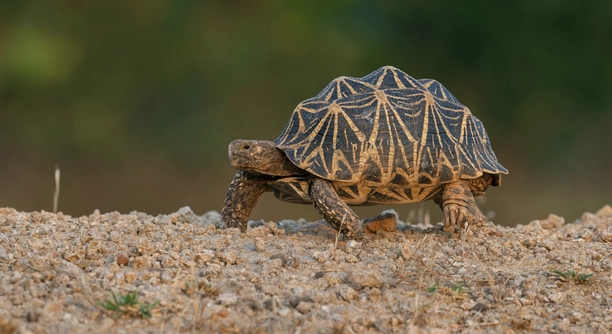
Red eyes in turtles can be a concerning sign for pet owners. Understanding the causes can help ensure their well-being and prevent further health issues. By identifying the problem early, you can take action to treat it properly.
Red eyes in turtles are often caused by factors like infections, irritants, poor water quality, or vitamin deficiencies. These issues can lead to inflammation or swelling, which results in red or bloodshot eyes that need proper care and attention.
Taking the time to learn about these common causes will help you keep your turtle healthy and comfortable. This knowledge is essential for preventing future issues and ensuring their long-term happiness.
Poor Water Quality
Water quality plays a huge role in your turtle’s health. When the water isn’t clean, it can cause bacteria and parasites to thrive, leading to infections that affect your turtle’s eyes. Dirty water can cause irritation and even lead to red, swollen eyes. Keeping the water fresh is essential for their overall well-being. It’s important to clean the tank regularly, changing the water and ensuring proper filtration to prevent harmful buildup. Poor water conditions are often the leading cause of eye problems in turtles.
Even small water quality issues can cause discomfort. Make sure to monitor the temperature, pH, and filter regularly.
A proper filtration system is key to maintaining clean water. Make sure your turtle’s tank has an efficient filter to remove waste and toxins. This will help prevent infections that could lead to eye irritation and redness. Regular water changes should be part of the routine. Consider testing the water every couple of weeks to catch any imbalances early. By keeping the environment clean, you can avoid many common health issues for your turtle.
Vitamin Deficiencies
Lack of essential vitamins can also be a cause of red eyes in turtles.
Turtles need a balanced diet with all the necessary nutrients, especially vitamin A, which is vital for eye health. Without enough vitamin A, a turtle’s eyes can become inflamed, red, or even swollen. You can prevent this by offering a varied diet rich in vegetables, fruits, and protein sources like fish. Including foods like carrots, sweet potatoes, and leafy greens can help provide the vitamins your turtle needs. It’s important to remember that a balanced diet is key to avoiding this issue. In some cases, a vitamin supplement may also be necessary if your turtle’s diet is lacking. Keep an eye on your turtle’s eating habits and provide a well-rounded meal plan to promote healthy eyes and overall health.
Infections
Infections are a common cause of red eyes in turtles. Bacterial or fungal infections can cause swelling and irritation around the eyes.
If you notice your turtle’s eyes are red, it could be a sign of an infection. Infections can occur due to poor water quality, wounds, or contact with other infected animals. Bacteria like Aeromonas or Pseudomonas are common offenders. It’s essential to act quickly, as untreated infections can lead to more serious problems, including loss of vision. Using antibiotics or antifungal treatments prescribed by a vet can help clear up the infection. Keep your turtle in a clean environment to avoid further complications.
Proper care and hygiene can prevent most eye infections. Regularly clean your turtle’s tank, replace the water, and keep an eye out for any wounds or signs of illness. If you suspect an infection, don’t wait too long to seek professional help. Treatment may include eye drops or oral medications, depending on the severity. Keeping the tank sterile and avoiding overcrowding will significantly lower the risk of infections.
Eye Irritants
Your turtle’s eyes can become irritated by chemicals or substances in their environment.
Chlorine or harsh chemicals in tap water are common irritants. Even simple household cleaners can cause damage if they come into contact with your turtle. The irritation may lead to swelling, redness, and discomfort. To prevent this, always use dechlorinated or filtered water in your turtle’s habitat. When cleaning the tank, avoid using harsh chemicals that may leave behind residue. Opt for aquarium-safe cleaning products to keep the environment safe for your turtle.
If your turtle’s eyes are red, check for any possible irritants. Keep track of any changes in their environment, like water changes or new tank decorations. Be mindful of anything that may introduce harmful substances to their habitat. If irritation continues, you might need to isolate your turtle and treat the eyes with a mild saline solution. With a little attention, you can keep their eyes healthy and irritation-free.
Stress
Stress can also contribute to red eyes in turtles. Environmental changes, overhandling, or the presence of other animals can cause anxiety.
When turtles are stressed, their immune system weakens, making them more susceptible to infections and irritations that affect their eyes. Stress can cause red, swollen eyes and other signs of discomfort. Reducing stress by providing a stable, calm environment is essential for your turtle’s health. Avoid constant handling, and make sure the tank setup is suitable for your turtle’s needs.
A stressed turtle might also show other signs like lack of appetite or excessive basking. It’s crucial to create a peaceful space where your turtle feels safe. Keeping them in a comfortable habitat and minimizing disruptions will help reduce stress-related eye problems.
Injuries
Injuries to the eye area can lead to redness and swelling.
Turtles are active animals, and bumps or scratches on their face can cause eye irritation. Even a minor injury can lead to an infection if not properly treated. Make sure to inspect your turtle regularly for any signs of injury, especially after interactions with other animals or rough play.
If you spot any injuries, clean the affected area gently with saline solution and consult a vet if needed. Prevent your turtle from rubbing or scratching the eye area further to avoid worsening the injury. Taking quick action can prevent more serious complications from developing.
FAQ
What should I do if my turtle’s eyes are red?
If your turtle’s eyes are red, the first step is to check the water quality. Poor water can cause irritations or infections. Clean the tank thoroughly, change the water, and make sure the filter is working properly. If the redness persists after cleaning the environment, consult a vet. They may recommend antibiotic or antifungal treatments. It’s important to address the issue quickly to avoid further complications.
How can I prevent red eyes in my turtle?
Prevention is about maintaining a clean environment and providing a balanced diet. Keep the water quality high by regularly changing the water and cleaning the tank. Provide your turtle with a nutritious diet, including foods rich in vitamin A. Make sure they have access to enough sunlight or UVB light to maintain healthy eyes. Regular check-ups with a vet can help detect potential issues early.
Can red eyes be a sign of an infection?
Yes, red eyes in turtles are often a sign of infection, particularly bacterial or fungal infections. If your turtle’s eyes appear swollen, red, or discharge is present, it’s crucial to seek veterinary care. An infection can develop quickly and lead to further health problems if left untreated.
What causes eye irritation in turtles?
Eye irritation in turtles can be caused by several factors. Common causes include poor water quality, irritants like chlorine or harsh chemicals, or physical injuries. It’s essential to maintain clean water and avoid harsh chemicals that could harm your turtle. Even changes in the environment, such as temperature fluctuations, can irritate their eyes.
Is there a specific diet for turtle eye health?
Yes, a balanced diet is crucial for maintaining your turtle’s eye health. Foods high in vitamin A, like carrots, sweet potatoes, and leafy greens, can help keep their eyes in good condition. A diet lacking in vitamin A can lead to eye problems, including redness, swelling, and infections. Make sure to offer a variety of foods to ensure your turtle gets all the necessary nutrients.
Can stress cause red eyes in turtles?
Yes, stress is another factor that can contribute to red eyes. Stress weakens the immune system, making turtles more susceptible to infections and eye irritations. To reduce stress, ensure your turtle’s environment is stable and quiet. Avoid overhandling and provide plenty of space, especially if you have multiple turtles.
How can I tell if my turtle’s eyes are infected?
An infected turtle’s eyes will likely appear red, swollen, or discharge mucus. If the eye is cloudy or has a milky appearance, it’s another sign of infection. You might also notice your turtle rubbing its eyes or showing signs of discomfort. If you observe these symptoms, consult a vet for proper diagnosis and treatment.
What are the signs of a vitamin A deficiency in turtles?
Vitamin A deficiency in turtles can cause eye problems, including redness, swelling, and even the inability to fully close the eyes. Other signs include lethargy, poor appetite, and abnormal skin shedding. Ensure your turtle has a diet rich in vitamin A to prevent deficiencies.
Is it safe to use over-the-counter eye drops for turtles?
It’s not recommended to use over-the-counter eye drops meant for humans. Turtles have different needs and sensitivities, and some human products can cause harm. If your turtle’s eyes are red or infected, consult a vet before applying any treatment. The vet can provide the right medication tailored to your turtle’s needs.
Can poor water temperature affect my turtle’s eyes?
Yes, water temperature can impact your turtle’s overall health, including eye health. Water that is too cold can stress your turtle and make them more vulnerable to infections, while water that is too hot can lead to dehydration or heat stress. Make sure to maintain a proper temperature range for your turtle’s species to ensure they stay healthy and comfortable.
Final Thoughts
Red eyes in turtles can be a sign of various underlying issues, ranging from poor water quality to infections or vitamin deficiencies. It’s essential to monitor your turtle’s behavior and environment closely. If you notice any changes, especially in their eyes, taking quick action is key to preventing further problems. Regular water changes, a proper diet, and routine check-ups are simple steps that can help ensure your turtle stays healthy and happy.
While most causes of red eyes can be managed with appropriate care, it’s important not to ignore persistent symptoms. Infections, injuries, or vitamin deficiencies should be addressed promptly to avoid more serious health issues. The earlier you recognize a problem, the easier it will be to treat. Keeping your turtle’s habitat clean, offering a balanced diet, and avoiding stress are all factors that can help maintain their well-being. Taking the time to properly care for their environment will go a long way in preventing eye problems.
If your turtle’s eyes remain red or show signs of discomfort despite your best efforts, seeking veterinary advice is always a good idea. A vet can provide a precise diagnosis and recommend the right treatment, ensuring that your turtle stays in top shape. Red eyes can sometimes be a sign of something more serious, so it’s always better to be safe and take action sooner rather than later.

Hello,
If you enjoy the content that we create, please consider saying a "Thank You!" by leaving a tip.
Every little bit helps us continue crafting quality advice that supports the health, happiness, and well-being of pets around the world, for pets of all shapes, sizes, and species.
We really appreciate the kindness and support that you show us!