
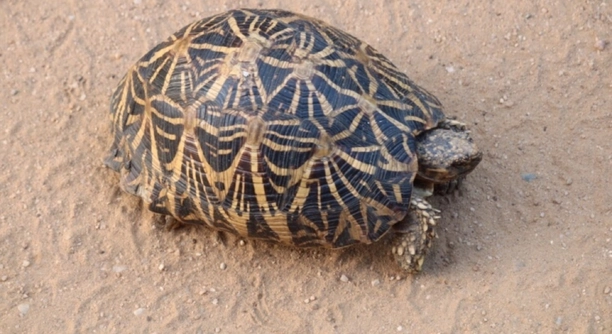
Turtles can sometimes engage in strange behaviors that leave their owners confused. One such behavior is eating their own poop, which can seem puzzling, but it’s more common than you might think.
The most common reason turtles eat their own feces is that they are trying to reabsorb nutrients. In the wild, turtles may do this to avoid wasting any valuable food. It can also occur due to stress, boredom, or poor diet.
Understanding why this happens can help prevent this behavior in the future. Addressing the issue may involve adjusting their environment, diet, or overall care.
Why Do Turtles Eat Their Own Poop?
Turtles eating their own feces may seem strange, but it’s a natural behavior for some. In the wild, they might do this to recover any lost nutrients or minerals from their food. For domesticated turtles, this behavior can happen when they feel stressed, bored, or if their diet lacks the right balance. Stress from a cramped tank, lack of stimulation, or poor water conditions may trigger this action. It’s important to remember that turtles are opportunistic creatures, so they may seek out food in any form available to them, including their waste.
Eating feces can also be linked to inadequate nutrition. If your turtle isn’t getting enough fiber, vitamins, or minerals in its diet, it might turn to its waste for a nutrient boost. This is especially true for young turtles who need more nutrients for growth. In these cases, adjusting their diet to provide proper vitamins, calcium, and fiber can reduce this behavior. It’s essential to offer a well-rounded diet and ensure they have plenty of variety.
Turtles may also eat their poop out of habit or simply because they’re bored. If they don’t have enough to do in their environment, like swimming space or hiding spots, they might resort to this behavior. When you provide enrichment in the tank, such as new toys, plants, or even areas for them to dig, it helps keep their attention away from eating waste. Additionally, ensuring your turtle’s habitat is large enough and that they feel comfortable in their space can reduce stress and boredom.
The Impact of Stress on Turtles
Stress can make your turtle more likely to engage in unusual behaviors, including eating poop. Any changes in the tank environment can cause a turtle to feel anxious or unsafe, leading to unwanted behaviors.
To help manage stress, it’s crucial to keep their living space calm and stable. Make sure the tank is large enough and provides hiding places and plenty of water to swim. You should also maintain a regular cleaning schedule. Dirty water can make your turtle uncomfortable and more likely to exhibit this behavior. Additionally, sudden temperature changes or poor lighting conditions can make them anxious. Keeping everything consistent will help reduce the stress that may trigger the eating of waste.
Regularly monitoring your turtle’s behavior is a good way to spot signs of stress early. If you notice your turtle becoming more inactive, refusing to eat, or showing signs of agitation, you may need to reevaluate their environment. This could involve adjusting the tank temperature, changing the lighting, or adding more hiding spots. Sometimes, introducing a companion or rotating toys in the tank can give your turtle more stimulation. Managing stress helps prevent unwanted behaviors, such as eating their own poop.
The Importance of Proper Diet
Your turtle’s diet plays a significant role in their behavior and overall health. A poorly balanced diet can result in deficiencies, causing them to eat their own waste.
To prevent this, ensure your turtle is getting enough fiber, calcium, and other essential nutrients. Offer a variety of foods such as leafy greens, insects, and high-quality pellets designed for turtles. Providing the right balance of nutrients can make a huge difference.
How to Stop Your Turtle from Eating Its Poop
To stop your turtle from eating its own poop, it’s essential to address its environment and diet. Stress or boredom can trigger this behavior, so changes in these areas can help.
Start by improving your turtle’s living space. Make sure the tank is large enough for them to swim and explore. Include hiding spots and climbing areas to provide enrichment. Adding plants or toys can keep them occupied, reducing the chance of them eating waste out of boredom. Regularly clean the tank to prevent any build-up of waste that might tempt your turtle.
Dietary adjustments can also play a role in curbing this behavior. Make sure your turtle’s diet includes a balance of leafy greens, fruits, and calcium-rich foods. Adding variety will keep them satisfied and reduce the likelihood of them looking to their waste for nutrients. If you suspect nutritional deficiencies, consider consulting a vet for advice on supplements to ensure your turtle is getting everything it needs.
The Role of Tank Cleanliness
A clean tank is crucial for your turtle’s health and well-being. Dirty water can make turtles feel stressed and uncomfortable, which may lead to them eating their own poop.
Maintaining a regular cleaning schedule will help keep your turtle’s environment healthy. This includes cleaning the water and removing any uneaten food or waste. A good filtration system can also help maintain water quality and reduce the risk of bacteria growth. Keeping the tank clean not only prevents your turtle from eating its own waste but also contributes to its overall health and comfort.
Importance of Proper Lighting and Temperature
Proper lighting and temperature are essential for your turtle’s well-being. A balanced environment reduces stress and keeps them from engaging in unwanted behaviors like eating poop.
Turtles need access to both UVB lighting and heat sources to regulate their body temperature. Ensure the tank has a basking area with a heat lamp, and a cooler area for your turtle to retreat to. If the tank temperature fluctuates too much or doesn’t meet their needs, it can cause discomfort and stress, leading to undesirable actions. Keeping the temperature stable promotes a healthier, more relaxed turtle.
Addressing Nutritional Deficiencies
If your turtle lacks essential nutrients, it may eat its own poop in an attempt to reabsorb lost vitamins and minerals. Ensure their diet is balanced.
Provide your turtle with a mix of high-quality pellets, leafy greens, and occasional protein sources like insects. Supplements, such as calcium or multivitamins, may be necessary if their diet lacks these nutrients. Proper nutrition can eliminate the need for them to seek waste for nutrition and improve overall health. Regularly monitoring your turtle’s diet will help prevent deficiencies that might lead to odd behaviors.
The Effect of Tank Size on Behavior
The size of your turtle’s tank directly affects its behavior. Too small of a tank leads to stress and boredom, which can result in them eating their poop.
Turtles need space to swim, explore, and bask. A cramped tank doesn’t provide enough stimulation or room for them to move freely. As a result, your turtle may engage in repetitive or destructive behaviors like eating waste. To help, upgrade to a larger tank and provide different environments within it, such as places to hide and bask. This will keep them entertained and reduce the chances of unwanted behaviors.
FAQ
Why does my turtle eat its poop?
Turtles may eat their own poop for a few reasons. Most commonly, it’s because they are trying to reabsorb lost nutrients or minerals. In the wild, this behavior helps them avoid wasting food. If your turtle has a poor diet, lacks proper nutrition, or doesn’t have enough fiber, it may eat waste to get nutrients. Stress, boredom, or a cramped tank can also trigger this behavior. It’s a natural but not ideal response, and it can usually be prevented with proper care and attention to their environment and diet.
How can I stop my turtle from eating its poop?
To stop your turtle from eating its poop, you need to make changes to its living conditions and diet. Ensure that the tank is large enough to allow the turtle to move freely, and provide enough enrichment like plants, toys, and hiding spots. Regular cleaning of the tank is essential, as waste buildup can tempt your turtle. Adjust the diet to include more fiber, calcium, and other essential nutrients. If needed, consult a vet for nutritional advice or supplements. A stable environment with proper lighting, temperature, and a varied diet will help discourage the behavior.
Is it normal for my turtle to eat poop?
While not ideal, eating poop is a fairly common behavior in turtles. It’s usually linked to nutritional deficiencies, stress, or boredom. In some cases, it’s a natural instinct to reabsorb nutrients that the turtle may have missed in its food. However, consistent eating of poop can indicate that there’s an issue with the turtle’s environment or diet. Addressing these issues can help prevent this behavior from becoming a regular habit.
Should I be concerned if my turtle eats its poop?
If your turtle occasionally eats its poop, it might not be a cause for concern, especially if it’s a young turtle that may still be figuring out its diet. However, if it becomes a frequent habit, it’s a good idea to examine their living conditions and diet. Stress, poor water quality, or lack of proper nutrients can cause this behavior to persist. If the behavior continues despite changes to its environment or diet, a visit to the vet can help rule out any underlying health issues.
What can I do to make my turtle’s tank more interesting?
To keep your turtle from getting bored, create a more stimulating environment. Add plants, rocks, and hides where the turtle can explore and feel secure. Offering different textures and surfaces can also help. You can add floating objects or ramps for basking. Changing the layout occasionally can also help keep things fresh and interesting for your turtle. Enrichment not only prevents boredom but also supports the turtle’s mental and physical health.
How do I know if my turtle has a nutritional deficiency?
Signs of nutritional deficiencies in turtles include lethargy, soft shells, poor growth, and shell deformities. If your turtle seems more lethargic than usual or has trouble swimming or moving, it could indicate a lack of essential nutrients like calcium or vitamin D3. A well-balanced diet with leafy greens, quality pellets, and occasional protein like insects is crucial. If you notice any signs of deficiencies, consult with a vet to get the right supplements or dietary recommendations.
Can stress cause my turtle to eat poop?
Yes, stress is a common reason for turtles to eat their own poop. When turtles feel unsafe or uncomfortable, they may engage in behaviors like this. Factors like tank size, water temperature, lighting, and the presence of other animals can all contribute to stress. If your turtle is frequently stressed, it’s important to evaluate its environment. Providing a larger tank, better hiding spots, and more stimulation can help reduce stress levels and discourage this behavior.
How can I improve my turtle’s diet to prevent eating poop?
To prevent your turtle from eating poop due to a poor diet, make sure it receives a well-rounded, balanced diet. Offer a variety of foods such as leafy greens (like kale and dandelion greens), vegetables, fruits in moderation, and high-quality turtle pellets. You can also offer occasional protein like insects or small fish. If you suspect a calcium deficiency, add calcium supplements or provide cuttlebone. Always research the nutritional needs of your specific turtle species to ensure you’re providing the right diet.
Is there a specific type of food that will stop my turtle from eating poop?
There isn’t a single food that will stop your turtle from eating its poop, but offering a varied diet that meets all of its nutritional needs can help reduce this behavior. Focus on providing a balanced mix of leafy greens, vegetables, high-quality pellets, and occasional protein sources. Adding a calcium supplement or cuttlebone can address deficiencies. A well-rounded diet ensures your turtle gets all the nutrients it needs and reduces the likelihood of it seeking nutrients from its own waste.
Can tank size affect my turtle’s behavior?
Yes, a small tank can contribute to stress, which might lead to unwanted behaviors like eating poop. Turtles need ample space to swim, explore, and bask. If the tank is too small, your turtle may feel cramped and anxious, leading to boredom or stress-induced behaviors. Increasing the size of the tank can help alleviate these issues. A larger tank also provides more opportunities for enrichment and reduces the likelihood of your turtle engaging in repetitive behaviors like eating waste.
How often should I clean my turtle’s tank?
Regular cleaning is crucial to maintain your turtle’s health and prevent it from eating its poop. Clean the tank at least once a week, removing any uneaten food and waste. The water should be filtered to reduce waste buildup, and it’s essential to change a portion of the water regularly. If the tank is particularly small or has a lot of waste, more frequent cleanings may be necessary. Keeping the tank clean also improves water quality and overall comfort for your turtle.
What temperature should my turtle’s tank be?
Turtles require a specific range of temperatures to thrive. The water should be maintained between 75-80°F (24-27°C), while the basking area should be around 85-90°F (29-32°C). If the temperature is too cold or inconsistent, it can stress your turtle, making it more likely to engage in undesirable behaviors. Use a thermometer to monitor the tank temperature regularly and adjust heating elements accordingly. Proper temperature regulation helps to maintain your turtle’s health and reduces the risk of behavioral issues.
Final Thoughts
Turtles eating their own poop can be a puzzling behavior, but it’s usually linked to factors like nutrition, stress, and boredom. It’s important to understand that this is a natural instinct in some cases, especially if the turtle is trying to reabsorb nutrients it might have missed. However, frequent or consistent poop-eating can be a sign that something in your turtle’s environment or diet needs attention. By recognizing these underlying causes, you can take steps to improve their living conditions, diet, and overall well-being, reducing the likelihood of this behavior.
First and foremost, ensuring that your turtle has a proper diet is crucial. A balanced diet that includes leafy greens, high-quality turtle pellets, calcium, and occasional protein sources can help address nutritional deficiencies. When a turtle doesn’t get the right amount of nutrients, it might turn to its waste to try and reabsorb what it’s lacking. If you notice signs of nutritional deficiencies, like soft shells or lethargy, it may be time to adjust its food. A varied diet helps keep your turtle healthy and satisfied, reducing the chance that it will eat its own feces.
Beyond diet, your turtle’s environment plays a significant role in its behavior. A cramped or dirty tank can lead to stress and boredom, both of which can trigger poop-eating. Providing a spacious, clean tank with plenty of hiding spots, basking areas, and enrichment will help keep your turtle engaged and comfortable. Maintaining the right temperature and water quality also reduces stress, as turtles are sensitive to changes in their environment. Regularly monitoring these factors and making adjustments as needed will ensure that your turtle stays healthy and happy, lowering the chances of unwanted behaviors like eating waste.

Hello,
If you enjoy the content that we create, please consider saying a "Thank You!" by leaving a tip.
Every little bit helps us continue crafting quality advice that supports the health, happiness, and well-being of pets around the world, for pets of all shapes, sizes, and species.
We really appreciate the kindness and support that you show us!