
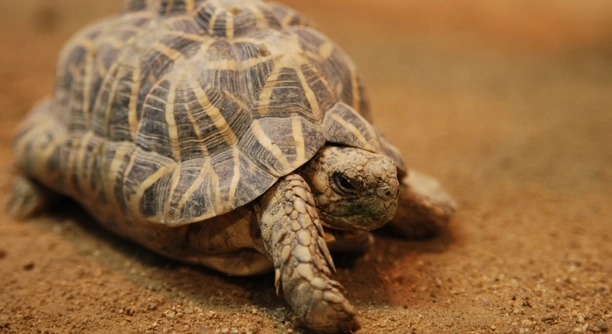
Turtles make wonderful pets, but keeping their water fresh can be a challenge. Over time, their tanks can accumulate debris and bacteria that affect water quality. Thankfully, there are simple ways to maintain clean, healthy water for your turtle.
The most effective way to keep your turtle’s water fresh is by maintaining regular filtration, cleaning, and water changes. These steps reduce the buildup of waste and harmful bacteria that can compromise the water quality and your turtle’s health.
By following the right steps, you can ensure your turtle thrives in a clean and safe environment. These tips will guide you in creating the best habitat for your pet.
Clean the Tank Regularly
One of the simplest ways to keep your turtle’s water fresh is to clean the tank regularly. Turtles tend to make a mess, especially when they eat. This waste can quickly degrade the water quality. Make a habit of removing uneaten food, droppings, and debris daily to keep the environment clean. Also, consider doing a full tank cleaning at least once a month. This means removing everything from the tank and washing the surfaces thoroughly, including rocks, decorations, and any accessories. Avoid using harsh chemicals; instead, use warm water and a soft brush to scrub away build-up.
A clean tank reduces the chances of bacteria growth and promotes a healthier environment for your turtle. By making cleaning a regular part of your routine, your turtle will have a better quality of life.
While cleaning, always check the water for any visible changes. If the water appears cloudy or has an odd smell, it might be time to change the water more often. This helps prevent any harmful conditions that could affect your turtle’s health. Regular cleaning is a small task that can make a big difference.
Use a Proper Filtration System
Choosing the right filter is another key aspect of maintaining fresh water. A filter works by removing waste and debris from the water, ensuring it stays clear for a longer period. When selecting a filter, make sure it’s designed for the size of your turtle’s tank. A filter that is too small may not be effective, while one that is too large could disturb your turtle’s habitat.
Filters should be checked regularly to ensure they are functioning properly. Clean or replace the filter media as needed to keep it working at peak efficiency. In some cases, you may need to add a secondary filter for extra filtration, especially in larger tanks.
An efficient filtration system helps keep the water clean for your turtle, reducing the need for frequent water changes. With the right setup, you’ll notice that the water stays clear longer, providing a healthier environment for your pet. Always remember that a good filter is an investment in your turtle’s well-being.
Perform Regular Water Changes
Changing the water in your turtle’s tank is crucial to maintaining its cleanliness. Over time, waste and chemicals build up, making the water unhealthy. A good rule of thumb is to change 20-30% of the water every week. This helps maintain a healthy balance in the tank.
Water changes are essential to prevent toxins from accumulating. When changing the water, use a water conditioner to remove chlorine and chloramine, which can harm your turtle. Make sure the water temperature is similar to the original water to avoid stressing your turtle. A consistent schedule for water changes ensures that the environment stays stable and healthy.
During water changes, it’s also important to clean the decorations and substrate, as they can trap waste. Using a siphon or gravel vacuum can make it easier to remove waste from the bottom of the tank. This will keep the water cleaner and provide your turtle with a better living space.
Monitor the Temperature
Turtles thrive in stable water temperatures. Too hot or too cold water can stress them out, weakening their immune system. Keep the water temperature in the ideal range for your turtle species. Use a reliable thermometer to monitor it regularly.
Maintaining the right water temperature is crucial for your turtle’s overall health. If the water is too cold, it can slow down their metabolism, while water that’s too warm can cause bacterial growth. A stable temperature encourages your turtle to remain active and healthy.
Invest in a good aquarium heater if necessary, but make sure it’s adjustable. Regularly check the water to avoid any sudden temperature fluctuations. A consistent environment is key to a happy, healthy turtle. Keep an eye on temperature changes, especially during seasonal shifts, as they can impact the water.
Avoid Overfeeding
Overfeeding your turtle can lead to excess waste in the tank. This waste quickly contaminates the water and makes it harder to keep clean. Only offer as much food as your turtle can eat within 10-15 minutes. Remove any leftover food after feeding.
By managing portion sizes, you not only prevent water pollution but also promote healthier eating habits for your turtle. It’s important to monitor feeding times and adjust according to your turtle’s size and age. Overfeeding can lead to other health issues, so stick to a consistent feeding routine.
Consider Live Plants
Live plants can improve the water quality in your turtle’s tank. They help absorb excess nutrients and provide hiding spots for your turtle. Choose plants that can thrive in aquarium conditions and are safe for your turtle to interact with.
Plants also give your turtle a more natural habitat, encouraging exercise and exploration. They can help maintain a healthy balance in the tank, acting as a natural filter for waste. However, some turtles may try to eat plants, so ensure the ones you choose are not harmful.
Keep Tank Size in Mind
A larger tank allows for better water quality control. When your turtle has enough space to swim and move around, the water stays cleaner for longer. A cramped environment causes waste to build up quickly, which can lead to water contamination.
Having a bigger tank means that the water volume can handle more waste, giving the filter and filtration system more time to process debris. It also prevents stress for your turtle, allowing them to behave more naturally. Always choose a tank that’s large enough for your turtle’s size and growth.
FAQ
How often should I change my turtle’s water?
It’s recommended to change about 20-30% of your turtle’s water every week. This helps remove toxins and waste buildup. If you notice the water becoming cloudy or dirty before the week is up, consider changing it more frequently. Smaller tanks typically require more frequent water changes, while larger tanks can go longer between changes. Regular water changes are essential to maintaining water quality and keeping your turtle healthy.
Can I use tap water for my turtle’s tank?
Yes, you can use tap water, but it must be treated first. Tap water contains chlorine and chloramine, which are harmful to turtles. Use a water conditioner specifically designed for aquariums to remove these chemicals before adding it to your turtle’s tank. Always check the water’s temperature as well, ensuring it matches the temperature of the tank to avoid stress on your turtle.
Is a filter necessary for my turtle’s tank?
Yes, a filter is crucial for maintaining water quality. Turtles produce a lot of waste, and a good filter helps remove debris and harmful bacteria, keeping the water cleaner for longer. Choose a filter that matches the size of your tank and the needs of your turtle. Filters should be cleaned regularly to ensure they continue to work effectively.
How do I know if my turtle’s water is unhealthy?
Signs that the water might be unhealthy include a strong, unpleasant odor, cloudy or murky water, and visible debris. If the water seems off, it’s best to check the water parameters, including temperature, pH level, and ammonia levels. Testing kits can help you monitor these factors. Unhealthy water can lead to stress or illness for your turtle, so addressing issues early is important.
How can I prevent algae growth in the tank?
To prevent algae, avoid overfeeding and ensure the tank gets proper filtration. Algae thrive on excess nutrients, which are often caused by leftover food and waste. Keeping the tank clean and changing the water regularly helps reduce nutrient buildup. Also, limit the amount of direct sunlight the tank gets, as this encourages algae growth.
What kind of plants should I add to my turtle’s tank?
Aquatic plants are a great addition to your turtle’s habitat. Choose plants that are safe for turtles and can survive in aquarium conditions. Popular options include Anubias, Java Fern, and Hornwort. These plants help maintain water quality by absorbing excess nutrients. Some turtles may nibble on plants, so choose sturdy varieties that can handle a little damage.
How can I keep the water temperature stable?
To maintain a stable water temperature, use a reliable aquarium heater. Make sure the heater is adjustable to meet your turtle’s specific needs. Regularly check the water temperature with a thermometer to ensure it remains within the ideal range for your turtle’s species. Keep the heater in a part of the tank that allows for even heat distribution. Avoid placing the heater in areas where it could be easily disturbed or damaged by your turtle.
What’s the best way to clean a turtle tank?
To clean the tank, start by removing your turtle and any decorations. Use warm water and a soft brush to clean the tank walls, rocks, and accessories. Avoid harsh chemicals or soap, as these can harm your turtle. Use a siphon to clean the substrate, removing debris and waste. After cleaning, refill the tank with fresh, treated water and check the temperature before returning your turtle to its home.
Why is my turtle’s water cloudy?
Cloudy water can be caused by a few different factors, such as overfeeding, excessive waste, or poor filtration. When excess food decomposes in the water, it causes cloudiness. Additionally, a weak filter or one that’s not cleaned regularly can’t keep up with the waste. Perform a water change and clean the tank thoroughly. Make sure the filter is functioning properly and remove any uneaten food right after feeding.
Do I need to worry about water pH for my turtle?
Yes, pH is important for your turtle’s health. Most turtles prefer water with a neutral pH (around 7), though some species may prefer slightly more acidic or alkaline conditions. You can test the water’s pH with a testing kit and adjust it using water conditioners if necessary. Sudden changes in pH can stress your turtle, so it’s best to keep the pH stable.
Can I use a UV light to help with water cleanliness?
A UV light can help control harmful bacteria and algae in the water, but it shouldn’t be relied on as your sole method of keeping the water clean. While UV lights are effective at reducing pathogens and algae, regular water changes and filtration are still necessary for maintaining water quality. UV lights are best used in combination with a good filtration system.
How can I reduce the smell in my turtle’s tank?
A strong odor often indicates that the water has too much waste or excess food. To reduce the smell, remove uneaten food immediately after feeding and perform regular water changes. Ensure the filter is working properly and clean it regularly. Adding live plants can also help absorb nutrients that contribute to unpleasant smells.
Should I use gravel or sand in my turtle’s tank?
Both gravel and sand are fine options, but each has its pros and cons. Gravel is easier to clean, as waste doesn’t settle as deeply in the substrate. Sand can be more challenging to clean, but some turtles prefer it because it mimics their natural environment. Make sure any substrate you choose is smooth, as rough textures can harm your turtle’s soft underbelly.
Final Thoughts
Taking care of a turtle involves keeping its water clean and maintaining a stable environment. Regular tank cleaning, water changes, and proper filtration are key to making sure your turtle stays healthy and happy. A little bit of maintenance goes a long way in preventing issues with the water quality and ensuring that your turtle’s habitat remains safe.
It’s also important to monitor factors like water temperature and pH levels. Turtles are sensitive to changes in their environment, and keeping the water at the right temperature and pH will help avoid unnecessary stress. Choosing the right filter and ensuring the tank is large enough for your turtle will help make water management much easier. Remember, turtles don’t need a perfectly spotless tank, but they do need one that’s regularly maintained.
Finally, patience and attention to detail are essential when caring for a turtle. By following these simple steps, you can create a healthy living space for your turtle. Keeping its water fresh will reduce the risk of illnesses and ensure your turtle thrives for years to come. With consistent care, your turtle will not only have clean water but also a happy, comfortable environment to live in.

Hello,
If you enjoy the content that we create, please consider saying a "Thank You!" by leaving a tip.
Every little bit helps us continue crafting quality advice that supports the health, happiness, and well-being of pets around the world, for pets of all shapes, sizes, and species.
We really appreciate the kindness and support that you show us!