
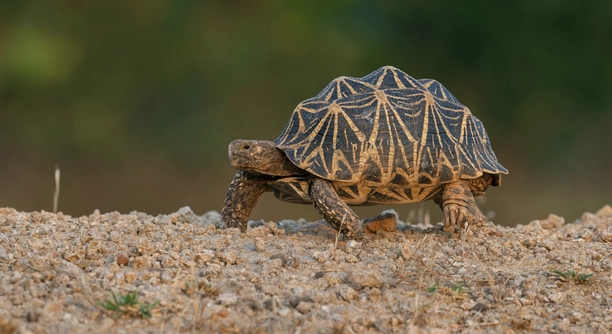
Is your turtle acting unusually slow or spending more time in its shell? Turtles are sensitive to temperature changes, and if they’re too cold, it can affect their health. Knowing the signs can help ensure your pet stays comfortable and happy.
A cold turtle will show clear signs of distress, such as sluggish behavior, hiding more often, or reduced appetite. If you notice these signs, it may be time to check their habitat temperature to ensure they’re not too cold.
Taking simple steps to keep your turtle warm can make a huge difference. Keep reading to learn how to tell if your turtle needs a temperature boost.
Slow Movement and Hiding
When your turtle is too cold, one of the most noticeable signs is slow movement. They may appear lethargic and unwilling to explore their environment, even during the daytime. Turtles are cold-blooded, meaning their body temperature is regulated by the external environment. If the habitat temperature is too low, they simply cannot generate enough energy to move at their usual pace.
Cold temperatures also cause turtles to retreat into their shells more frequently. In extreme cases, they may stay hidden for hours, possibly even days. This behavior is their way of conserving heat and energy. If your turtle is not moving as much and constantly hiding, it is a good indicator that something is wrong with the temperature.
Providing the proper warmth will encourage your turtle to be more active. You can also check the temperature in their tank to ensure it is within the right range for their species. Turtles need a basking area that reaches between 85°F to 95°F during the day to stay healthy.
Loss of Appetite
If your turtle has stopped eating or is eating significantly less, temperature could be the reason. Cold temperatures slow down their metabolism, which can cause them to lose interest in food. This is especially common during colder months or if their environment is not heated properly.
When the temperature in the tank drops, the turtle’s digestive system becomes sluggish, and it may not feel the urge to eat. If your turtle isn’t eating regularly, you might need to raise the temperature to encourage a healthier appetite. Additionally, consider providing fresh food options that are more appealing, like live insects or greens, to encourage them to eat.
The right temperature not only supports their digestion but also improves their overall well-being. Keep a thermometer in their habitat to monitor fluctuations and adjust heating sources as needed to maintain a consistent, warm environment. Proper heat regulation is key to your turtle’s health and comfort.
Basking Less
Turtles need warmth to bask and absorb heat. If they are cold, they’ll avoid basking altogether. You may notice your turtle spending less time on its basking platform or in the sun. Instead, they will prefer staying in cooler areas of their tank.
A turtle that doesn’t bask enough will have trouble maintaining a healthy body temperature. The basking area should be between 85°F and 95°F to give them a chance to warm up properly. If your turtle isn’t basking, check if the heat source in their tank is working correctly. A broken light bulb or heat lamp could be causing the issue.
If the basking area is too cool, your turtle will struggle to regulate its body temperature. Keeping the basking spot warm encourages your turtle to stay active and energized. Remember, a proper basking spot is essential for your turtle’s overall health.
Unusual Shell Behavior
When cold, your turtle may withdraw into its shell more frequently. This is their instinctive way of conserving energy and warmth. If your turtle is not coming out of its shell as much or seems overly protective of it, they might be too cold.
A turtle that stays inside its shell for extended periods may be too stressed or uncomfortable due to low temperatures. Make sure their enclosure has a proper heat source, as the correct temperature helps them stay relaxed and active. A cold turtle may also exhibit a tight or retracted shell when disturbed, which is a clear sign of stress.
Observe your turtle’s shell and behavior carefully. If it stays retracted for too long, increase the tank’s warmth and give your pet a chance to acclimate. This will reduce stress and ensure your turtle is not suffering from cold-induced discomfort.
Inactive Behavior
If your turtle is spending most of its time resting or hiding, it may be cold. Turtles slow down and become inactive when their environment is too chilly. This includes staying in one spot for extended periods or not responding to stimuli like food.
An inactive turtle is often a sign of discomfort or a low temperature. Make sure the tank is within the proper range for their species. A lack of activity could lead to health issues, such as weight loss or muscle atrophy, if not addressed soon.
Breathing Difficulties
Cold temperatures can affect a turtle’s respiratory system. If your turtle is having trouble breathing or seems to be gasping for air, it may be due to a drop in temperature. This can lead to respiratory infections if left untreated.
When the water is too cold, the turtle’s metabolism slows down, making it harder for them to breathe comfortably. Ensure the water temperature is warm enough to support their breathing. You can use a water heater to maintain an appropriate temperature. Cold stress can quickly turn into a more serious issue if ignored.
FAQ
What temperature should my turtle’s habitat be?
The temperature in your turtle’s tank should range between 75°F and 85°F for the water. The basking area should be between 85°F and 95°F. These temperatures are important for your turtle’s digestion, activity, and overall health. A water heater can help maintain the correct water temperature, while a heat lamp or basking light can keep the basking area warm. Ensure your turtle has access to both cool and warm areas to regulate its body temperature.
How can I tell if my turtle is too cold?
A turtle that is too cold will show signs like sluggish movement, hiding more often, and not eating regularly. They may also have difficulty breathing or may seem to be less active. You may notice them spending more time in their shell or avoiding their basking area. If your turtle is lethargic or its behavior changes drastically, it is a sign that it might be too cold.
Can a cold turtle survive without heating?
While turtles can survive for a short period in cooler conditions, it can cause long-term health problems. Cold temperatures affect their metabolism and immune system, making them more prone to illness. Without proper heating, your turtle’s digestive system slows down, and it may stop eating. It’s essential to provide consistent heating to keep your turtle healthy in the long run.
What can I do if my turtle seems too cold?
The first thing you should do is check the temperature in the tank. Use a thermometer to make sure the water is within the proper range (75°F to 85°F). If it’s too cold, adjust the water temperature using a heater. Ensure the basking area is warm enough for your turtle, as they need this spot to regulate their body temperature. If needed, increase the wattage of the heat lamp or add a secondary heat source. Also, make sure your turtle has access to fresh food and is not stressed by the environment.
Is it safe to use a heat lamp for my turtle?
Yes, a heat lamp is an effective way to maintain a warm basking area for your turtle. However, it is essential to ensure that the lamp provides the right amount of heat. Too much heat can be harmful, so keep the lamp at a safe distance and monitor the temperature regularly. A basking lamp should be positioned above a specific spot, so your turtle can regulate its exposure to warmth. Make sure there’s also a cooler area in the tank to allow your turtle to move around.
How can I help my turtle if it’s not eating due to the cold?
If your turtle is not eating, it may be because the temperature is too low. Ensure the water temperature and basking area are within the proper ranges. If your turtle is still not eating, try offering food at different temperatures (room temperature or slightly warmed) to make it more appealing. Also, make sure the food is fresh and nutritious. If the problem persists, consult with a vet to rule out other health concerns.
Can a cold turtle get sick?
Yes, a cold turtle is more likely to develop illnesses such as respiratory infections or digestive problems. When a turtle’s body temperature is too low, its immune system weakens, making it harder for the body to fight off infections. Cold stress can also cause a turtle to become lethargic and stop eating, which can lead to further health complications. It’s important to maintain proper heating to keep your turtle’s immune system strong and to prevent sickness.
What are the signs that my turtle is too hot?
While it’s important to keep your turtle warm, overheating can be just as dangerous as being too cold. Signs that your turtle is too hot include excessive basking, lethargy, or seeking cooler areas in the tank. If your turtle is spending a lot of time in the water instead of basking or showing signs of panting or stress, you may need to lower the temperature. Make sure the basking area is not too hot, and always provide a cooler zone where your turtle can escape the heat if needed.
How often should I check my turtle’s habitat temperature?
You should check your turtle’s habitat temperature at least once a day to ensure it’s within the correct range. Use a reliable thermometer to check both the water and basking area. Consistent monitoring helps you spot any temperature fluctuations and avoid problems with your turtle’s health. In addition, check the thermometer and heating equipment regularly to ensure they are functioning correctly. If your turtle’s environment is maintained properly, it will help keep them active and healthy.
What if I don’t have a proper heat source for my turtle?
If you don’t have a proper heat source, it’s crucial to get one as soon as possible. Turtles need both a water heater for the tank and a basking lamp to maintain the correct temperature. Without these heat sources, your turtle’s health will decline. You can find affordable water heaters and heat lamps at pet stores or online. In the meantime, try moving your turtle to a warmer area of the house to temporarily increase the temperature until you can set up proper heating equipment.
Final Thoughts
Keeping your turtle at the right temperature is essential for its overall health and well-being. Turtles are cold-blooded animals, meaning they rely on external heat sources to regulate their body temperature. If the temperature in their environment is too low, they will become sluggish, stop eating, and may even withdraw into their shells. This can lead to further health problems, such as respiratory infections or digestive issues. By ensuring that their tank has both a proper basking area and warm water, you can help your turtle stay active and healthy.
It’s important to regularly check the temperature in your turtle’s habitat. A reliable thermometer is key to monitoring the water temperature and the basking area. The water should be between 75°F and 85°F, and the basking area should be kept between 85°F and 95°F. If the temperature fluctuates too much, your turtle may become stressed or inactive. Consistency is crucial, so investing in quality heaters and heat lamps will provide a stable environment for your turtle. Checking the temperature daily will also help prevent sudden drops or rises that could negatively affect your turtle’s health.
In the end, creating a comfortable, warm environment for your turtle doesn’t just make them happier, it ensures they thrive in captivity. A warm and consistent habitat boosts their immune system, encourages proper digestion, and helps them stay active. Pay attention to their behavior—sluggishness, loss of appetite, and excessive hiding are all signs of cold stress. If your turtle shows these signs, check their tank and make adjustments as needed. With the right care, your turtle will have a healthy and comfortable life in its home.

Hello,
If you enjoy the content that we create, please consider saying a "Thank You!" by leaving a tip.
Every little bit helps us continue crafting quality advice that supports the health, happiness, and well-being of pets around the world, for pets of all shapes, sizes, and species.
We really appreciate the kindness and support that you show us!